
Why Are People Drinking Mushrooms With Their Coffee?

At first glance, mushroom coffee sounds a little strange.
For many people, the idea of mixing mushrooms with coffee brings up images of earthy soups or cooking ingredients—not a morning cup of dark roast. But despite sounding unusual at first, mushroom coffee has become one of the fastest-growing wellness coffee trends in recent years.
And once people actually understand what it is, the trend starts making a lot more sense.
The mushrooms used in mushroom coffee are not the same mushrooms you’d throw onto a pizza. Instead, many mushroom coffee products use functional mushroom extracts that have long histories in traditional wellness practices.
Today, companies are combining these mushroom extracts with regular coffee and marketing them toward people looking for:
- mental clarity
- focus
- smoother energy
- stress support
- immune support
That combination of coffee plus functional wellness ingredients is a major reason mushroom coffee has exploded in popularity.
Mushroom Coffee Still Contains Real Coffee

One misconception people often have is assuming mushroom coffee completely replaces regular coffee.
In most cases, that’s not true.
Most mushroom coffee products still contain actual coffee beans and caffeine. The difference is that mushroom extracts are blended into the coffee itself.
That means people still get:
- the familiar coffee flavor
- caffeine
- dark roast taste
- morning routine experience
while also adding functional ingredients into the mix.
For many people, it feels less intimidating once they realize it’s still fundamentally coffee—just with additional wellness-focused ingredients added.
Functional Mushrooms Have Become a Major Wellness Trend

Part of the reason mushroom coffee has become so popular is because functional mushrooms themselves have become increasingly mainstream.
Certain mushrooms have long been associated with traditional wellness practices and are now showing up in:
- supplements
- powders
- teas
- wellness drinks
- coffees
Some of the most popular functional mushrooms include:
- lion’s mane
- chaga
- reishi
- cordyceps
Each one is commonly associated with different wellness benefits.
For example:
- lion’s mane is frequently discussed in relation to focus and mental clarity
- chaga is often associated with antioxidant and immune support
- reishi is commonly linked to relaxation and stress support
- cordyceps are often associated with energy and endurance
That growing interest in functional ingredients naturally expanded into coffee products as well.
Why People Are Adding Mushrooms to Coffee
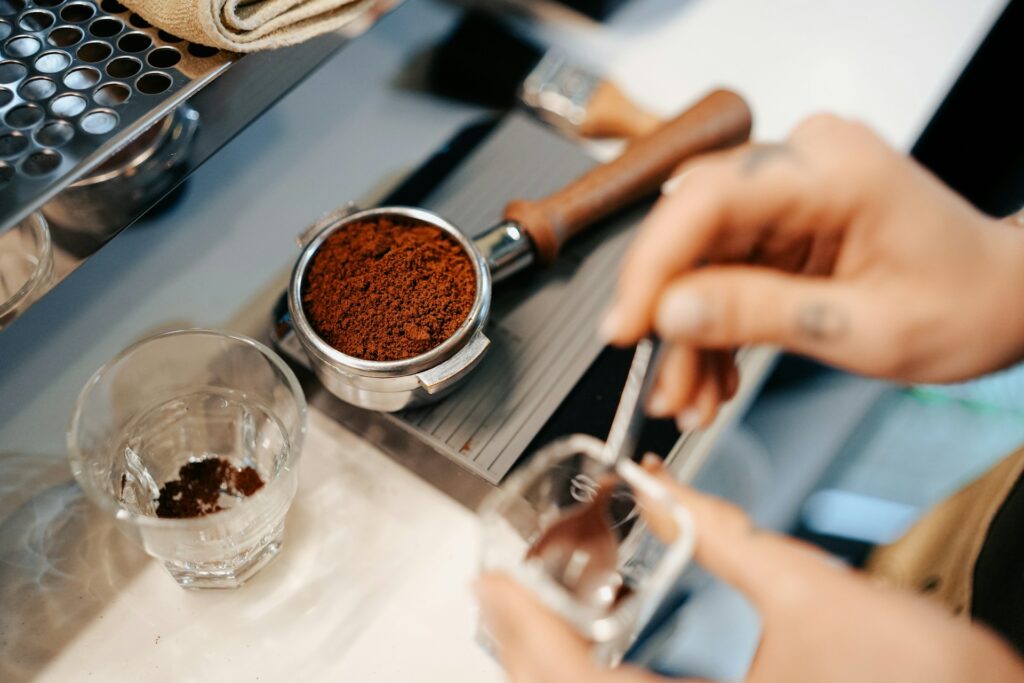
For many people, mushroom coffee represents an attempt to make their morning routine feel more functional and wellness-oriented.
Coffee already plays a huge role in many people’s daily routines. Adding ingredients associated with focus or immune support makes the experience feel more purposeful beyond simply caffeine intake.
Some people also report that mushroom coffee feels:
- smoother
- less jittery
- easier to drink consistently
compared to extremely high-caffeine energy drinks or sugary coffee beverages.
Part of the appeal is psychological as well. Many wellness-focused consumers enjoy the idea of combining familiar routines with ingredients associated with broader wellness support.
The Appeal of Mental Clarity and Focus Support
One of the biggest reasons mushroom coffee has gained attention is the focus angle.
Modern lifestyles involve constant stimulation:
- phones
- notifications
- multitasking
- long work hours
- nonstop information consumption
As a result, many people are actively looking for products that may help support:
- concentration
- focus
- mental clarity
- productivity
That’s one reason lion’s mane mushroom has become especially popular within the wellness world.
While research into functional mushrooms is still developing, lion’s mane has become heavily associated online with cognitive support and focus-oriented wellness routines.
That association has helped drive interest in mushroom coffee products that specifically include lion’s mane extracts.
Companies Like Four Sigmatic Helped Popularize Mushroom Coffee

One company that helped bring mushroom coffee further into the mainstream is Four Sigmatic.
The company offers products like their Organic Focus Mushroom Ground Coffee, which combines dark roast organic coffee with lion’s mane and chaga mushroom extracts.
The concept behind products like this is combining the familiar experience of coffee with ingredients associated with:
- mental clarity
- focus support
- immune health
- wellness-oriented energy support
For many consumers, it feels like a way to upgrade an already existing routine rather than adding an entirely separate supplement habit.
What’s Inside Mushroom Coffee?
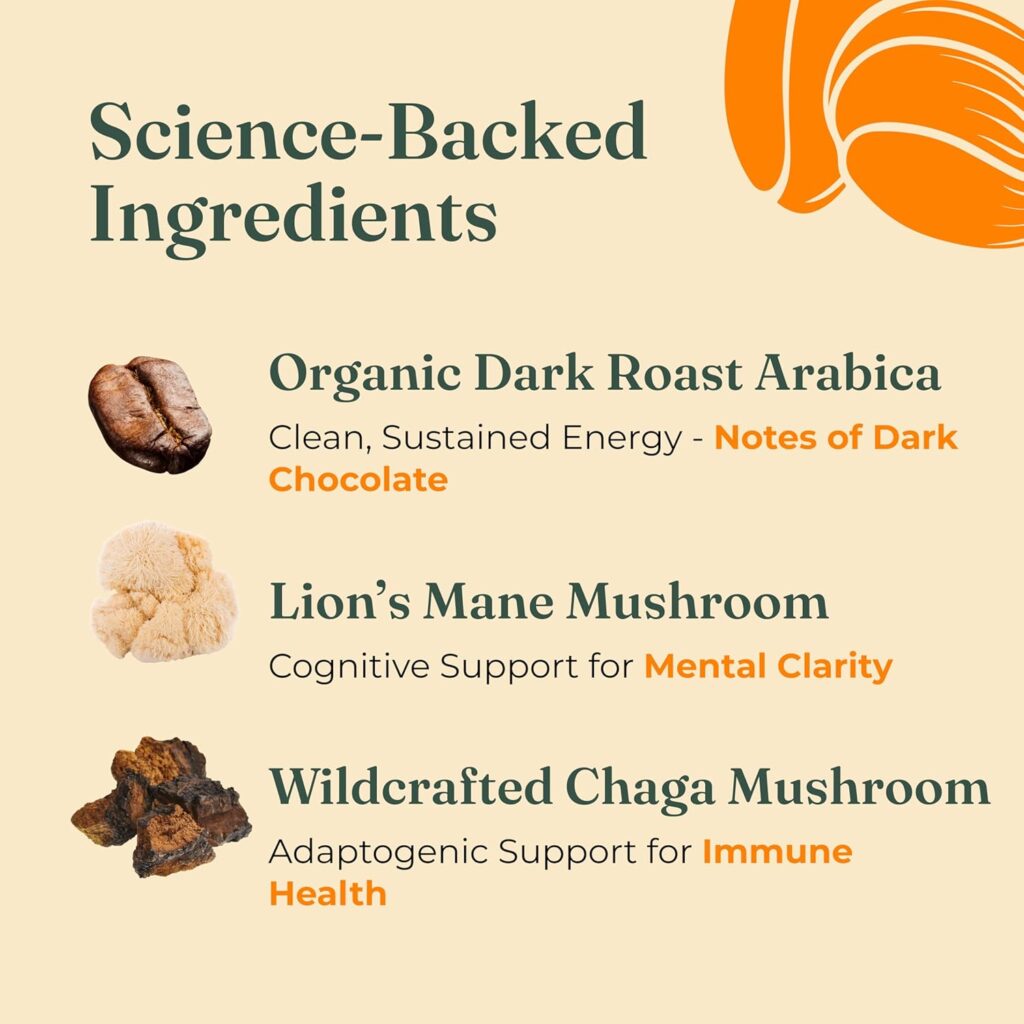
Products like Four Sigmatic Organic Focus Mushroom Coffee still start with actual coffee beans, which means they retain much of the flavor and caffeine people already enjoy.
The added mushroom extracts are typically blended into the ground coffee itself.
In the case of lion’s mane and chaga:
- lion’s mane is commonly associated with mental clarity and focus support
- chaga is frequently discussed in relation to antioxidant and immune support
Many mushroom coffee drinkers are not necessarily expecting dramatic overnight effects. Instead, they often approach it as part of a broader wellness routine focused on:
- consistency
- healthier habits
- more intentional daily routines
The Wellness Industry Loves Functional Foods
Part of the reason mushroom coffee became popular so quickly is because it fits perfectly into the larger functional food movement.
People increasingly want products that feel like they do more than just taste good.
That’s why functional ingredients now appear in:
- sparkling waters
- protein bars
- teas
- supplements
- snacks
- coffee products
Consumers are becoming more interested in products associated with:
- wellness
- productivity
- energy support
- focus
- recovery
- immune support
Mushroom coffee sits directly within that trend.
The Flavor Is Usually Less “Mushroom-Like” Than People Expect

One thing that surprises many first-time mushroom coffee drinkers is that it usually doesn’t taste strongly like mushrooms.
Most products still taste primarily like coffee.
That’s especially true with darker roast blends, where the roasted coffee flavor tends to dominate.
For people who are curious but hesitant, this often becomes the biggest surprise:
it still tastes like normal coffee.
That makes mushroom coffee much more approachable for people who may initially assume it tastes earthy or unusual.
Mushroom Coffee Fits Into Modern Wellness Culture
Part of the reason mushroom coffee resonates with so many people is because it fits modern wellness culture extremely well.
People today increasingly want:
- simple routines
- multifunctional products
- convenient wellness habits
Adding mushroom extracts to coffee simplifies the process because people are already drinking coffee daily anyway.
Instead of adding another supplement bottle or wellness powder separately, mushroom coffee combines multiple habits together into one familiar routine.
That convenience is a huge part of the appeal.
Why the Trend Probably Isn’t Going Away
Some wellness trends disappear quickly.
Mushroom coffee seems different because it combines:
- a deeply established habit (coffee drinking)
with - growing interest in functional wellness products
That combination gives it much stronger staying power than many short-term trends.
Coffee itself isn’t going anywhere, and people’s interest in focus, energy, and wellness support continues growing every year.
As a result, mushroom coffee has evolved from a niche wellness experiment into something much more mainstream.
Final Thoughts
At first, mushroom coffee may sound strange.
But once people understand the idea behind it, the trend starts making more sense.
Products like Four Sigmatic Organic Focus Mushroom Ground Coffee combine traditional coffee with functional mushroom extracts like lion’s mane and chaga, which are commonly associated with mental clarity, focus support, and immune health.
For many people, it’s less about replacing coffee and more about enhancing an existing daily ritual with ingredients tied to wellness and productivity.
And honestly, that’s a huge reason the trend has grown so quickly:
people aren’t just looking for caffeine anymore.
They’re looking for routines that feel more intentional overall.