Simple Ways to Upgrade Your Home Gym
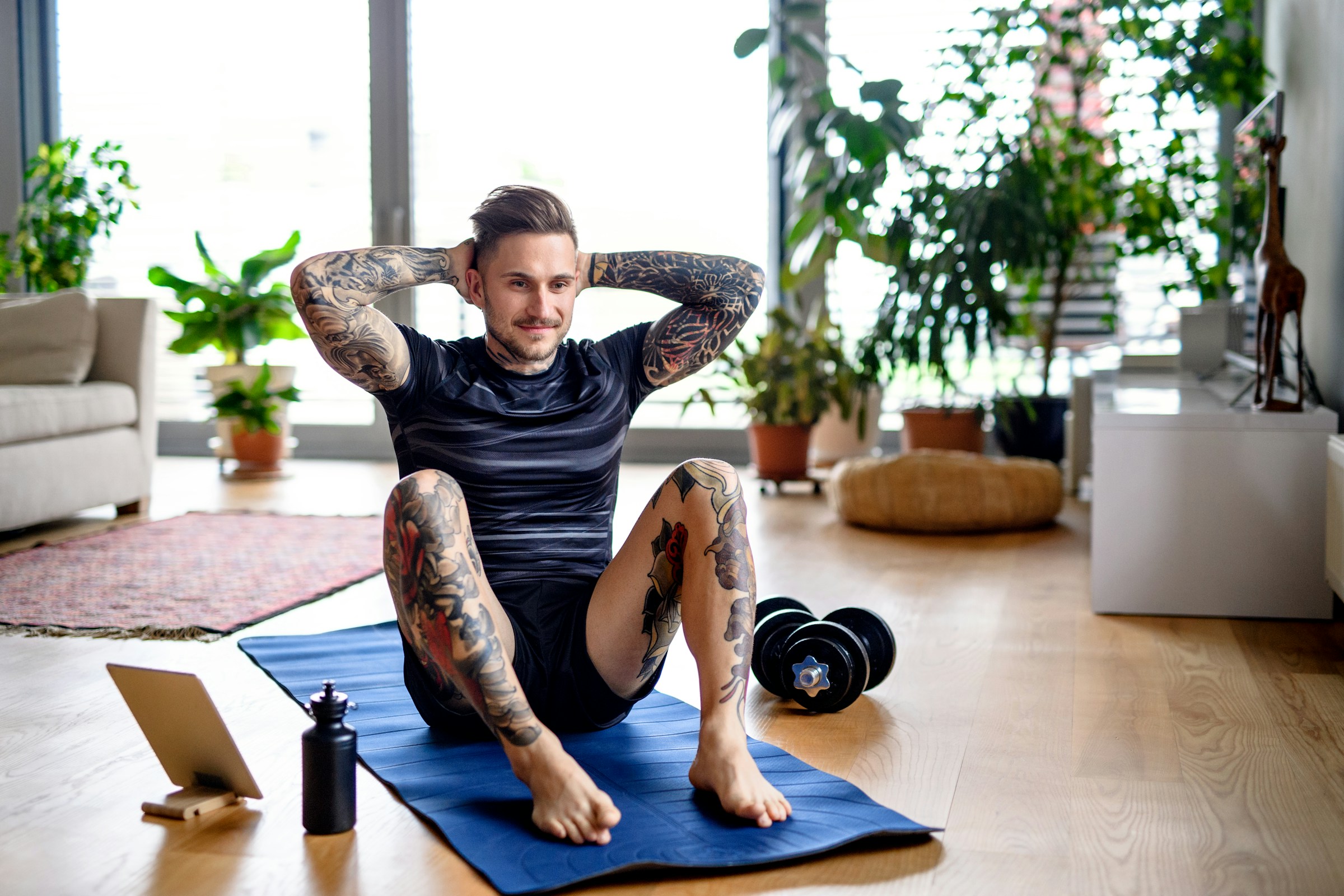
A home gym does not need to be large, expensive, or packed with complicated equipment to be effective. A few thoughtful upgrades can make your workout space more comfortable, organized, and enjoyable to use.
Whether you exercise in a spare bedroom, garage, basement, or a small corner of your living room, these simple ideas can help you create a home gym that better supports your routine.
1. Clear Out Unnecessary Clutter
Before buying anything new, take a look at what is already taking up space in your workout area.
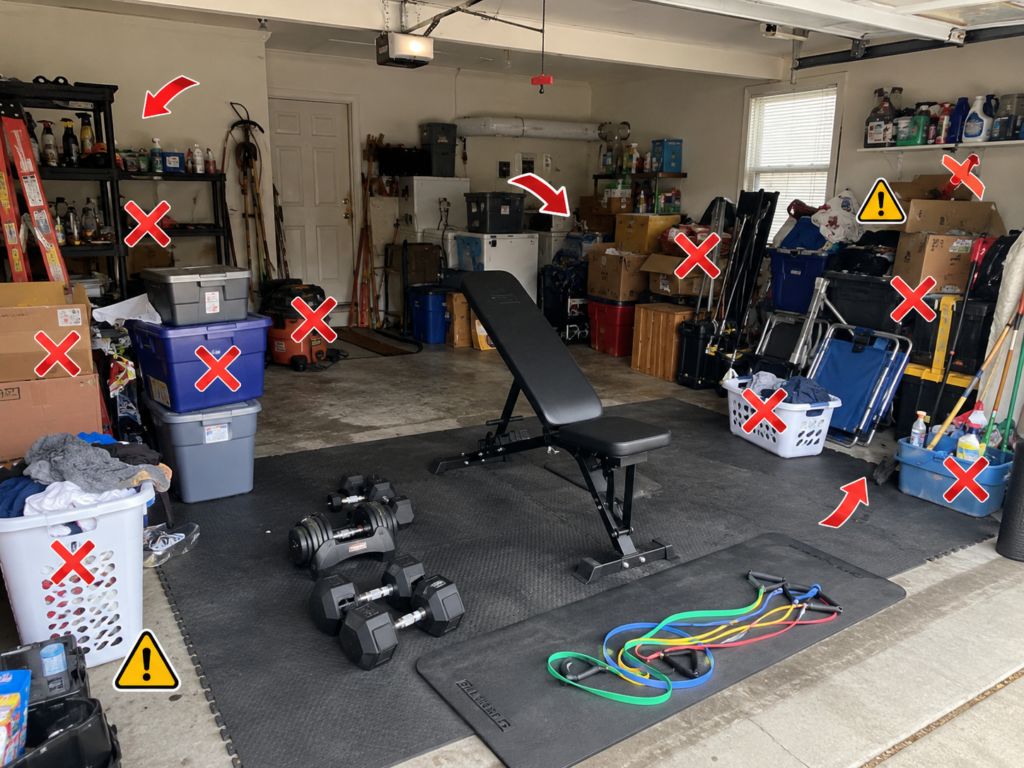
Remove equipment you no longer use, put away unrelated household items, and give yourself enough open floor space to move safely. Even a small room can feel much more functional once the clutter is gone.
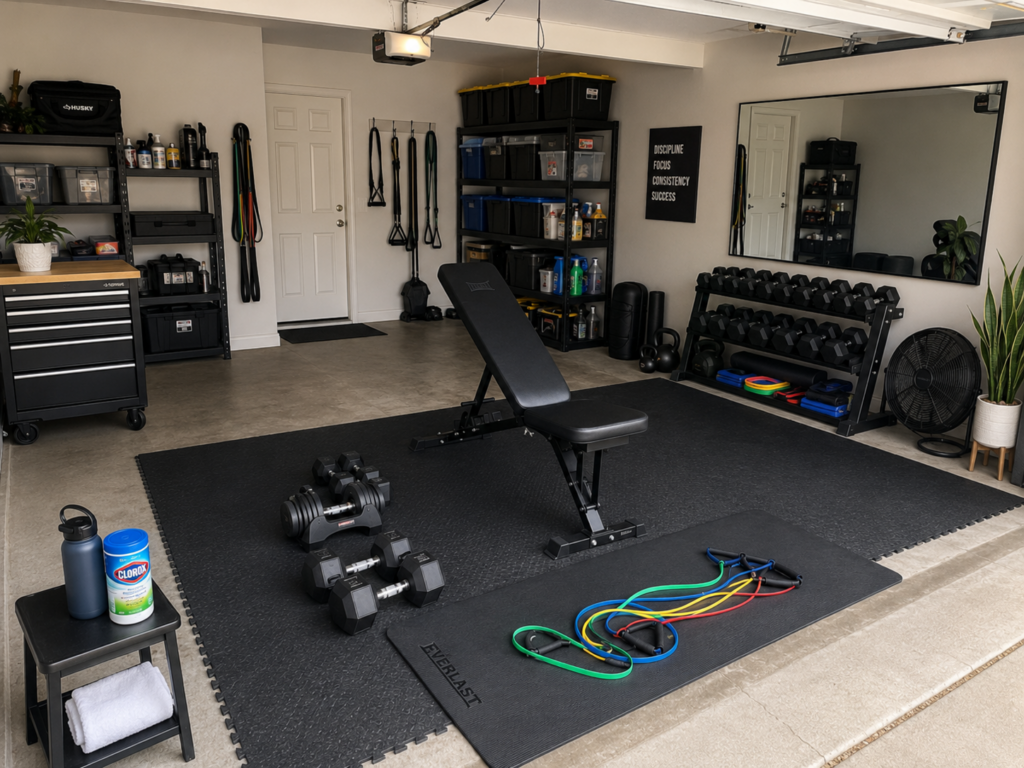
Use baskets, shelves, or storage bins to keep smaller accessories from ending up scattered across the floor.
2. Add Better Flooring
The right flooring can make a noticeable difference in how your home gym feels.
Rubber flooring or interlocking exercise mats can provide cushioning, reduce noise, and help protect the floor underneath. This is especially helpful when using weights or performing exercises that involve jumping or quick movements.
Choose flooring that is easy to clean and does not slide around during workouts.

3. Improve the Lighting
A dark or poorly lit workout area may not feel very motivating.
Whenever possible, position your gym near a window or another source of natural light. For rooms without much sunlight, brighter overhead lighting or a well-placed floor lamp can make the space feel more inviting.
Good lighting also makes it easier to check your form and safely move around your equipment.

4. Organize Your Equipment
You are more likely to use your equipment when it is easy to find and put away.
A simple weight rack, wall-mounted hooks, or a storage shelf can help keep everything organized. Resistance bands can be hung on hooks, exercise mats can be rolled and stored upright, and smaller accessories can be placed in labeled bins.

Keeping the floor clear also gives you more room to exercise.
5. Upgrade the Equipment You Use Most
You do not need to replace everything in your home gym at once.
Start by upgrading the pieces you use most often. This might mean replacing worn-out resistance bands, adding a more supportive exercise mat, or choosing strength-training equipment that better matches your current goals.
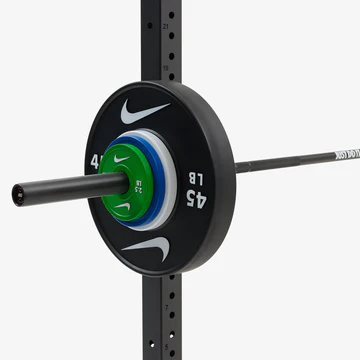
When comparing options, it can be helpful to look at fitness-focused brands such as Nike Strength alongside other home gym equipment companies. The best choice will depend on your space, workout style, experience level, and budget.
Focus on equipment you will realistically use instead of buying something simply because it looks impressive.
6. Add a Full-Length Mirror
A mirror can make your workout space feel larger while also helping you monitor your exercise form.
You do not necessarily need an entire mirrored wall. One securely installed full-length mirror may be enough for checking your posture during squats, lunges, shoulder exercises, and other movements.
Make sure the mirror is placed away from areas where equipment could accidentally hit it.

7. Improve the Airflow
Home gyms can become warm quickly, particularly when they are located in garages or small rooms.
A standing fan, ceiling fan, or open window can help keep air circulating. In humid areas, a dehumidifier may also make the space feel more comfortable.
Better airflow can make longer workouts much more pleasant.

8. Create a Dedicated Workout Station
If you follow workout videos or use a fitness app, create a convenient place for your phone, tablet, or laptop.
A small stand or wall-mounted shelf can keep your screen at a comfortable viewing height. This prevents you from constantly moving your device between exercises or placing it somewhere it could be stepped on.
Keep a charger nearby so your device is ready whenever it is time to work out.

9. Add a Speaker or Headphones
Music, podcasts, and guided workouts can make exercising at home more enjoyable.
A small Bluetooth speaker is an easy addition, but headphones may be a better option when you share the space with other people. Keep your setup simple so you can start your workout without spending several minutes connecting devices.

10. Make Hydration Convenient
Place a small table, shelf, or bottle holder near your workout area.
Having water within reach makes it easier to stay hydrated without leaving the room. You can also keep a clean towel nearby for convenience.
These may seem like small details, but they can help your workouts feel more organized.

11. Add Equipment That Offers Multiple Uses
Multipurpose equipment is especially helpful in smaller home gyms.
Adjustable weights, resistance bands, a sturdy bench, and a stability ball can support many different exercises without taking over the room. Before adding something new, think about how many ways it can be used.
Equipment that works for several muscle groups often provides more value than large machines designed for only one movement.

12. Make the Space More Motivating
Your home gym should be somewhere you enjoy spending time.
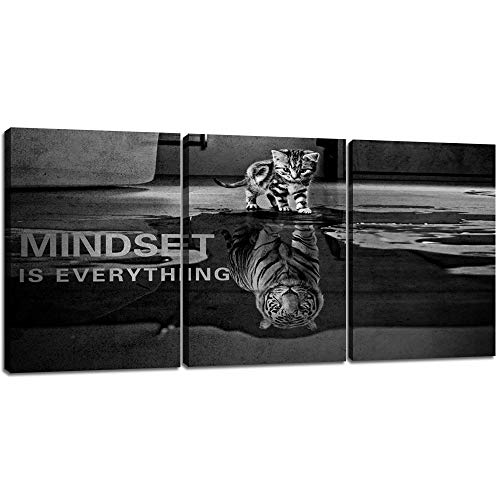
Consider adding framed artwork, a motivational quote, a whiteboard for tracking workouts, or a few personal touches that make the space feel finished. You could also paint one wall or add a rug outside the main exercise area.
The goal is not to create a showroom. It is to create a space that encourages you to show up consistently.
13. Keep Cleaning Supplies Nearby
Workout equipment can collect sweat, dust, and dirt quickly.
Keep equipment-safe cleaning spray and a few reusable cloths nearby so you can wipe things down after each session. Regular cleaning can help protect your equipment and keep the room smelling fresh.
Be sure to follow the manufacturer’s cleaning instructions, particularly for padded surfaces and electronic equipment.

14. Leave Room for Future Changes
Your workout routine may change over time, so avoid filling every available inch of your home gym.
Leaving some open space gives you room to try new exercises, add equipment later, or adjust the layout as your goals change. A flexible setup is usually more practical than a room crowded with equipment you rarely use.
Build a Home Gym That Fits Your Routine
Upgrading your home gym does not have to involve a complete renovation or a large shopping list.
Start with simple improvements such as better organization, improved lighting, comfortable flooring, and equipment that supports the workouts you already enjoy. A clean and functional space can make it easier to stay consistent and get more out of every session.
The best home gym is not necessarily the one with the most equipment. It is the one you are excited to use.