Simple Ways to Support Your Lower Back Throughout the Day
Lower back discomfort is one of the most common physical complaints people experience today. Whether someone works at a desk, spends long hours driving, or performs physically demanding work, the lower back is under constant strain. Over time, poor posture, repetitive movements, and long periods of sitting can place pressure on the spine and surrounding muscles.

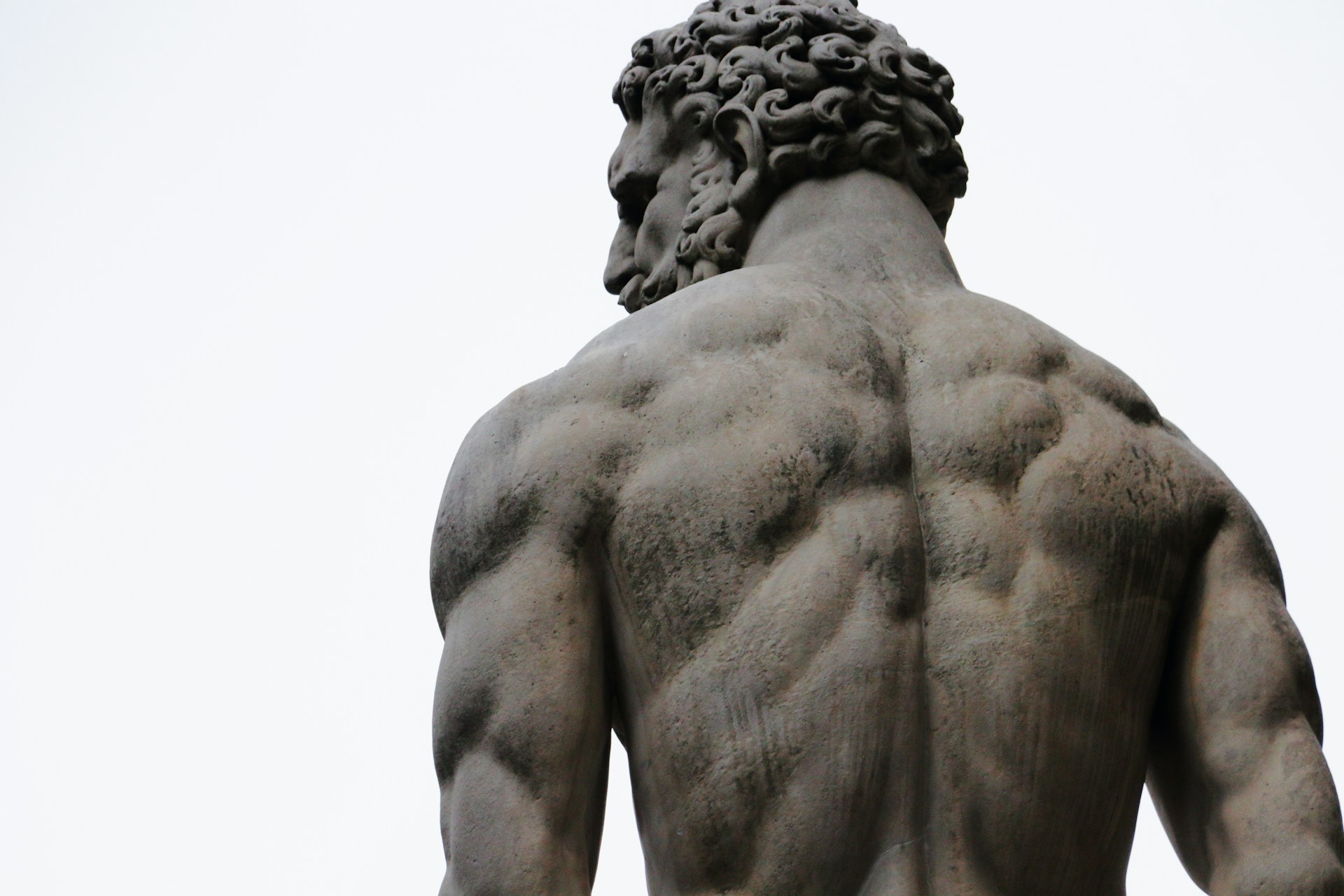
The lower back plays a central role in supporting the entire body. It stabilizes movement, carries body weight, and helps transfer force when lifting, bending, and walking. Because it performs so many important functions, even small habits can have a major impact on how the lower back feels throughout the day.
Fortunately, supporting your lower back does not always require major lifestyle changes. In many cases, simple adjustments to daily routines, posture, and movement can help reduce strain and support long-term comfort.
Maintain Good Sitting Posture
Many people spend several hours each day sitting, often at a desk or in front of a computer. Unfortunately, sitting for long periods with poor posture is one of the most common contributors to lower back discomfort.
When sitting, the goal is to maintain a neutral spine position. This means keeping the natural curve of the lower back rather than slouching forward or leaning too far back.
Your feet should rest flat on the floor, and your knees should remain roughly level with your hips. The back of your chair should support your lower spine while allowing you to sit upright comfortably.
Small adjustments such as bringing your monitor to eye level and keeping your keyboard within easy reach can also reduce the tendency to lean forward.
Maintaining proper sitting posture may feel unfamiliar at first, but it can significantly reduce pressure on the lower spine over time.
Avoid Sitting for Too Long
Even with perfect posture, sitting for extended periods can still place strain on the lower back. The human body is designed to move regularly, and long periods of stillness can lead to stiffness and muscle fatigue.
One of the simplest ways to support your lower back is to stand up and move around periodically throughout the day. A short walk, light stretching, or even a quick posture reset every 30 to 60 minutes can help relieve pressure on the spine.
Setting a timer or reminder can make it easier to remember these movement breaks during busy workdays.
These small breaks not only support back comfort but also improve circulation and overall energy levels.

Strengthen Core Muscles
The muscles surrounding the spine play an important role in stabilizing the lower back. When core muscles are weak, the spine may have to compensate, which can lead to increased strain.
Core muscles include the abdominal muscles, lower back muscles, and deep stabilizing muscles that support the spine.
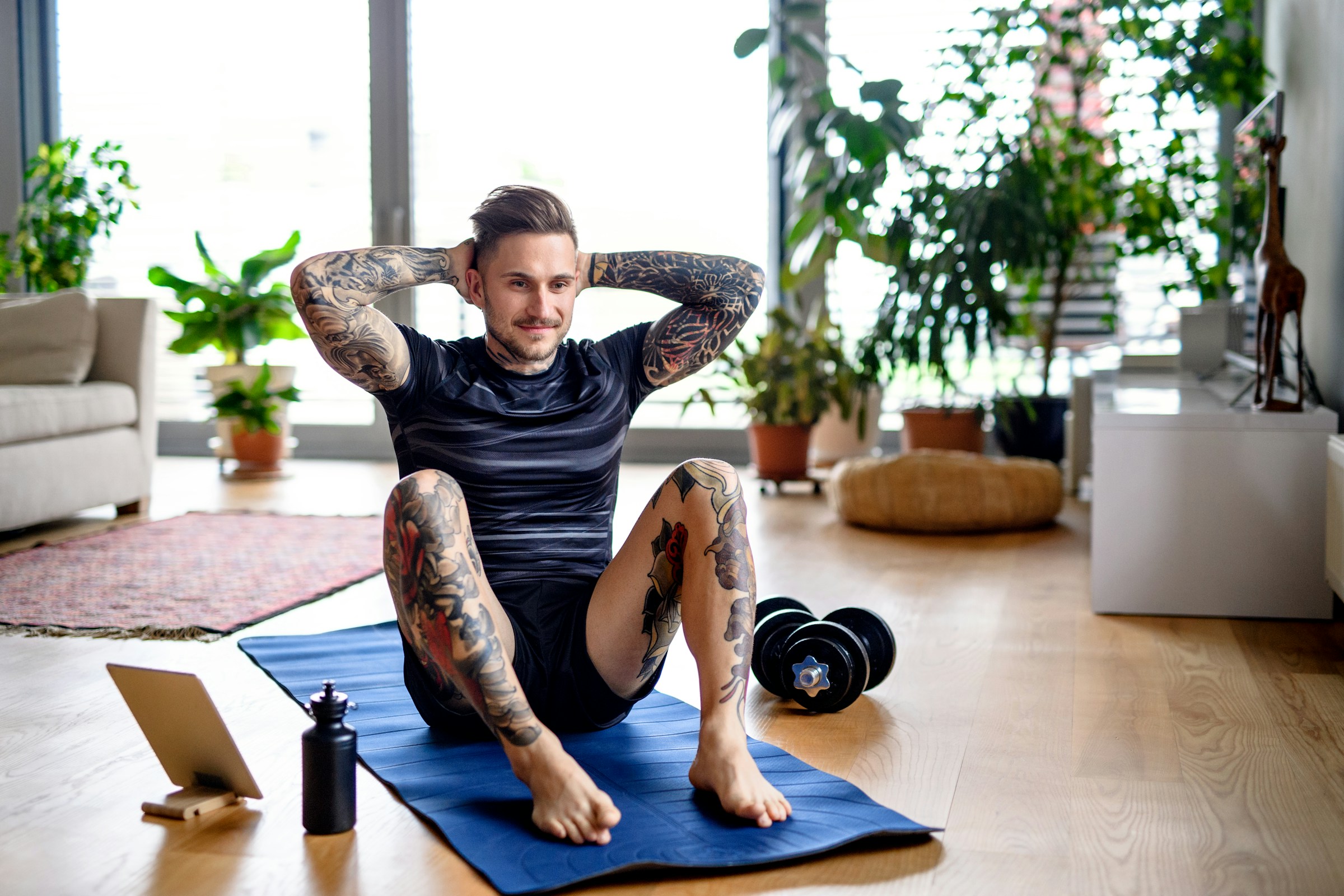
Strengthening these muscles helps create a natural support system for the lower back. Simple exercises such as planks, bridges, and controlled abdominal movements can help improve core strength over time.
Even light strengthening exercises performed a few times per week can contribute to better spinal stability and posture.
Practice Proper Lifting Technique
Improper lifting is another common cause of lower back strain. Whether lifting heavy objects at work or simply picking up groceries or household items, using proper technique is essential.
The safest way to lift objects is by bending the knees rather than the waist. Keep the object close to your body and engage your leg muscles when standing up.
Avoid twisting while lifting, as this movement can place additional stress on the spine.
Taking a moment to position your body correctly before lifting can significantly reduce the risk of lower back strain.

Stretch Tight Muscles
Tight muscles surrounding the hips, hamstrings, and lower back can contribute to discomfort and limited mobility. Stretching these muscle groups helps maintain flexibility and allows the body to move more freely.
Simple stretches such as forward bends, gentle spinal twists, and hip stretches can help relieve tension in the lower body.
Regular stretching helps maintain range of motion and reduces stiffness that may build up during the day.
Many people find that stretching in the morning or after long periods of sitting provides noticeable relief.

Maintain a Healthy Weight
Excess body weight, especially around the midsection, can place additional pressure on the lower back. The spine and surrounding muscles must work harder to support this extra load.
Maintaining a balanced diet and staying physically active helps reduce unnecessary strain on the back.
Even modest improvements in overall fitness can help support spinal health and reduce pressure on the lower back over time.
Improve Sleeping Position
Lower back support does not stop when the day ends. Sleeping posture also plays a role in spinal health.
A mattress that provides adequate support helps maintain the natural alignment of the spine during sleep.
For people who sleep on their backs, placing a pillow under the knees can help reduce pressure on the lower back. Side sleepers may benefit from placing a pillow between the knees to keep the hips aligned.
Small adjustments to sleeping position can improve comfort and help the body recover overnight.
Use Support When Needed
For individuals dealing with persistent lower back discomfort, additional support during daily activities may help reduce strain.
Supportive tools such as ergonomic chairs, lumbar cushions, and lower back support braces can provide extra stability while the body moves and works.
A lumbar support brace for sciatica relief can help support the lower spine during activities that involve lifting, prolonged standing, or repetitive movement. By helping stabilize the lower back and encouraging proper posture, these supports may help reduce discomfort during daily tasks.
One option many people consider for added support is the Sparthos Back Brace for Lower Back Pain. Designed to help provide immediate support for conditions such as sciatica pain, herniated disc support, and scoliosis back support, the brace features a breathable design and an adjustable lumbar support pad that helps stabilize the lower back. The brace is designed for both men and women and offers adjustable compression to provide firm support while remaining comfortable during everyday activities. By helping maintain proper posture and supporting the spine, a back brace for lower back pain relief like this may help individuals stay active and move more comfortably throughout the day.

Stay Physically Active
Movement is essential for maintaining a healthy back. While rest is sometimes necessary when experiencing discomfort, prolonged inactivity can actually weaken muscles and contribute to stiffness.
Low-impact activities such as walking, swimming, and cycling help strengthen muscles while improving circulation.
Regular movement keeps joints flexible and helps maintain muscle balance throughout the body.
Even moderate physical activity performed consistently can support long-term spinal health.

Manage Daily Stress
Stress can also influence physical tension in the body, including the muscles surrounding the lower back. When people feel stressed, they often unconsciously tighten muscles in the shoulders and lower back.
Practices such as deep breathing, yoga, and mindfulness exercises can help reduce muscle tension and promote relaxation.
Taking time to relax and decompress during the day can help prevent stress-related muscle strain.
Listen to Your Body
Perhaps the most important habit for supporting your lower back is simply paying attention to how your body feels. Pain and discomfort often signal that something needs adjustment.
If certain movements or positions consistently cause discomfort, modifying those activities may help prevent further strain.
Making small changes early can prevent minor discomfort from developing into more serious issues.
Building Healthy Habits for Long-Term Back Support
Supporting the lower back does not require complicated routines or expensive equipment. Often, the most effective changes are the simplest ones.
Maintaining good posture, moving regularly, strengthening core muscles, stretching tight areas, and using proper lifting techniques all contribute to a healthier spine.
Over time, these habits create a strong foundation that helps the body move more efficiently and comfortably.
When combined with supportive tools when needed, these everyday practices can make a meaningful difference in how the lower back feels throughout the day.
The lower back works hard to support nearly every movement we make. Taking a few steps each day to protect and support it can help keep you active, comfortable, and moving with confidence for years to come.