Why Athletes Should Pay More Attention to Their Insoles
When athletes think about performance gear, shoes usually get most of the attention. Runners compare cushioning and heel drop. Basketball players look for ankle support and court feel. Soccer, baseball, football, and lacrosse players focus on cleats and traction. Pickleball players look for grip, lateral stability, and comfort during quick direction changes.
But one small piece of gear often gets overlooked: the insole.
The insole is the part of the shoe your foot actually rests on. It affects how your foot feels during movement, how supported your arch feels, how impact is absorbed, and how stable the shoe feels during training or competition. Even a great shoe can feel incomplete if the insole does not match your foot or your sport.
For athletes, better insoles are not just about comfort. They can be part of a smarter approach to training, recovery, and foot support.
Your Feet Take the First Impact
Every athletic movement starts from the ground up. Running, jumping, cutting, sprinting, lifting, pivoting, and landing all begin with the feet. That means your feet are constantly absorbing impact and transferring force through the rest of your body.
When your feet are not properly supported, the discomfort may not stay in one place. It can show up as tired arches, sore heels, achy ankles, tight calves, knee strain, hip discomfort, or lower back fatigue. That does not mean insoles magically fix every issue, but it does mean foot support deserves more attention than many athletes give it.
A supportive insole can help improve the way your shoe feels underfoot. It can add structure, cushioning, and stability in a way that the standard factory insert may not provide.
Factory Insoles Are Often Basic
Most athletic shoes come with removable factory insoles. These inserts may feel soft when you first try the shoe on, but many are thin, flexible, and not designed for serious support. They are often made to fit a wide range of people, not your specific arch, sport, or movement pattern.
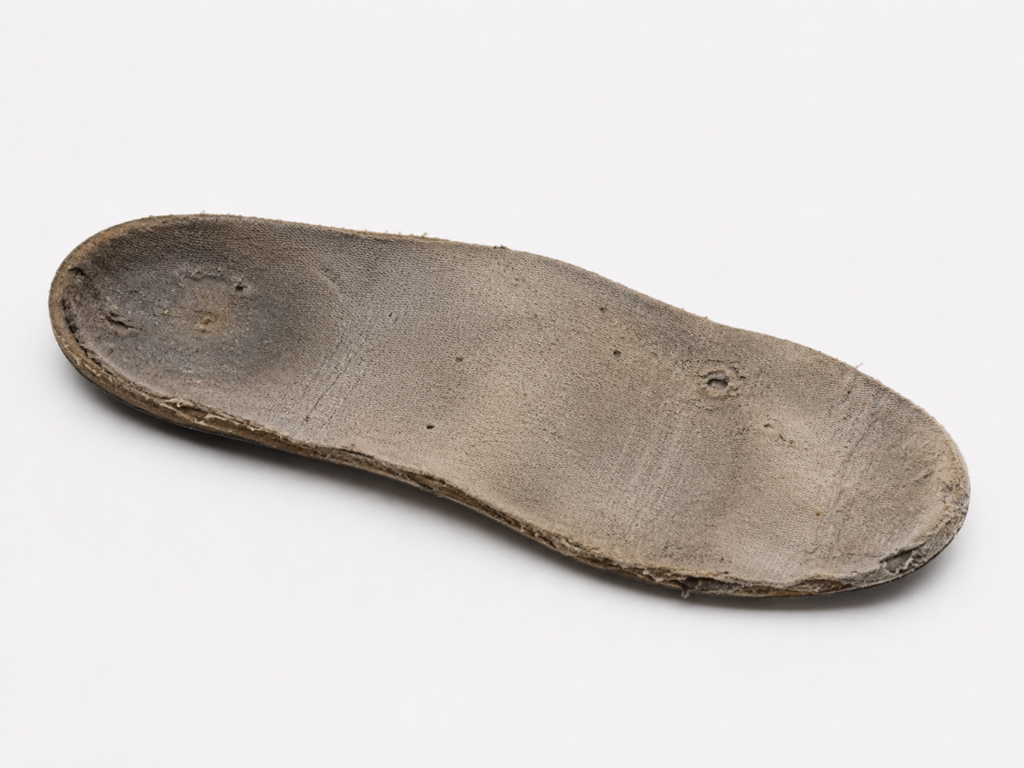
For casual wear, that may be fine. But athletes put their shoes through much more stress. Training sessions, games, long runs, court drills, and repeated impact can quickly reveal whether a shoe has enough support.
A shoe can be expensive and still come with a basic insole. That is why replacing the factory insert can be one of the easiest ways to upgrade the feel of a shoe you already like.
Different Sports Put Different Demands on Your Feet
Not every sport stresses the foot in the same way.
Running is repetitive and forward-moving, with thousands of foot strikes over a single workout. Basketball involves jumping, landing, quick stops, and lateral movement. Cleat sports add traction, uneven ground, sprinting, and sudden cuts. Pickleball includes short bursts, side-to-side movement, quick pivots, and hard court impact.
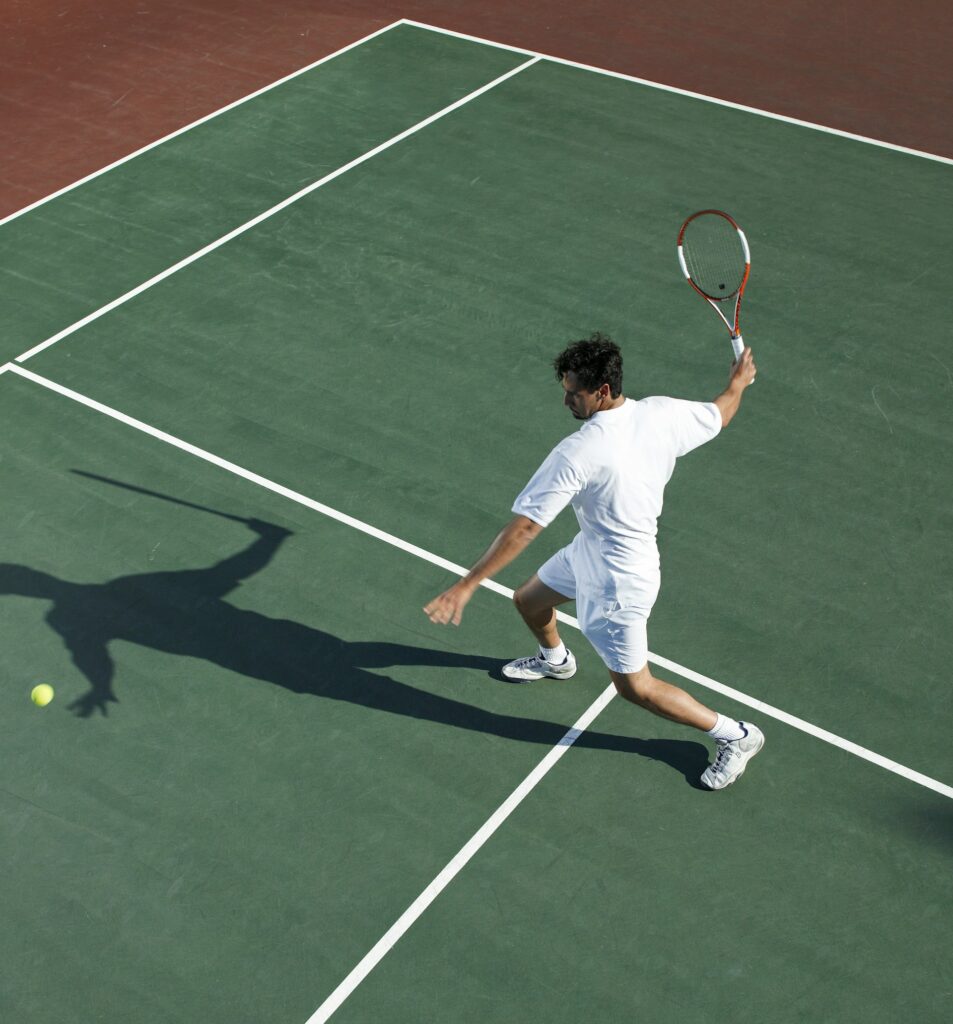
Because of that, athletes should not always think of insoles as one-size-fits-all. The type of support you want for running may not be the same as what you want for court sports or cleats.
A good sport-focused insole should work with the shoe and the activity. It should help the foot feel supported without making the shoe feel crowded, unstable, or disconnected from the ground.
Arch Support Matters More Than Athletes Realize
Arch support is one of the main reasons athletes look into upgraded insoles. Some people have higher arches, some have lower arches, and many are somewhere in the middle. The wrong level of support can make an insole feel uncomfortable or ineffective.
Too much arch support may feel intrusive. Too little may feel like your foot is doing all the work. That is why finding the right arch match matters.
Athletes often focus on the outside of the shoe, but what happens inside the shoe matters too. When your arch feels supported, your foot may feel more stable and less fatigued during long periods of movement.
Cushioning Helps With Repeated Impact
Athletes deal with impact constantly. Running on pavement, jumping on hardwood, sprinting on turf, or playing on hard courts all create stress through the feet and legs.
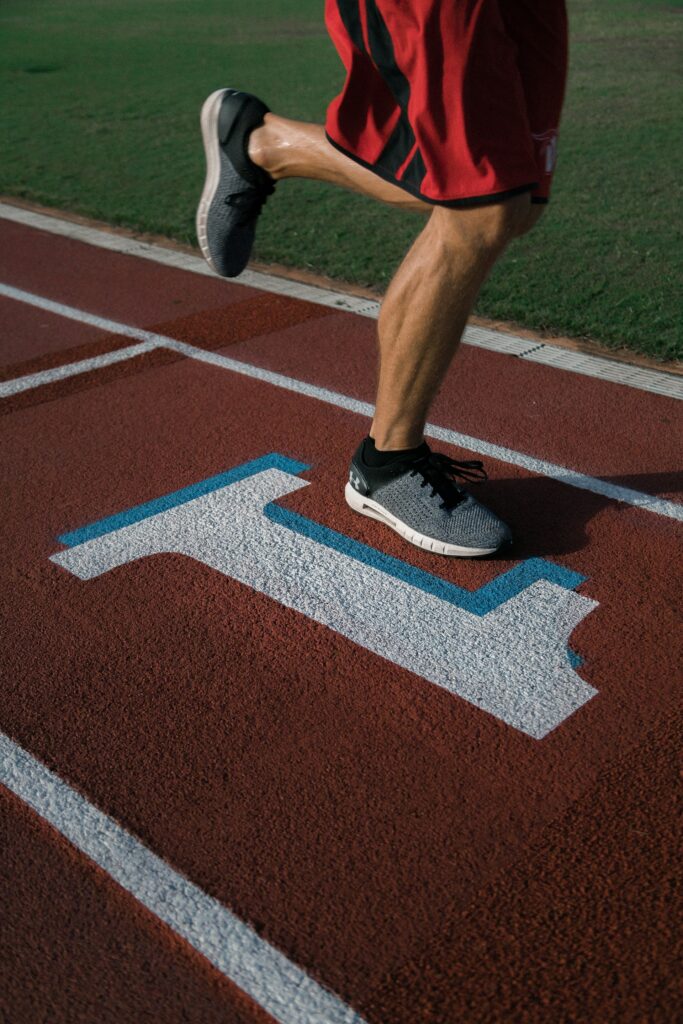
Cushioning helps reduce the harsh feel of repeated impact. But cushioning alone is not enough. A soft insert that collapses quickly may feel comfortable at first but lose support during activity. Athletes usually need a balance of cushioning and structure.
The goal is not to make the shoe feel mushy. The goal is to make the shoe feel supportive, responsive, and comfortable for the type of movement you are doing.
Stability Can Make Shoes Feel More Secure
Athletes need confidence in their shoes. If your foot slides around inside the shoe or the shoe feels unstable during quick movements, it can affect how comfortable and controlled you feel.
A better insole can help improve the internal fit of the shoe by giving the foot a more supportive base. This can be especially helpful during lateral movement, cutting, stopping, and starting.
For court sports and cleat sports, that secure feeling can matter a lot. The shoe needs to move with you, not against you.
Currex Is a Brand Worth Checking Out
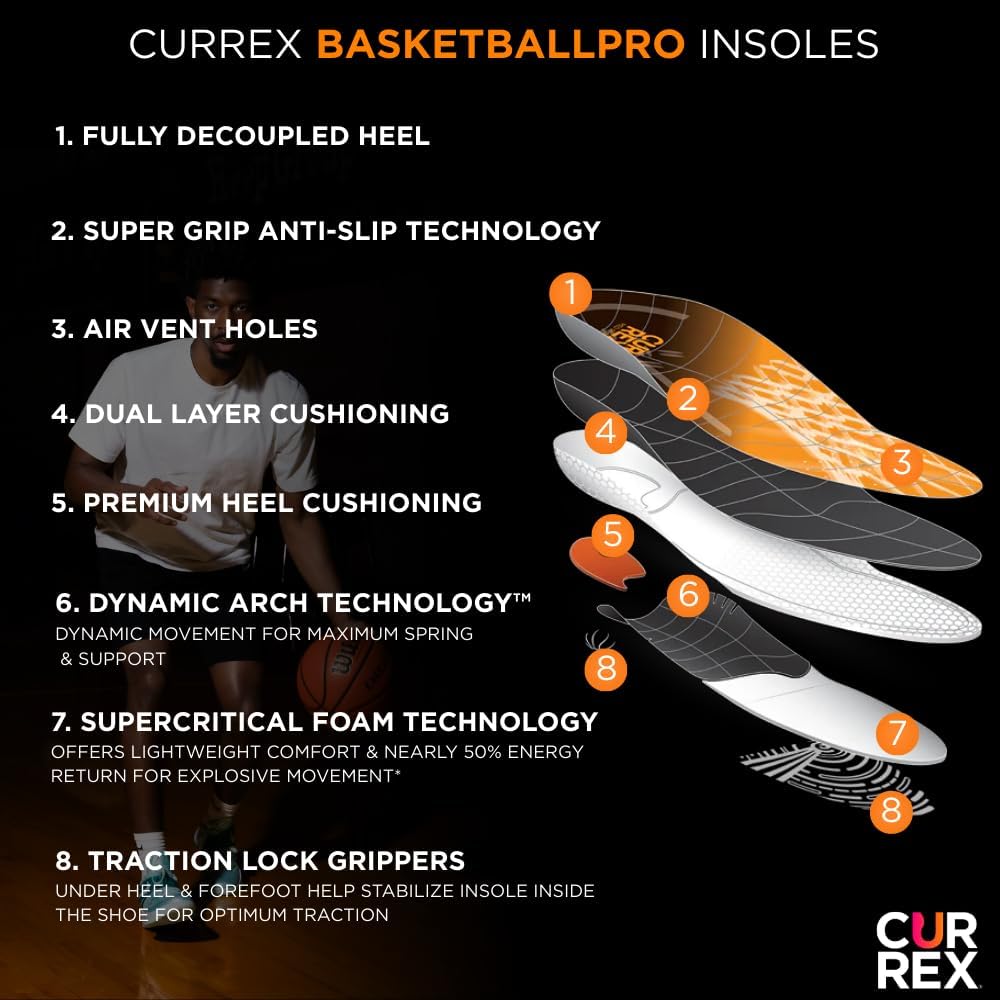
Currex is a brand worth checking out for athletes because its insoles are designed around different sports and movement needs. Instead of treating every athlete the same, Currex offers options for running, basketball, cleat sports, and even pickleball-specific insoles.
That sport-specific approach makes sense. A runner, a basketball player, and a soccer player are not asking their feet to do the exact same thing. Different sports involve different surfaces, movements, impact patterns, and shoe designs. Having insoles built with those differences in mind can make the buying process feel more thoughtful.
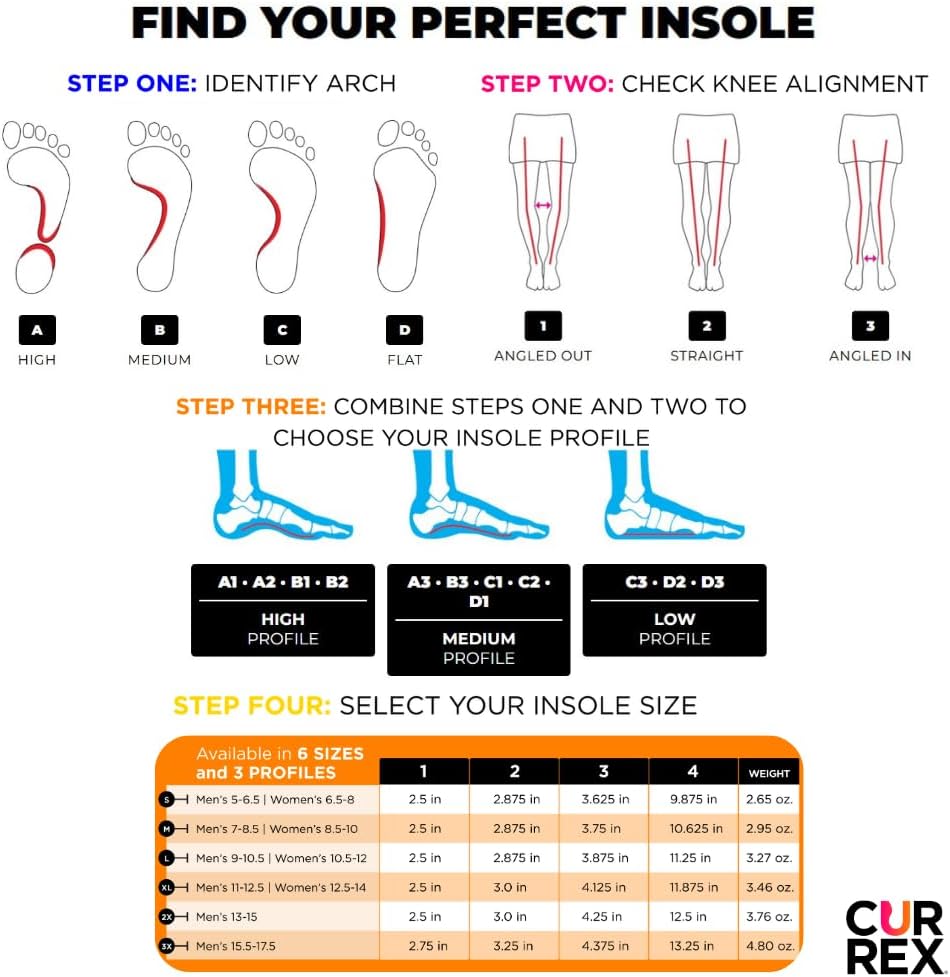
Another helpful feature is that many Currex insoles are offered in different arch profiles, such as high and low arch options. That can give athletes a more custom-feeling fit without needing to jump straight into fully custom orthotics. For someone who wants better support inside their training shoes, game shoes, running shoes, or court shoes, Currex makes it easier to choose an insole that matches both the sport and the foot.
Insoles Can Help Extend the Life of Shoes You Already Like
Many athletes have shoes they already love. Maybe the shoe fits well, has the right traction, looks good, or performs well for their sport. But after a while, the inside starts to feel flat or less supportive.
Replacing the insole can sometimes refresh the feel of the shoe without replacing the entire pair. This is especially helpful if the outsole and upper are still in good condition but the underfoot comfort has started to decline.
Of course, insoles cannot fix a shoe that is completely worn out, damaged, or the wrong size. But for shoes that still have life left, upgraded insoles can be a smart and affordable comfort improvement.
The Right Insole Should Fit the Shoe
Athletes should also pay attention to fit. An insole should not make the shoe feel too tight, raise the foot too high, or cause rubbing. It should sit smoothly inside the shoe and work with the shoe’s design.
Before using a new insole for a full workout or game, it is smart to test it during a shorter session. Wear it around the house, during warmups, or for a light training day. This helps you see whether the fit feels natural before relying on it during harder activity.
If the shoe has a removable factory insert, take it out before adding the new insole. Stacking insoles usually makes the shoe too tight and can create fit problems.
Athletes Should Not Ignore Foot Fatigue
Foot fatigue is easy to brush off. Athletes often assume sore feet are just part of training. Sometimes they are. But if your feet always feel tired, unsupported, or uncomfortable in your shoes, it may be worth looking at your insoles.
Pay attention to patterns. Do your arches ache after long runs? Do your heels feel sore after court sessions? Do your cleats feel harsh during games? Do your shoes feel fine at first but uncomfortable after an hour?
Those signs do not automatically mean you need a new shoe. Sometimes the missing piece is better support inside the shoe.
Insoles Are Not Just for Injured Athletes
A lot of people only think about insoles after pain starts. But athletes do not need to wait until something feels wrong to care about foot support.
Insoles can be part of regular gear planning, just like choosing the right socks, shoes, braces, or training equipment. If you spend hours each week running, training, playing, or competing, your feet deserve the same attention as the rest of your setup.
The right insole can make your shoes feel more supportive during everyday training. That can help make movement feel more comfortable and consistent.
Final Thoughts
Athletes put a lot of effort into choosing the right shoes, but the insole inside the shoe matters too. It affects comfort, arch support, cushioning, stability, and how the shoe feels during movement.
Factory insoles are often basic, and they may not offer the level of support athletes need for running, basketball, cleat sports, pickleball, lifting, or long training sessions. A sport-specific insole can be a simple upgrade that helps your shoes feel more supportive and better matched to your activity.
Currex is a strong brand to consider because it offers insoles designed for different sports and arch types, making it easier for athletes to find a better fit for their feet and their routine.
Performance starts from the ground up. Paying more attention to your insoles is one small change that can make a noticeable difference in how your feet feel during training, competition, and everyday movement.