The Off-Grid Essentials That Make Camping More Comfortable
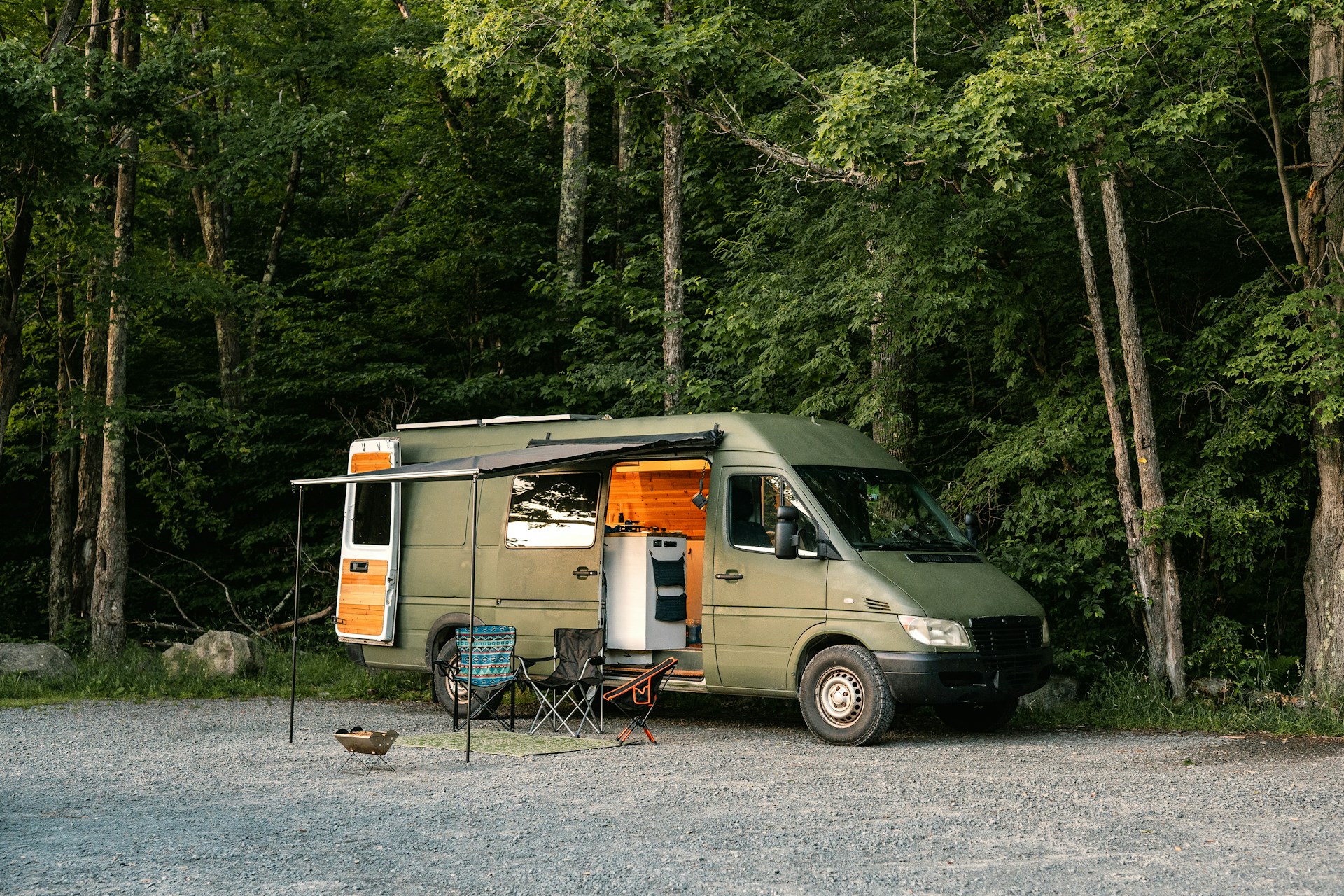
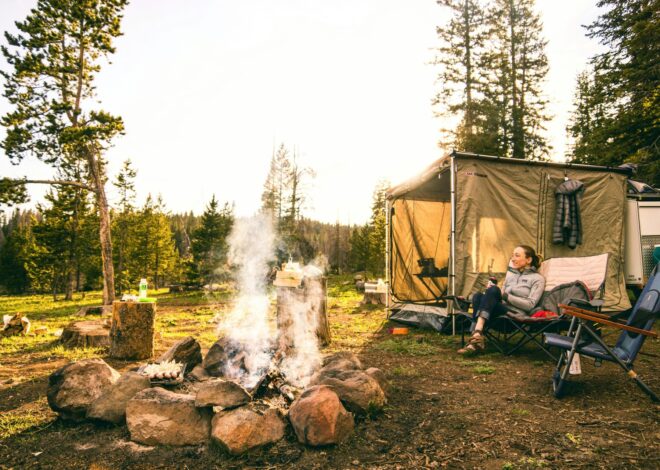
Camping is supposed to feel like an escape, but that does not mean every part of the trip has to feel inconvenient. Whether you are heading to a campsite, taking the RV out for a long weekend, spending time at a remote cabin, boating, or trying out van life, the right gear can make a big difference.
Off-grid comfort is not about overpacking. It is about bringing the essentials that solve the most common problems before they happen. Food storage, lighting, water, power, sleeping gear, bathroom access, and organization can all affect how enjoyable the trip feels.
The best off-grid essentials are practical, easy to store, and useful across different kinds of trips. They help you stay comfortable without making the setup complicated.
Here are the off-grid essentials that can make camping, road trips, cabin weekends, and outdoor travel feel much easier.
1. A Reliable Power Source
A portable power station is one of the most useful upgrades for off-grid camping. It can keep phones charged, power small appliances, run lights, recharge fans, and support other basic electronics when you are away from outlets.
For casual campers, a small power station may be enough for phones, lights, and a speaker. For longer trips, RV camping, or van life, a larger unit with solar charging can be worth considering.
The key is knowing what you need to power. A phone and lantern require much less energy than a cooler, laptop, fan, or cooking device. Before buying, check wattage, battery capacity, number of outlets, charging time, and whether it can connect to solar panels.
2. Comfortable Sleeping Gear
A bad night of sleep can make even a beautiful camping trip feel rough. Sleeping comfort should be one of the first things you plan.
A supportive sleeping pad, quality air mattress, cot, or compact foam mattress can make a huge difference. If you are camping in a van, RV, cabin, or boat, bedding matters even more because you may be sleeping in a small or uneven space.
Think beyond the sleeping bag. Bring a real pillow, layered blankets, and temperature-appropriate bedding. A lightweight blanket can work for warm nights, while colder trips may require insulated sleeping bags and thermal layers.
Comfortable sleep is one of the biggest differences between “roughing it” and actually enjoying the outdoors.
3. A Better Camp Lighting Setup

Good lighting makes camp safer, easier, and more comfortable after sunset. Instead of relying on one flashlight, build a simple lighting system.
A headlamp is great for hands-free tasks like cooking, setting up gear, walking to the bathroom, or checking something in the dark. A lantern works better for lighting a table, tent, van, or cabin area. String lights can make a campsite feel more relaxing while also helping people see where they are walking.
Rechargeable lights are convenient, but it is smart to bring backup batteries or a secondary flashlight. Off-grid lighting should be simple, durable, and easy to find when you need it.
4. A Practical Cooking Setup
Food is one of the best parts of camping, but cooking outdoors can get frustrating without the right setup. A compact camp stove, reliable fuel, cookware, cutting board, utensils, and a washable prep surface can make meals much easier.
For short trips, keep meals simple. Think breakfast burritos, sandwiches, pasta, grilled vegetables, hot dogs, foil packet meals, or pre-marinated proteins. For longer trips, a cooler or portable fridge becomes more important.
A collapsible sink or wash basin is also helpful for cleanup. Add biodegradable soap, a sponge, quick-dry towel, and trash bags so the cooking area stays manageable.
The goal is not to bring your entire kitchen. It is to create a small system that lets you cook, clean, and pack up without stress.
5. Water Storage and Filtration
Water is essential, but it is easy to underestimate how much you will need. Drinking, cooking, washing hands, cleaning dishes, brushing teeth, and rinsing gear can use more water than expected.
Bring more water than you think you need, especially when camping somewhere remote. Large water containers with spouts are useful for base camp, while reusable water bottles or hydration packs are better for hikes and daytime activities.
A water filter or purifier is also smart if you will be near natural water sources. Even if you do not plan to rely on filtered water, having a backup option adds peace of mind.
For comfort, add a small hand-washing station with soap and a towel. It is a simple setup that makes the whole campsite feel cleaner.
6. A Compact Off-Grid Bathroom Solution
Bathroom access is one of the biggest comfort challenges when camping, boating, road tripping, or staying somewhere off-grid. Public restrooms are not always nearby, clean, open, or convenient. For families, older adults, van travelers, and anyone spending time away from developed campsites, a portable toilet can make the trip much more comfortable.
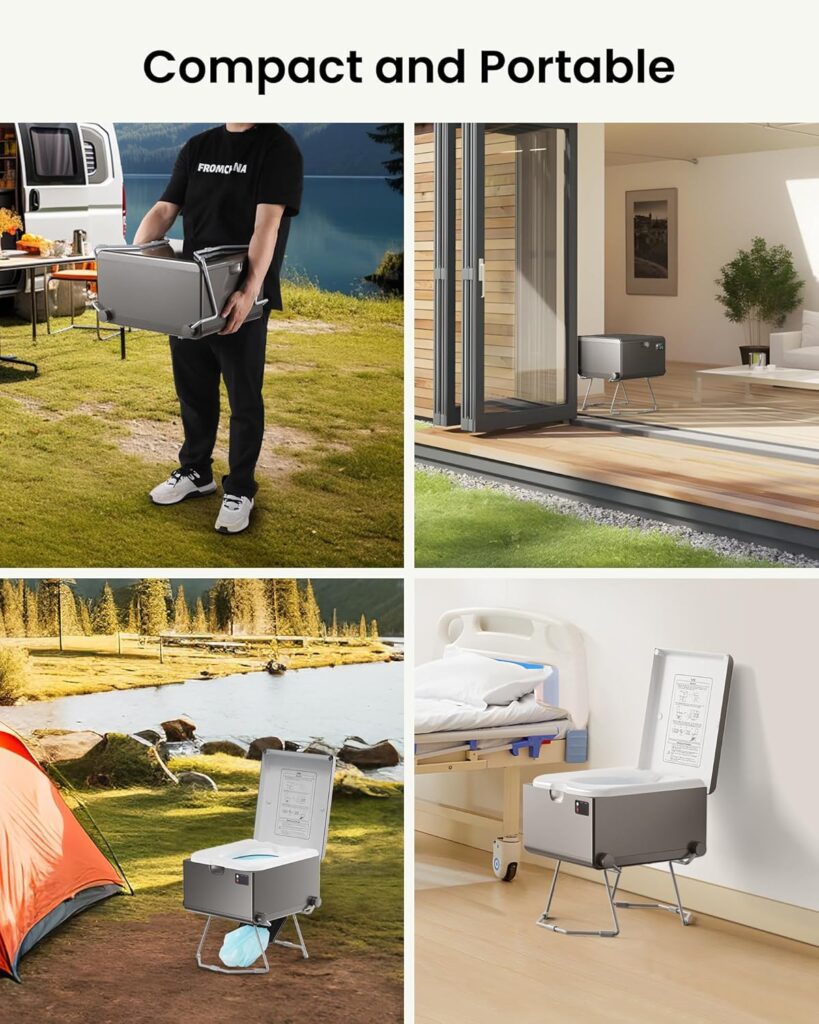
That is where a compact dry flush toilet can be a smart upgrade. The LE-310 Compact Dry Flush Toilet is designed for van life, off-grid travel, RVs, road trips, cabins, and marine use. It is self-contained, rechargeable, foldable, and does not require a plumbing setup, which makes it easier to use in places where a traditional bathroom is not available.
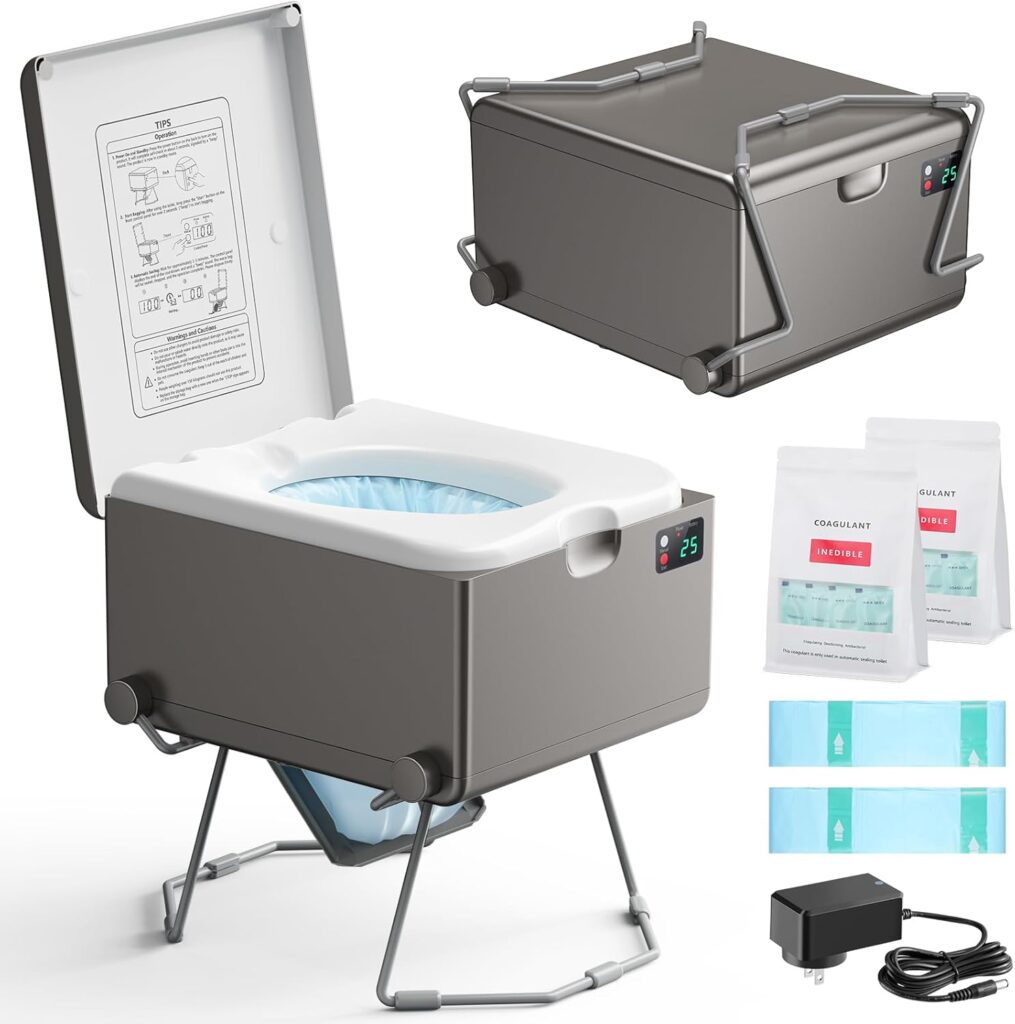
The foldable design helps with storage, especially in small spaces like vans, boats, campers, or cabins. Because it does not need plumbing, it can be used as a practical bathroom solution for people who want more flexibility while traveling. It is also useful for nighttime bathroom needs, remote campsites, boating trips, and situations where walking to a restroom is inconvenient.
For off-grid comfort, this kind of product solves a real problem without turning the trip into a major setup project. It gives campers and travelers a more private, accessible, and organized bathroom option when they are away from home.
7. Weather Protection
Weather can change quickly outdoors, so comfort depends on being prepared for sun, wind, rain, and temperature shifts.
A pop-up canopy, tarp, or awning can create shade during the day and protection from light rain. For tents, a good rainfly and ground tarp are important. For vans, RVs, boats, and cabins, extra shade outside can make the living area feel much more usable.
Bring layers even if the forecast looks warm. Mornings and evenings can get chilly, and wind can make temperatures feel colder. A lightweight rain jacket, warm hoodie, extra socks, and dry shoes can save the trip if the weather turns.
Being prepared for weather is one of the easiest ways to stay comfortable off-grid.
8. Seating That Actually Feels Good
Camp chairs are often an afterthought, but they matter. If you are sitting around a fire, eating outside, watching the water, or relaxing after a long day, a comfortable chair makes a big difference.
Look for chairs with good back support, cup holders, and a size that fits how you camp. Rocking camp chairs, padded chairs, or compact folding chairs can all work depending on your space.
For boating, van life, or RV travel, choose seating that folds down easily and stores flat. If storage is limited, compact stools or low-profile chairs may be better than oversized camp furniture.
A small folding table is also worth packing. It gives you a place for food, drinks, lanterns, books, or gear without using the ground.
9. Smart Storage and Organization
The more off-grid you are, the more organization matters. When gear is scattered everywhere, small problems become frustrating fast.
Use clear bins, packing cubes, dry bags, and labeled containers to keep supplies sorted. Store cooking gear together, bathroom supplies together, bedding together, and tools together. This makes setup and cleanup faster.
A dedicated “camp essentials” bin can save time before every trip. It might include matches, a lighter, flashlight, batteries, rope, duct tape, first aid supplies, trash bags, wipes, and basic tools.
For vans, RVs, boats, and cabins, storage needs to be compact and secure. Gear should be easy to access but not rolling around while you drive or move.
10. First Aid and Basic Safety Gear
Comfort also means feeling prepared. A first aid kit is essential for camping, boating, and off-grid travel.
At minimum, pack bandages, antiseptic wipes, gauze, medical tape, tweezers, pain reliever, allergy medication, bug bite relief, sunscreen, and any personal medications. It is also smart to bring a multi-tool, emergency blanket, whistle, fire starter, and backup light.
For boating or remote areas, add communication planning. Know whether you will have cell service, and consider a satellite communicator if you are going somewhere isolated.
Safety gear may not be exciting, but it is one of the most important parts of a comfortable trip.
11. Bug and Sun Protection
Nothing ruins outdoor comfort faster than sunburns and bug bites. Pack sunscreen, sunglasses, hats, insect repellent, and lightweight long-sleeve clothing.
A screen tent can be helpful if you are camping somewhere with mosquitoes. It creates a protected area for eating, relaxing, or playing cards without constantly swatting bugs away.
For boating, sun protection is especially important because water reflects sunlight. For camping, bug protection matters most around dusk, near water, and in wooded areas.
Small preventive steps can make the whole trip more enjoyable.
Final Thoughts
Off-grid camping does not have to mean giving up comfort. With the right essentials, you can enjoy the outdoors while still having a clean, organized, and practical setup.
A reliable power source, comfortable sleeping gear, better lighting, water storage, cooking supplies, weather protection, smart storage, and safety gear all help make the trip smoother. For many travelers, a compact bathroom solution like the LE-310 Compact Dry Flush Toilet can be one of the most useful comfort upgrades, especially for van life, RVs, cabins, road trips, boating, and remote campsites.
The best gear is the gear that solves real problems. When you pack thoughtfully, off-grid trips feel less stressful, more comfortable, and much easier to enjoy.