The Importance of a Sharp, High-Quality Kitchen Knife
A sharp, high-quality kitchen knife is one of the most important tools in any kitchen. It does not matter if you cook every night, meal prep once a week, or only make simple meals at home. The knife you reach for can change how cooking feels from the very first cut.
A dull, cheap, or uncomfortable knife makes basic prep feel harder than it needs to be. Chopping vegetables takes longer. Slicing meat feels messy. Cutting herbs can bruise them instead of slicing cleanly. Even simple tasks like cutting onions, trimming chicken, or slicing fruit can become frustrating when the knife does not feel sharp, balanced, or reliable.
A good kitchen knife is different. It helps make cooking feel smoother, safer, and more controlled. It can save time, reduce frustration, and make everyday meals easier to prepare. That is why a sharp knife is not just something for chefs. It is a basic kitchen essential for anyone who wants cooking to feel better.
A Sharp Knife Makes Meal Prep Easier
Meal prep often feels time-consuming because so much of it involves cutting, chopping, slicing, and trimming. Before anything gets cooked, ingredients usually need to be prepared. Vegetables need to be chopped. Protein needs to be trimmed. Herbs need to be minced. Fruit needs to be sliced. Garlic and onions need to be cut down.
When your knife is dull, every one of those tasks takes more effort. You press harder, saw back and forth, and spend more time trying to get clean cuts. That can make cooking feel like a chore before you even turn on the stove.
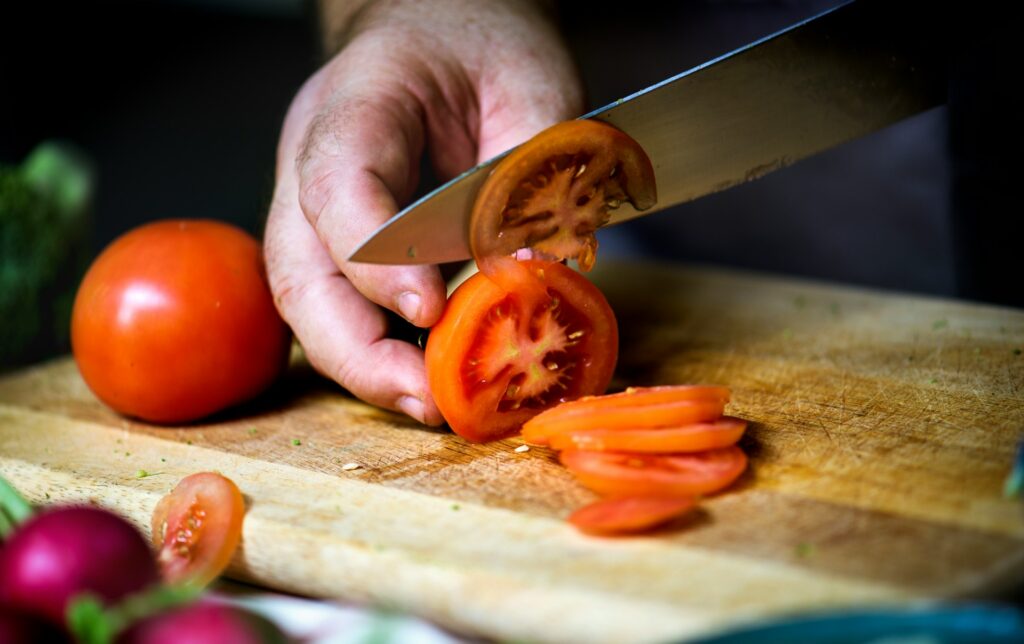
A sharp knife glides through ingredients more easily. Tomatoes slice cleanly instead of getting crushed. Onions cut more evenly. Chicken and beef are easier to trim. Herbs stay fresher-looking because they are sliced instead of smashed.
This is one of the biggest reasons a quality kitchen knife matters. It makes the work before cooking feel less annoying.
A Sharp Knife Can Be Safer Than a Dull One
A lot of people assume a sharp knife is more dangerous because it can cut more easily. But in the kitchen, a dull knife can actually create more risk because it forces you to use more pressure.
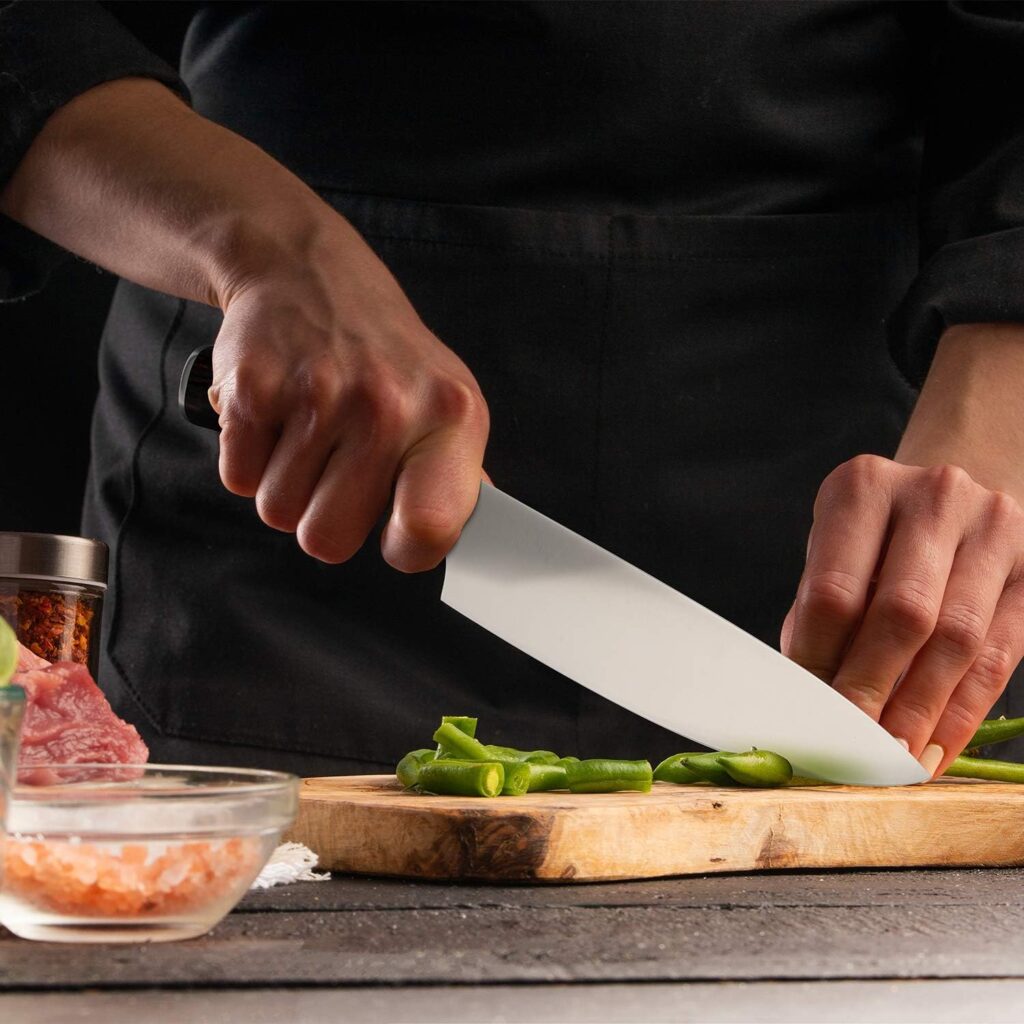
When a dull knife struggles to cut through an ingredient, it can slip. That slip is often what causes accidents. Instead of moving cleanly through food, the blade may slide off the surface or jump unexpectedly. This is especially common with round, firm, or slippery ingredients like onions, potatoes, squash, tomatoes, and citrus.
A sharp knife gives you more control. You do not have to force it. You can use smoother, more predictable movements. Of course, any knife still needs to be handled carefully, but a sharp blade usually allows for cleaner, more controlled cutting.
Good knife safety also includes using a stable cutting board, keeping your fingers tucked, cutting slowly when needed, and storing knives properly. But sharpness is a major part of the equation.
Quality Matters Beyond Sharpness
Sharpness is important, but quality is about more than the edge. A high-quality kitchen knife should also feel balanced, comfortable, and sturdy in your hand.
Balance matters because you want the knife to feel controlled, not awkward or heavy in the wrong place. A knife that feels too handle-heavy or blade-heavy can make prep feel tiring.
Comfort matters because cooking often involves repetitive motion. If the handle feels uncomfortable, slippery, or poorly shaped, your hand may fatigue faster. A knife should feel secure and natural when you hold it.
Sturdiness matters because a kitchen knife is something you use over and over again. A good knife should feel dependable when slicing, chopping, dicing, and mincing. It should not feel flimsy or unpredictable.
That is why choosing a better knife is not just about buying something sharper. It is about finding a tool that makes the whole cooking experience feel more confident.
Better Knives Help You Cut More Evenly
Even cuts are not just about appearance. They can affect how food cooks.
When vegetables are cut into very different sizes, some pieces cook faster than others. Small pieces may burn or become mushy while larger pieces stay undercooked. When protein is sliced unevenly, it can cook inconsistently. When herbs are crushed instead of cut, they can look bruised and lose some of their fresh texture.
A sharp, high-quality knife makes it easier to cut ingredients evenly. That helps food cook more predictably and look more polished. You do not have to be a professional chef to benefit from this. Even simple meals like roasted vegetables, stir-fry, salads, soups, tacos, and sheet pan dinners come out better when ingredients are cut consistently.
In other words, a better knife can improve more than prep. It can improve the final meal.
A Good Chef’s Knife Can Handle Most Kitchen Tasks
You do not need a huge knife block full of specialty knives to cook well at home. For many people, a quality chef’s knife is the most important knife to own because it can handle so many everyday tasks.
A chef’s knife can chop vegetables, slice fruit, mince garlic, cut herbs, trim meat, slice cooked protein, and handle general prep work. It is one of the most versatile tools in the kitchen.
That makes it a smart first upgrade. Instead of buying a large set with knives you may rarely use, many home cooks are better off starting with one reliable chef’s knife they actually enjoy using.
Once you have a good chef’s knife, you can add other knives later if needed, such as a paring knife, bread knife, or santoku-style knife. But the chef’s knife is usually the daily workhorse.
Japanese Chef Knives From imarku Are Worth Considering
For home cooks who want to upgrade their kitchen setup, Japanese chef knives from imarku are worth considering. The brand offers sharp, practical kitchen knives designed for everyday cooking, meal prep, and gifting.
An imarku Japanese chef knife can be a strong option for someone who wants a knife that feels more premium than a basic kitchen drawer knife without making the buying process overly complicated. Their chef knives are often designed with sharp steel blades, comfortable handles, and a clean presentation, making them useful for slicing, chopping, dicing, and general kitchen prep.
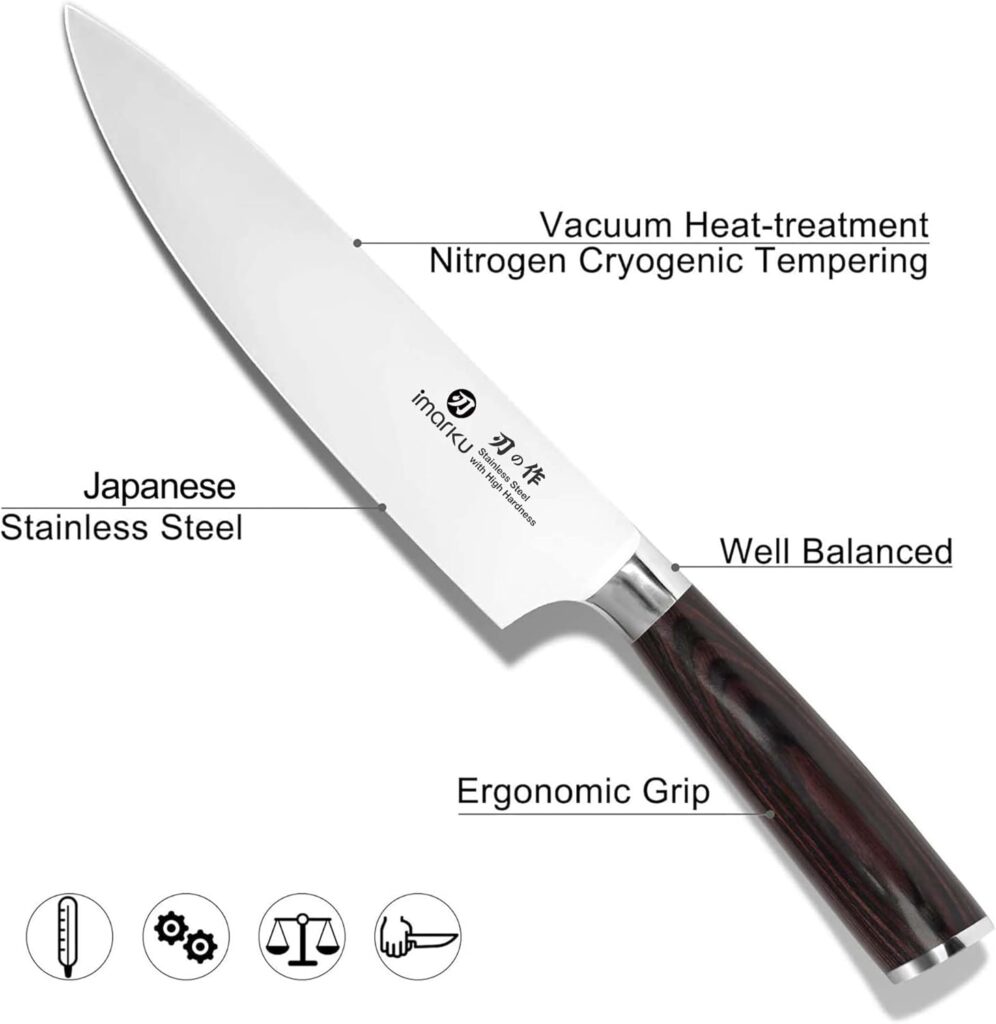
The 8-inch chef knife style is especially versatile because it is large enough for common prep tasks but still manageable for everyday home cooking. It can work well for vegetables, meats, herbs, fruits, and many of the ingredients people prepare most often.
imarku also presents some of its knives in gift boxes, which makes them a practical gift idea for home cooks, parents, newlyweds, apartment owners, or anyone building a better kitchen. A quality knife is the kind of kitchen gift that actually gets used, which is part of what makes it so appealing.
A Better Knife Can Make Cooking More Enjoyable
Cooking is easier to enjoy when your tools work well. A dull knife can make the process feel clumsy and frustrating. A sharp knife can make the same task feel satisfying.
There is something noticeable about cleanly slicing through an onion, chopping herbs quickly, or cutting vegetables into even pieces without fighting the blade. It makes you feel more capable in the kitchen.
That matters because many people avoid cooking not because they dislike food, but because the process feels inconvenient. Better tools can remove some of that friction. A good knife will not cook dinner for you, but it can make the first steps of cooking feel less like work.
When meal prep feels easier, you may be more likely to cook at home, try new recipes, or prep ingredients ahead of time.
Dull Knives Can Waste Time and Ingredients
A dull knife does not just slow you down. It can also damage ingredients.
Soft foods can get crushed. Herbs can turn bruised and dark. Tomatoes can split unevenly. Meat can tear instead of slice. Bread can get smashed. Even simple cuts can look rough and messy.
This can lead to wasted food, uneven cooking, and a less enjoyable experience overall.
A sharp knife helps preserve the texture and appearance of ingredients. It allows you to work more cleanly, which is especially useful when preparing salads, fruit platters, stir-fries, garnishes, sandwiches, and dishes where presentation matters.
Even if you are just cooking for yourself, cleaner prep can make food feel more appetizing.
A Quality Knife Should Be Cared For Properly
Buying a better knife is only part of the equation. You also need to care for it properly.
That means washing it by hand, drying it soon after washing, and storing it safely. Avoid tossing a good knife loose into a drawer where the edge can hit other utensils. A knife block, magnetic strip, sheath, or drawer organizer can help protect the blade.
You should also use the right cutting surface. Wood and plastic cutting boards are generally better for knives than hard surfaces like glass, stone, or ceramic. Cutting on hard surfaces can dull the blade much faster.
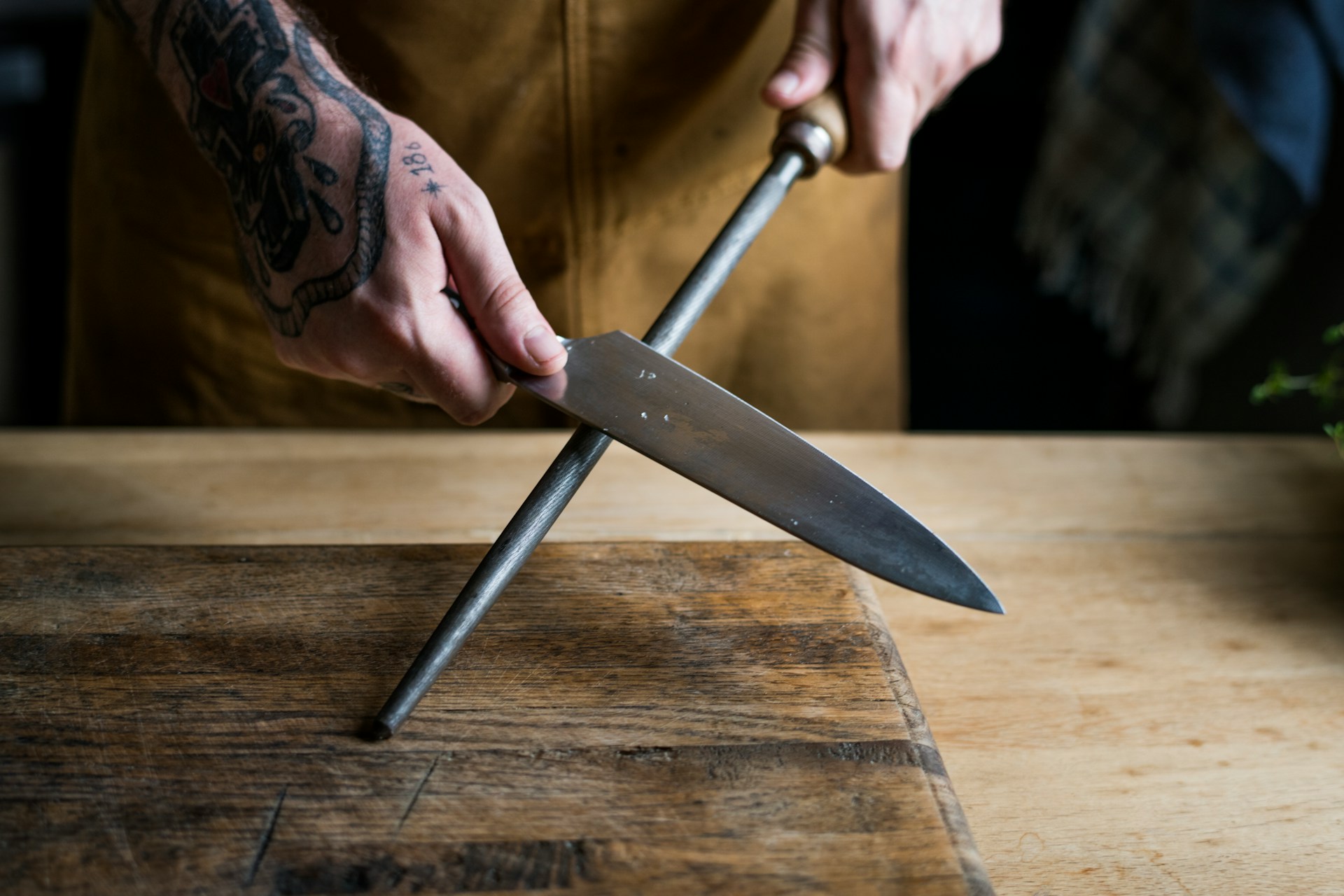
Even high-quality knives need maintenance over time. Honing can help keep the edge aligned, and sharpening may be needed when the knife starts to feel dull. Taking care of the knife helps preserve its performance and makes it last longer.
You Do Not Need to Be a Chef to Use a Better Knife
Some people think high-quality knives are only for serious cooks. That is not true. In many ways, casual home cooks benefit the most because a better knife makes basic cooking easier.
If you are not a trained chef, you probably want tools that make the process simpler, not harder. A sharp, balanced knife helps with that. It gives you more control and makes common tasks feel smoother.
You do not need advanced knife skills to appreciate a better blade. You just need to cook enough to know when your current knife is making things harder.
If you chop vegetables, cook chicken, make salads, prepare fruit, slice sandwiches, or cook basic weeknight dinners, a good knife can quickly become one of your most-used tools.
What to Look for in a Kitchen Knife
When choosing a kitchen knife, start with the basics. Look for a blade that is sharp, durable, and suited for general prep. The handle should feel comfortable in your hand. The knife should feel balanced, not awkward or unstable.
An 8-inch chef’s knife is a common choice because it is versatile enough for many tasks. It gives you enough blade length for chopping and slicing while still being manageable for everyday cooking.
Also think about how the knife will be stored and maintained. A good knife should fit into your kitchen routine. If it feels too delicate, too heavy, or too intimidating, you may not use it as often.
The best knife is one you actually reach for.
Final Thoughts
A sharp, high-quality kitchen knife is one of the most valuable tools you can own. It makes meal prep easier, helps improve control, supports cleaner cuts, and can make cooking feel more enjoyable.
A dull knife creates frustration. A good knife helps remove it.
For home cooks looking to upgrade, a Japanese chef knife from imarku is a strong option to consider. It offers the kind of everyday versatility that makes a chef’s knife so useful, while also feeling like a meaningful kitchen upgrade.
Cooking does not have to be complicated to benefit from better tools. Sometimes the biggest difference starts with the knife in your hand.