10 Basic Tools That Make DIY Projects So Much Easier
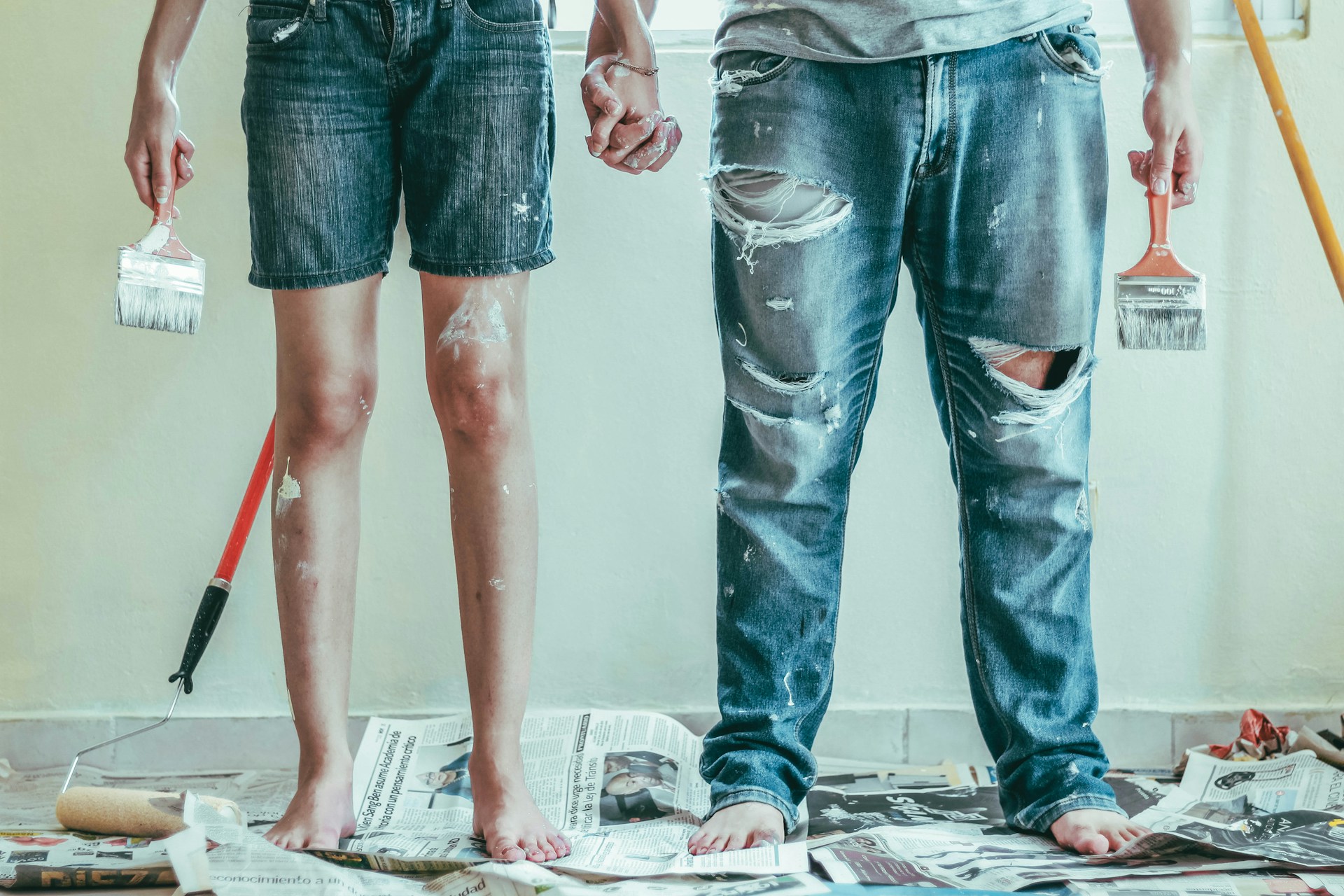
There is a big difference between wanting to handle small projects around the house and actually feeling prepared when something needs fixing.
A loose cabinet handle. A wobbly chair. A shelf that needs hanging. A bike that needs adjusting. A small car, garage, or furniture project that seems simple… until you realize you do not have the right tool for the job.
That is usually where DIY starts to feel harder than it needs to be.
The good news is that you do not need a professional-grade workshop to be handy. You do not need every tool on the hardware store wall, and you definitely do not need to buy a giant kit full of things you will never use.
What you do need is a small collection of dependable basics.
The right tools make projects faster, cleaner, safer, and a lot less frustrating. They help you measure correctly, tighten things properly, make cleaner cuts, and avoid those “I’ll just make it work” moments that often create more problems later.
Whether you are new to DIY or just trying to build a better home tool setup, these are the basic tools that make everyday projects so much easier.
1. A Good Tape Measure
Almost every DIY project starts with measuring.
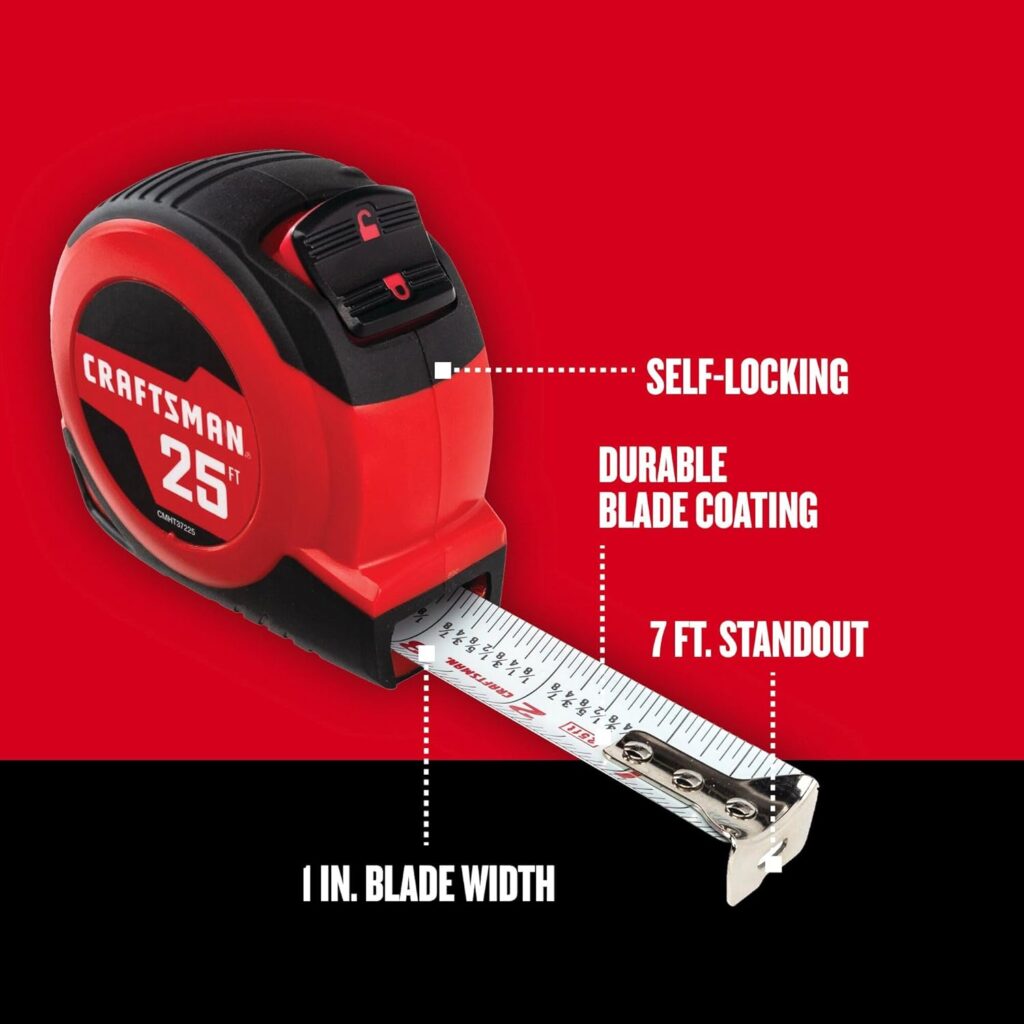
Hanging curtains, choosing furniture, cutting wood, spacing out wall art, installing shelves, or figuring out if something will actually fit through a doorway all depends on having a tape measure nearby.
A good tape measure is one of those tools you will use more than you expect. It saves you from guessing, eyeballing, and making annoying trips back to the store because something was just a little too short, too wide, or too tall.
Look for one that feels sturdy, locks smoothly, and has easy-to-read numbers. A 25-foot tape measure is a solid size for most household jobs because it is long enough for room measurements but still compact enough to keep in a drawer, toolbox, or garage cabinet.
It is not the most exciting tool, but it is one of the most useful.
2. A Cordless Drill and Driver
If there is one power tool that belongs in almost every home, it is a cordless drill and driver.
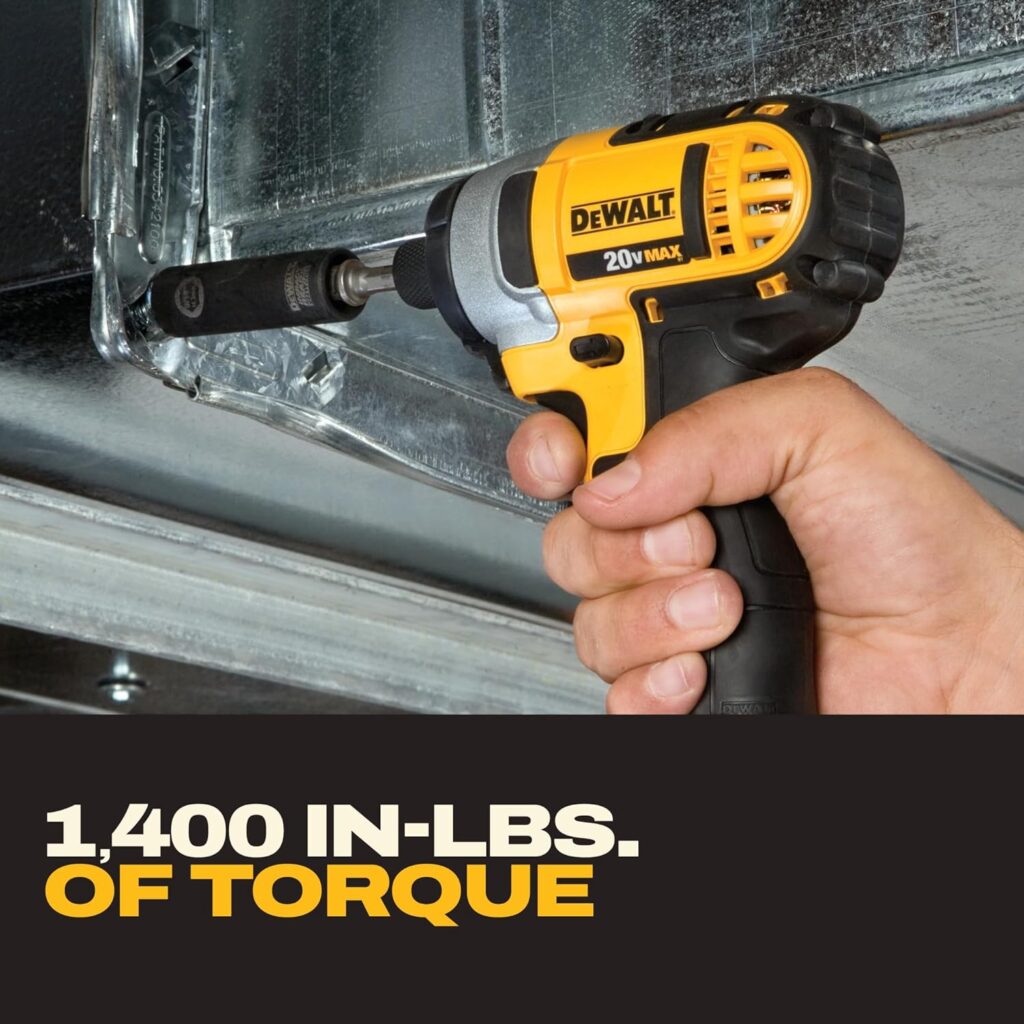
It helps with assembling furniture, installing shelves, hanging brackets, replacing hardware, drilling pilot holes, and driving screws without destroying your wrist in the process.
A basic cordless drill can turn a frustrating 45-minute project into something that takes 10 minutes. It also gives you more control than trying to force screws in by hand, especially when working with wood, wall anchors, or flat-pack furniture.
For most DIYers, you do not need the biggest or most expensive drill available. A compact cordless model with a rechargeable battery, adjustable clutch settings, and a few basic drill and screwdriver bits is enough for everyday projects.
Once you have one, you will find yourself reaching for it constantly.
3. A Reliable Torque Wrench
A regular wrench can tighten a bolt.
A reliable torque wrench helps you tighten it correctly.
That matters more than a lot of people realize. Some projects require fasteners to be tightened to a specific amount of force. Too loose, and the part may not be secure. Too tight, and you can strip threads, damage parts, crack materials, or create a problem that is much harder to fix later.
This is especially useful for automotive work, bikes, motorcycles, equipment, certain furniture assemblies, garage projects, and anything where “tight enough” is not really good enough.
LEXIVON has a solid lineup of tools worth checking out, especially if you want something that feels dependable without overcomplicating the job. A good click-style torque wrench can give you a clear signal when you have reached the selected torque, which helps take the guesswork out of tightening bolts.
Instead of cranking down and hoping for the best, you can tighten with a specific target in mind. That is a big upgrade if you work on small mechanical projects, maintain your own equipment, or simply want to avoid overtightening hardware.
A torque wrench may not be the first tool everyone thinks to buy, but once you need one, you really need one.
4. A Screwdriver Set That Is Actually Complete
Everyone has used the wrong screwdriver at some point.
Maybe the tip was too small, so it slipped. Maybe it was too large, so it would not fit. Maybe you tried to make a flathead work on a Phillips screw because it was the only thing nearby.
That is how screws get stripped and simple jobs become annoying.
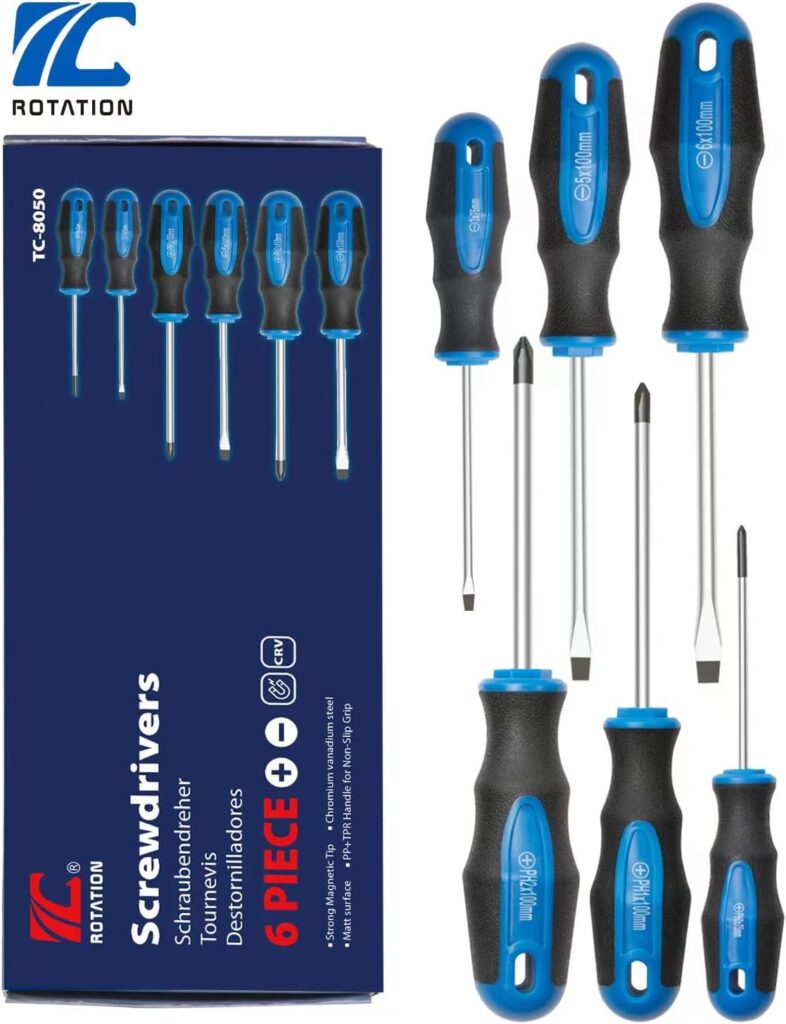
A good screwdriver set is one of the easiest upgrades you can make to your DIY setup. You want a mix of Phillips and flathead sizes, plus smaller precision screwdrivers if you deal with electronics, glasses, toys, battery compartments, or small hardware.
Magnetic tips are also helpful because they hold screws in place and make it easier to work in awkward spots.
Even if you have a cordless drill, hand screwdrivers are still important. They give you more control for delicate work, small adjustments, and projects where a power tool might be too aggressive.
5. A Utility Knife
A sharp utility knife is one of those tools that quietly does everything.
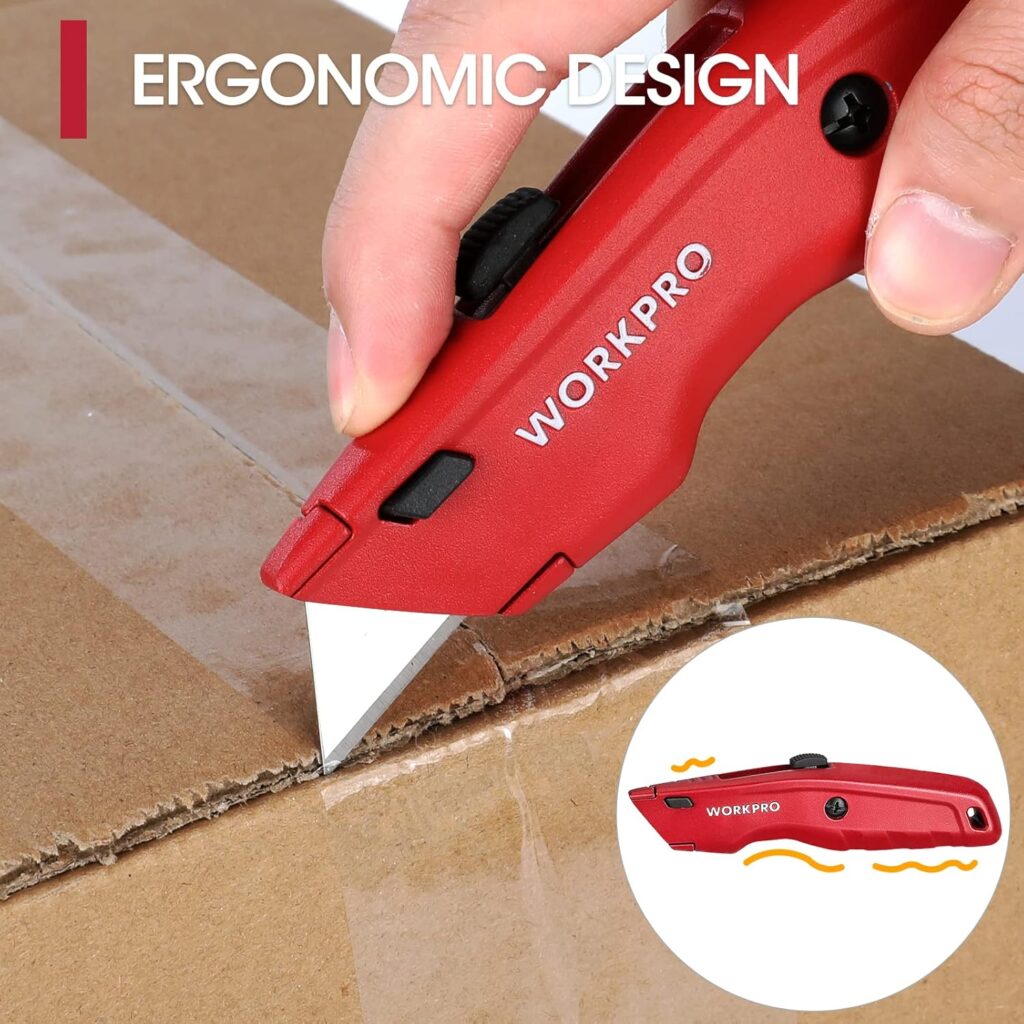
It opens boxes, trims materials, cuts cardboard, scores drywall, slices packaging, cuts carpet, trims plastic, and helps with countless small tasks around the house.
Trying to do those jobs with scissors or a kitchen knife is not only annoying, but it can also be unsafe. A proper utility knife gives you better control and cleaner cuts.
Choose one with a comfortable grip and replaceable blades. Dull blades are more dangerous than sharp ones because they force you to use extra pressure, which makes slipping more likely.
Keep extra blades on hand, too. Swapping in a fresh blade can make a project feel instantly easier.
6. A Level
Crooked shelves, uneven picture frames, and slightly tilted curtain rods are the kind of things you may not notice at first.
Then one day, you see it.
And you cannot unsee it.
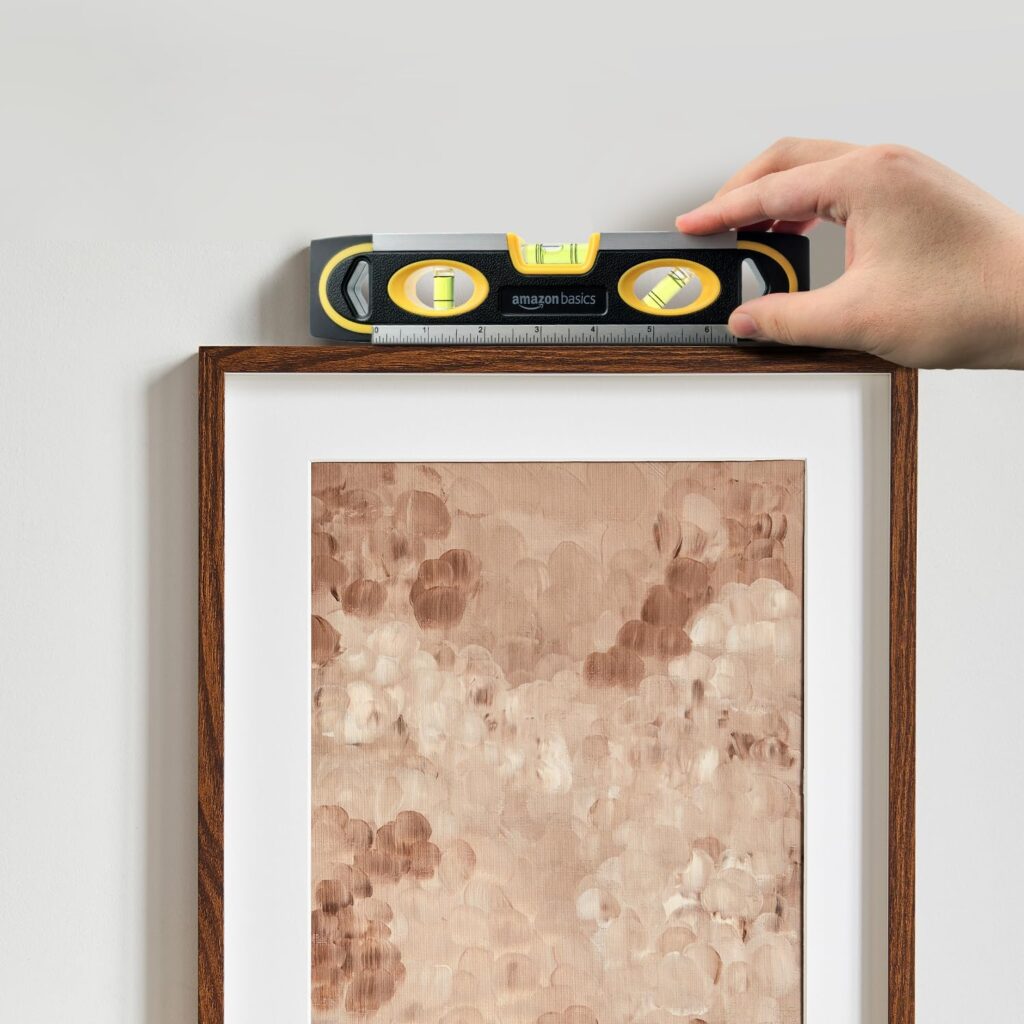
A level helps prevent that. It is a simple tool, but it makes a big difference when you are hanging anything on a wall or installing something that needs to sit straight.
A small level is handy for quick jobs, while a longer level is better for shelves, cabinets, mirrors, and larger installations. Some people also like laser levels for bigger wall layouts, but a basic bubble level is still one of the most useful tools you can own.
It gives your projects a cleaner, more finished look without requiring any special skill.
7. Pliers for Gripping, Pulling, and Adjusting
Pliers are the tool you reach for when your fingers are not strong enough, precise enough, or protected enough.
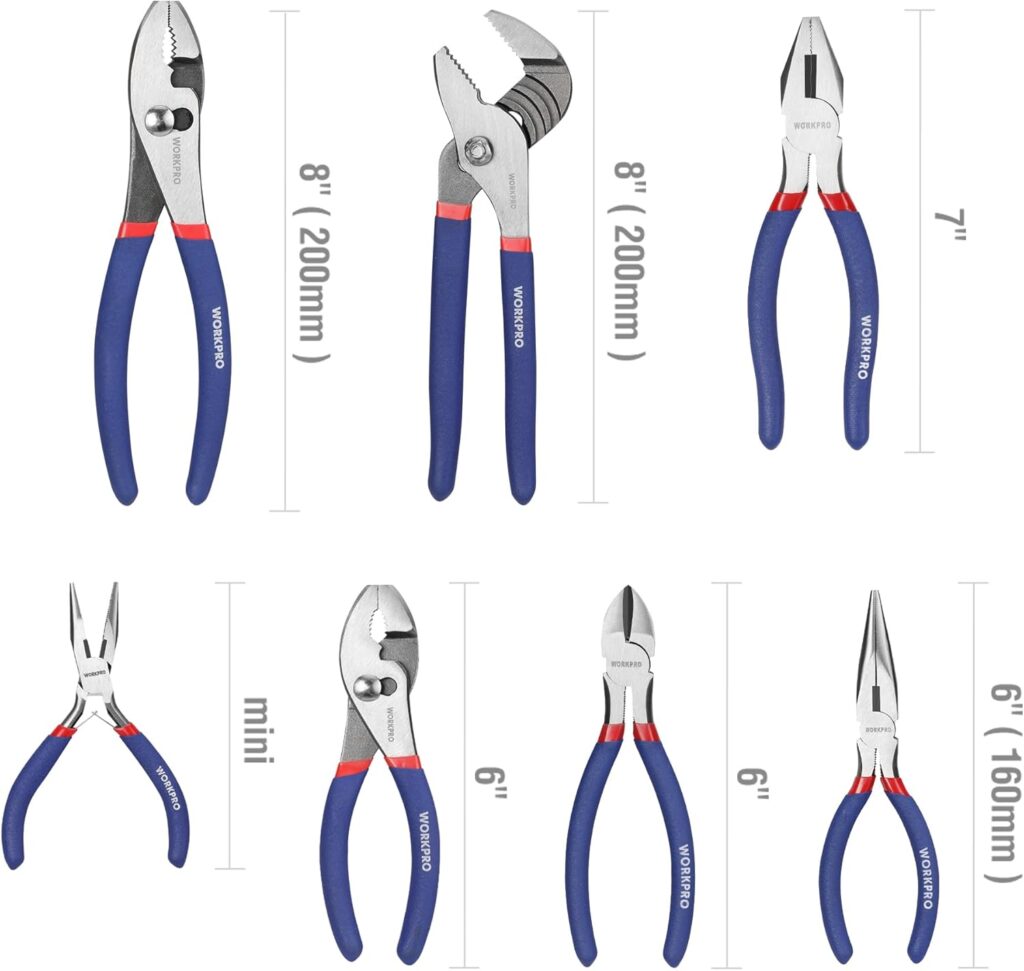
They help grip, bend, twist, pull, clamp, loosen, and adjust all kinds of small parts. A basic pliers set should include slip-joint pliers, needle-nose pliers, and locking pliers.
Needle-nose pliers are especially useful for tight spaces, small wires, hooks, clips, and delicate adjustments. Locking pliers are helpful when you need a firm grip that stays in place.
Pliers are not glamorous, but they solve a lot of little problems.
And DIY is full of little problems.
8. A Stud Finder
If you are hanging something heavy, a stud finder can save you from a very bad day.
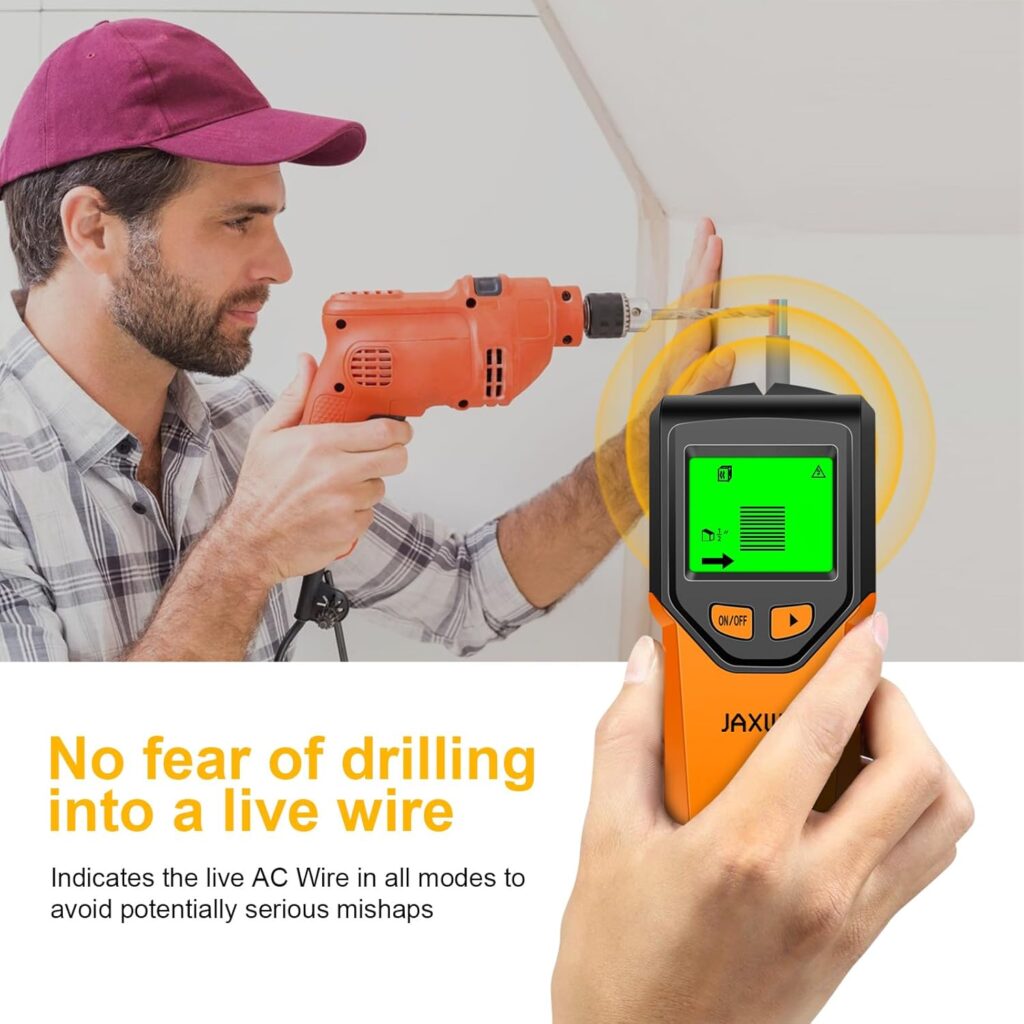
Drywall alone is not meant to hold heavy shelves, large mirrors, mounted TVs, or cabinets without the right support. A stud finder helps you locate the wood framing behind the wall so you can anchor into something stronger.
Yes, wall anchors can be useful. But when something is heavy or valuable, finding a stud is usually the better move.
A stud finder is especially helpful for renters, homeowners, and anyone who likes decorating without creating unnecessary wall damage.
It is a small tool that can prevent big mistakes.
9. Clamps
Clamps are like an extra pair of hands.
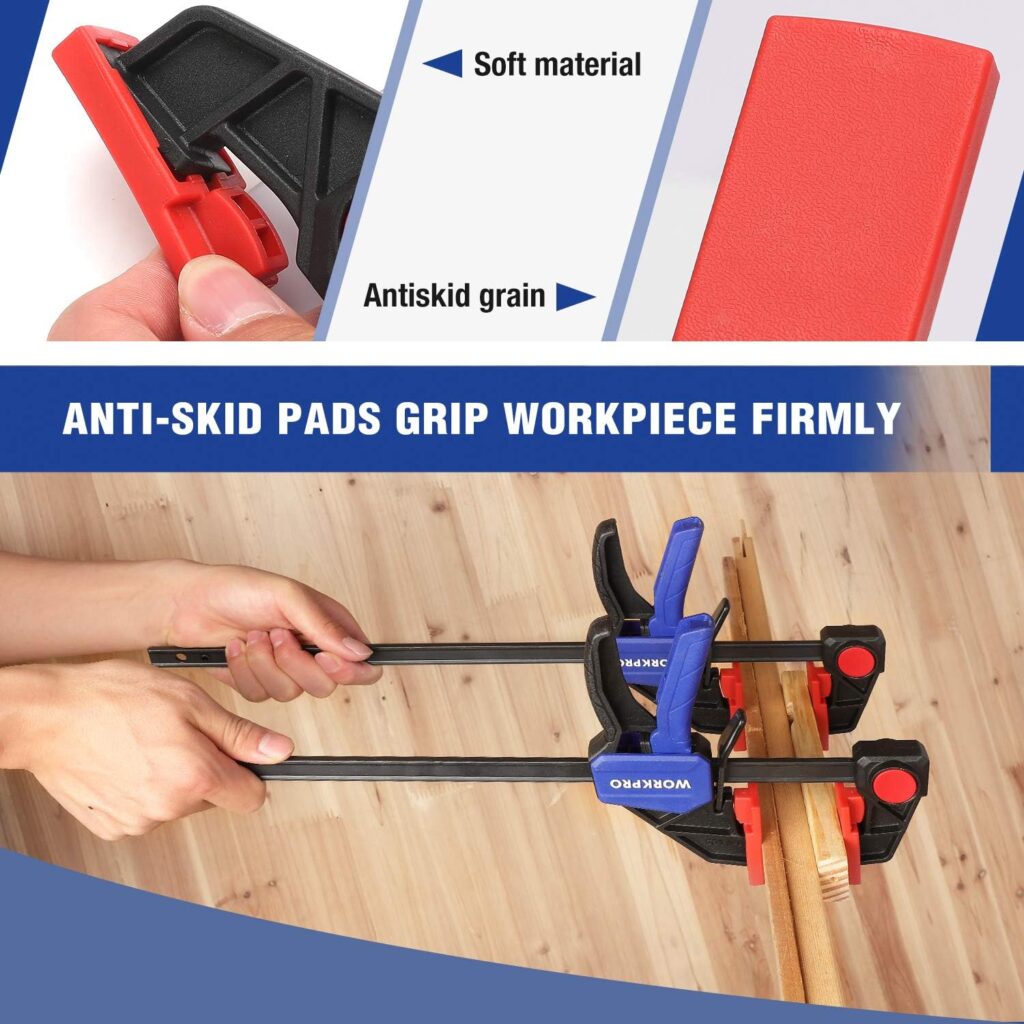
They hold pieces together while glue dries, keep materials steady while you cut, secure items while you drill, and help prevent things from shifting at the worst possible moment.
Even a small set of basic clamps can make DIY projects much easier. They are useful for woodworking, furniture repair, craft projects, garage projects, and any job where you need something to stay still.
Trying to hold something with one hand while drilling or cutting with the other is how projects get messy. Clamps make the job safer and cleaner.
10. Safety Gear
Safety gear is easy to overlook until you really need it.
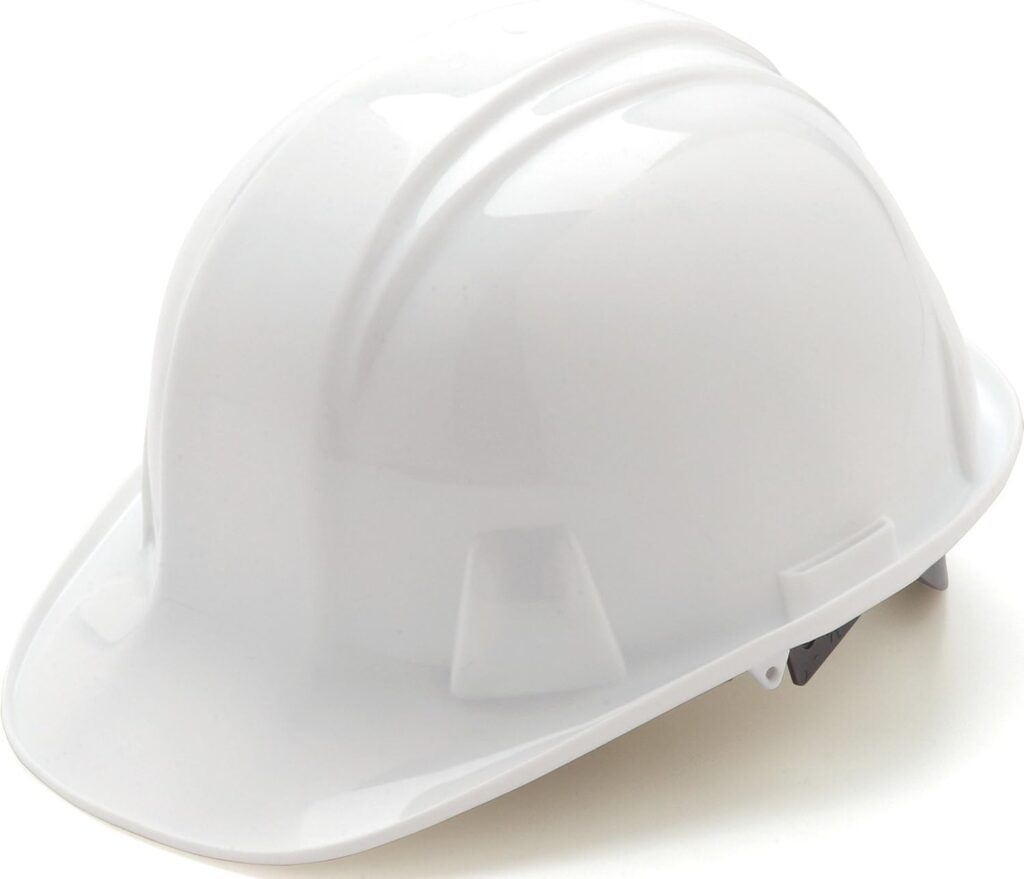
A basic DIY setup should include safety glasses, work gloves, and a dust mask or respirator for messy jobs. Ear protection is also smart if you use loud power tools.
Safety glasses protect your eyes from dust, debris, metal shavings, wood chips, and random flying pieces that always seem to appear when you least expect them. Gloves help protect your hands from splinters, sharp edges, heat, and rough materials.
You do not need to overthink it. Just keep safety gear close enough that you will actually use it.
The best tool setup is not just about getting the job done. It is about getting the job done without hurting yourself.
Start With the Basics and Build From There
DIY does not have to mean owning every tool imaginable.
It starts with having the right basics nearby when small projects come up. A tape measure, drill, screwdriver set, utility knife, level, pliers, adjustable wrench, clamps, safety gear, and a reliable torque wrench can cover a surprising amount of everyday work.
The goal is not to become a professional overnight.
The goal is to feel capable.
When you have dependable tools, you are more likely to fix the loose handle, hang the shelf, adjust the bike, assemble the furniture, patch the small problem, or finally take on the weekend project you have been avoiding.
Good tools do not just make DIY easier.
They make it feel possible.