
The Cleaner You Use Every Day Could Be Ruining Your Furniture

Cleaning your home is supposed to protect your space, not slowly wear it down. Yet many people unknowingly damage their furniture, floors, and surfaces simply by using the wrong cleaning products. What feels like a harmless habit often builds into long term damage that only becomes visible after months or years.
The problem is not that people are careless. It is that modern cleaning advice has pushed convenience over compatibility. All purpose cleaners, DIY vinegar solutions, and “safe for everything” products promise simplicity, but furniture and home surfaces are not one size fits all. Different materials react very differently to moisture, acidity, abrasives, and solvents.
Understanding how cleaners interact with furniture materials is one of the most overlooked aspects of home care. Once you understand it, the need for specialized cleaners becomes obvious.

Why Furniture Materials Are More Sensitive Than You Think
Furniture is made from a wide range of materials, each with its own structure and vulnerabilities. Leather, finished wood, engineered wood, hardwood floors, and coated surfaces all respond differently to cleaning agents.
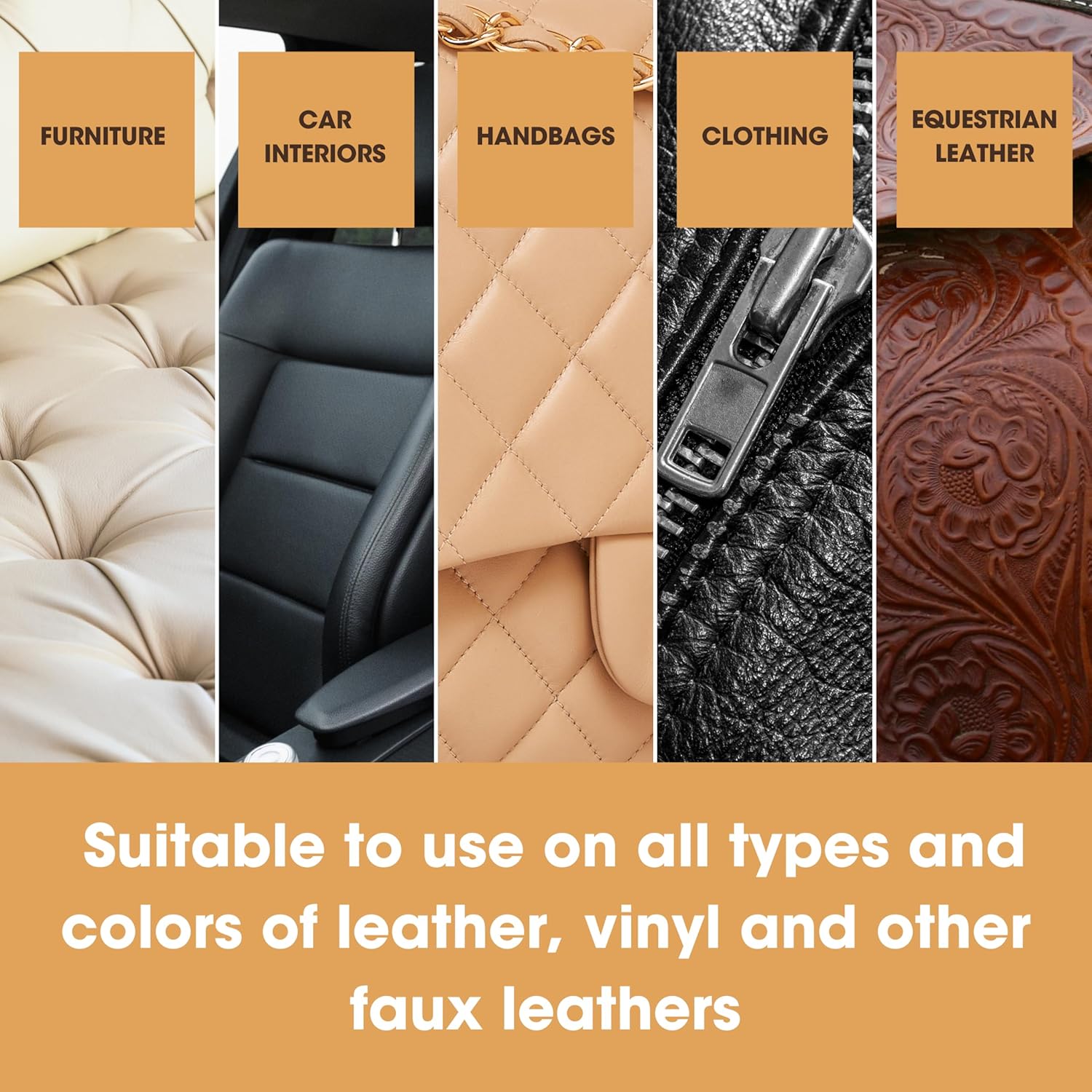
Leather is porous and flexible. It absorbs liquids easily and relies on natural oils to stay soft and resilient. Wood furniture is often sealed with finishes that protect the surface but can be stripped or dulled by harsh cleaners. Floors are exposed to repeated abrasion and moisture, which can break down finishes faster than expected.
When a cleaner is not designed for a specific material, it may clean the surface initially while quietly weakening it underneath. Over time, this leads to fading, drying, cracking, residue buildup, or a dull, lifeless appearance.
The Hidden Problem With All Purpose Cleaners
All purpose cleaners are marketed as safe, convenient solutions that simplify cleaning routines. While they do have their place, they are often misunderstood.
These cleaners are formulated to remove general grime from non sensitive surfaces like countertops, sealed tile, or appliances. To achieve broad cleaning power, they often rely on stronger surfactants or solvents that are not ideal for delicate finishes.
On furniture, this can lead to several issues:
- Stripping protective coatings from wood
- Drying out leather by removing natural oils
- Leaving residue that attracts more dirt over time
- Causing discoloration or uneven sheen
The biggest issue is cumulative damage. One cleaning session may not cause noticeable harm, but repeated use slowly degrades the surface.

When All In One Cleaners Can Be Acceptable
This does not mean all purpose cleaners should never be used. They can be appropriate in limited situations.
All in one cleaners may be suitable for:
- Hard, non porous surfaces
- Quick wipe downs of sealed surfaces with no finish sensitivity
- Occasional cleaning where the product is explicitly labeled as safe for that material
Even then, they should not replace routine care with material specific cleaners. They are best viewed as a convenience option, not a long term maintenance solution.
When You Should Definitely Avoid Them
There are situations where all purpose cleaners should be avoided entirely.
Do not use general cleaners on:
- Leather furniture
- Wood furniture with visible grain or finish
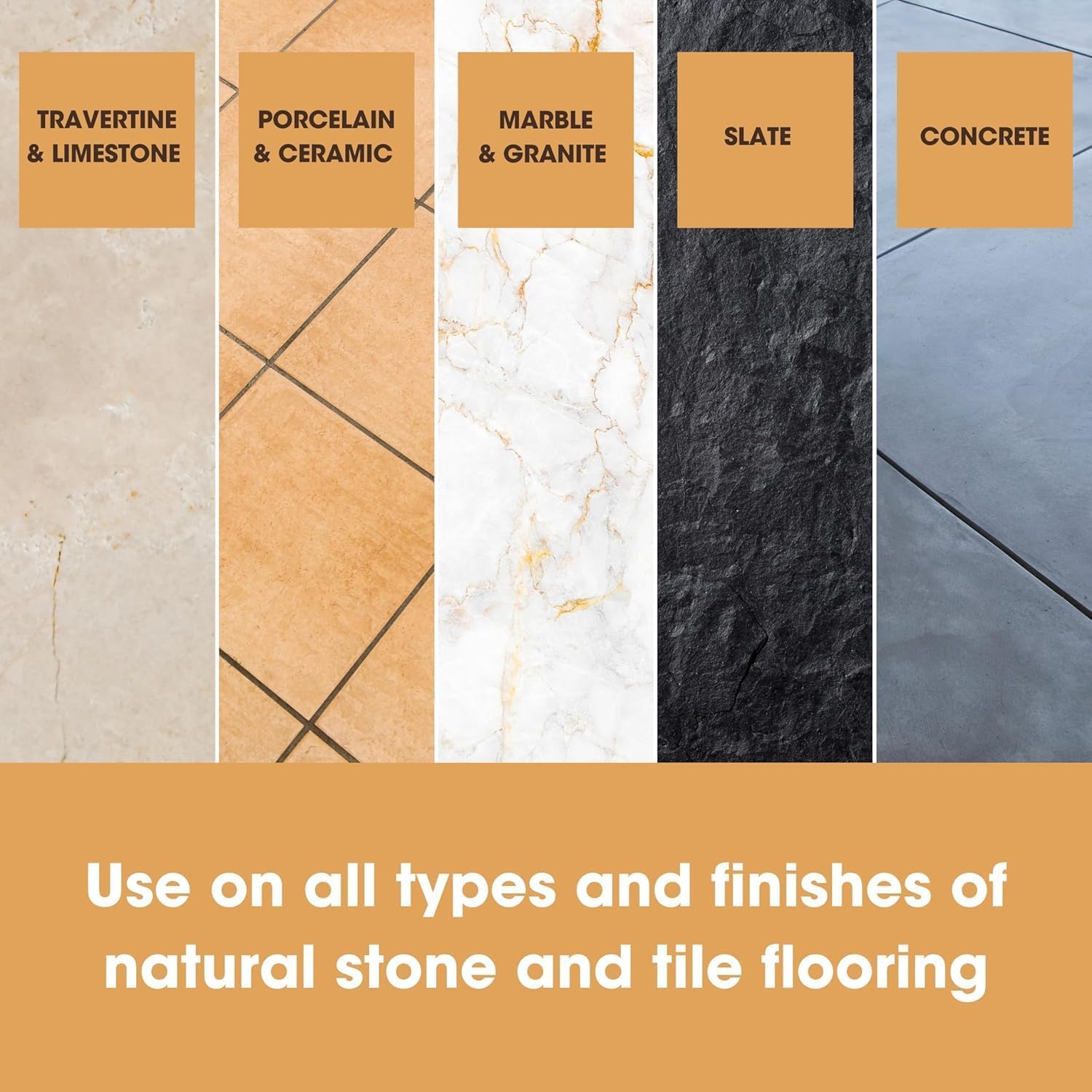
- Hardwood floors
- Vintage or restored furniture
- Upholstery with natural materials
In these cases, using the wrong cleaner does not just reduce appearance. It actively shortens the lifespan of the furniture.
The Vinegar Myth and DIY Cleaning Risks
One of the most persistent cleaning myths is that vinegar is a safe and natural solution for everything. While vinegar has legitimate uses, it is acidic, and acidity is not friendly to many furniture materials.
On wood, vinegar can slowly break down finishes and leave surfaces looking dull and dry. On leather, it can strip oils and cause stiffness or cracking. On floors, repeated exposure can weaken protective coatings.
DIY solutions are appealing because they feel affordable and natural, but they often lack the balance needed to clean effectively without causing harm. Furniture materials are engineered and finished with specific tolerances. Household acids and improvised mixtures rarely respect those limits.

Why Specialized Cleaners Make a Difference
Specialized cleaners are designed with one goal in mind: to clean a specific material without damaging it.
A leather cleaner is formulated to lift dirt while preserving oils and flexibility. A leather conditioner restores moisture and helps prevent cracking. Wood cleaners remove buildup without stripping finishes, and wood conditioners nourish the surface to maintain appearance and durability.
These products are not about luxury or upselling. They are about compatibility. When a cleaner matches the material it is used on, cleaning becomes protective rather than destructive.
Leather Furniture Needs More Than Just Cleaning
Leather furniture is one of the most commonly damaged surfaces in homes, often due to improper cleaning.
Leather needs:
- Gentle cleaning agents
- Moisture balance
- Conditioning to replace lost oils
Using the wrong product can make leather feel clean initially but leave it dry, stiff, or prone to cracking. Over time, this damage becomes permanent.
Specialized leather cleaners and conditioners are designed to work together. Cleaning removes dirt, while conditioning restores what cleaning takes away. Skipping one or using an unsuitable product disrupts that balance.

Wood Furniture and Floors Are Not Indestructible
Wood surfaces often look durable, but their protective finishes are surprisingly delicate. Many common cleaners dull finishes or leave behind residue that changes how the surface reflects light.
Wood conditioners and polishes do more than add shine. They help protect finishes, reduce drying, and slow down wear. Proper wood care preserves both appearance and structure.
Floors are especially vulnerable because they experience constant foot traffic. Using the wrong cleaner repeatedly can shorten the life of floor finishes significantly.
Why Professional Grade Products Matter
Not all specialized cleaners are created equal. Some are simply diluted versions of general cleaners with a label change. Others are formulated to professional standards.
Brands that specialize in furniture and surface care often develop products based on restoration and repair experience. They understand how materials age, fail, and recover.
This is where companies like Furniture Clinic stand out. Their products are designed for cleaning, conditioning, restoring, and recoloring leather and wood surfaces, not just masking problems. Many of their cleaners and conditioners are adapted from professional restoration solutions, making them effective for home use when instructions are followed.
Furniture Clinic and Material Specific Care
Furniture Clinic offers highly reviewed cleaners and conditioners designed for specific materials, including:
- Leather furniture cleaners and leather conditioners
- Leather restoration kits and recoloring kits
- Wood cleaners and wood conditioners
- Floor safe cleaning and polishing products
Their approach aligns with proper furniture care principles. Clean gently, condition appropriately, and treat each material according to its needs.
Rather than relying on a single bottle for everything, their product range encourages thoughtful maintenance that helps furniture last longer and look better.
Making Smarter Cleaning Choices at Home
Protecting your furniture does not require complicated routines or professional services. It requires awareness.
Ask yourself:
- What material am I cleaning
- What does this surface need to stay healthy
- Is my cleaner designed for this specific use
Switching from all purpose cleaners to specialized cleaners is often one of the simplest ways to improve long term home care.
Final Thoughts
The cleaner you use every day may feel harmless, but over time it can quietly damage the furniture and surfaces you are trying to protect. Convenience based cleaning habits often trade short term ease for long term wear.
Specialized cleaners exist for a reason. They respect the materials they are designed for and help preserve both appearance and durability. Knowing when to use an all in one cleaner and when to avoid it entirely makes a meaningful difference in how your home ages.
If you want to clean smarter and protect what you have invested in, it is worth exploring material specific solutions. Brands like Furniture Clinic offer specialized, well reviewed options that align with proper furniture care rather than quick fixes.