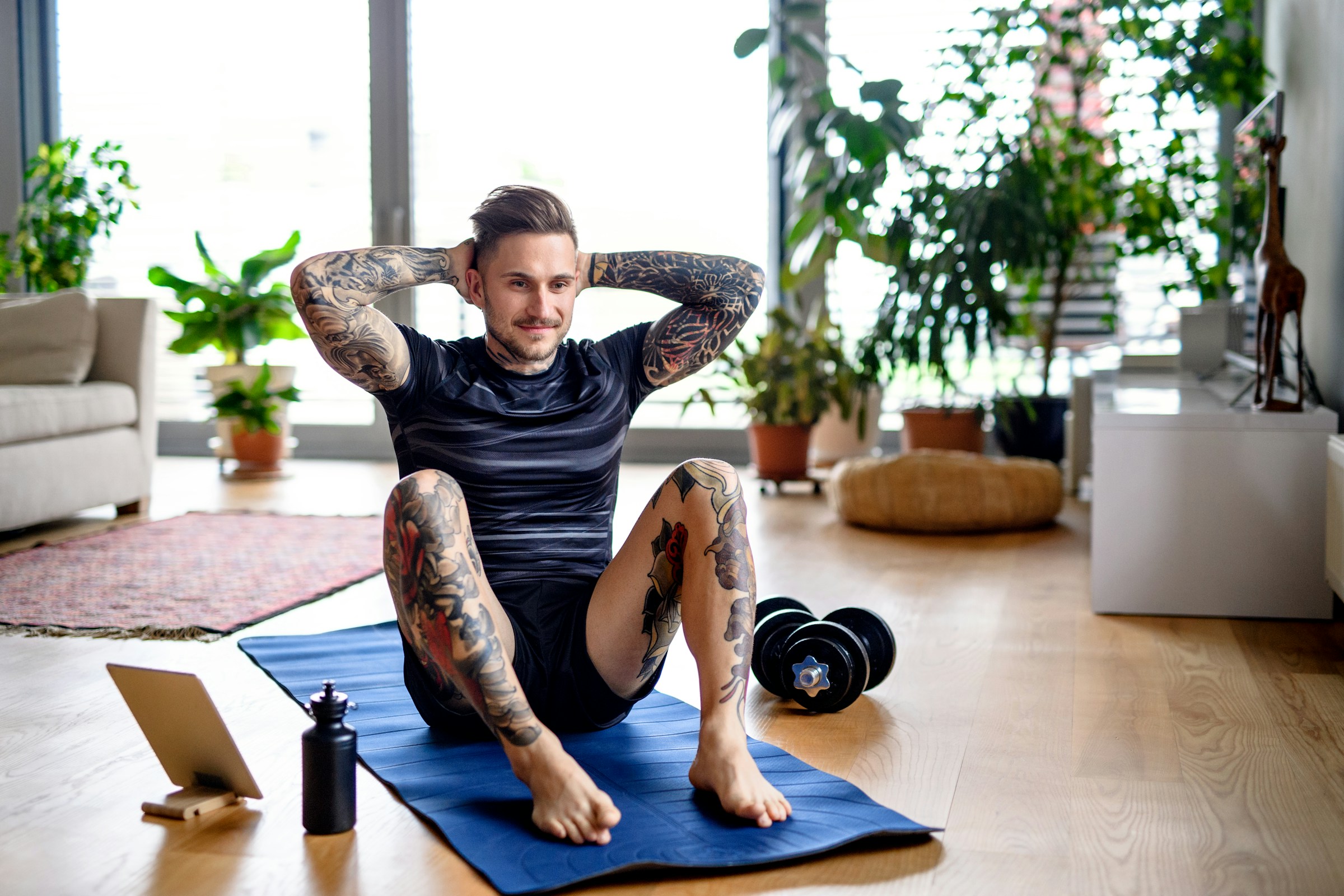
The Best Low-Impact Cardio You Can Do at Home
For years, cardio has been framed as something you either suffer through or avoid altogether. Long runs that beat up your joints, loud spin classes packed shoulder to shoulder, or crowded gyms where equipment is shared by dozens of people each day. For many, that version of cardio simply isn’t sustainable.

But low-impact cardio has quietly changed the conversation. It focuses on movements that elevate your heart rate without excessive strain on your joints, tendons, or lower back. And among all the options available today, rowing stands out as one of the most effective, balanced, and surprisingly accessible ways to get cardiovascular exercise at home.
Rowing delivers a rare combination of full-body engagement, joint friendliness, and efficiency. It works your legs, core, and upper body in a single, fluid motion, while allowing you to control intensity at every stage. And thanks to modern row machines, it’s now easier than ever to make rowing part of your daily routine without stepping foot in a gym.
Why Low-Impact Cardio Matters More Than Ever
Low-impact cardio isn’t about going easy. It’s about training smarter. High-impact workouts can be effective, but they often come with trade-offs like joint pain, overuse injuries, and burnout. Over time, these issues make consistency difficult, which is the most important factor in long-term fitness.
Rowing solves this problem by placing your body in a supported position while still demanding effort from major muscle groups. There’s no pounding on your knees, no repetitive impact on your ankles, and no jarring forces traveling up your spine. Instead, you generate power smoothly through each stroke.
This makes rowing ideal for a wide range of people, including beginners, those returning to exercise, individuals managing joint concerns, and even experienced athletes looking to balance their training.
What Makes Rowing a Full-Body Cardio Workout
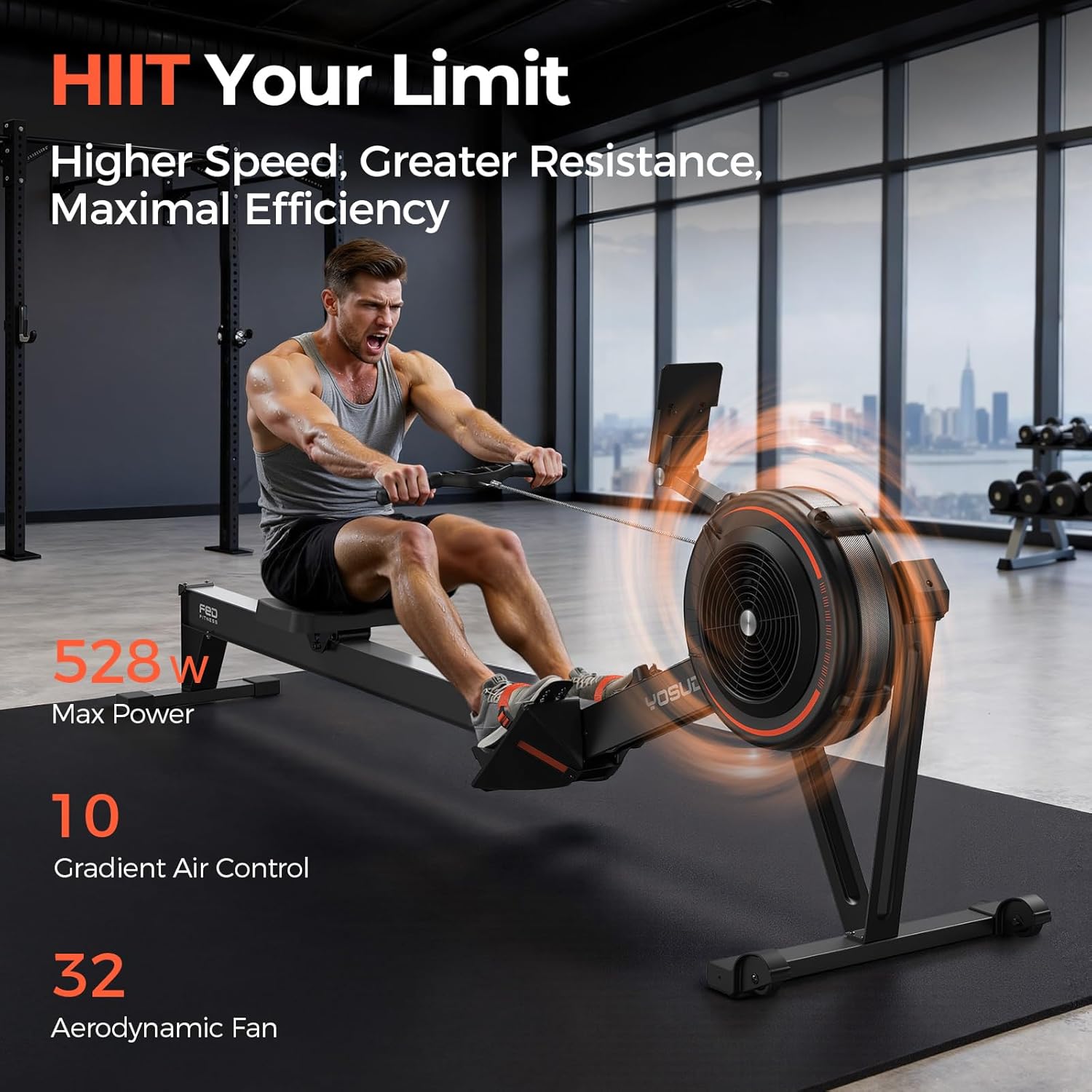
One of the biggest misconceptions about rowing is that it’s mostly an upper-body exercise. In reality, the majority of power in a proper rowing stroke comes from the legs and hips, followed by the core and then the arms.
Each stroke involves coordinated movement across the entire body. Your legs drive first, your core stabilizes and transfers force, and your upper body finishes the motion. This sequencing not only increases calorie burn, but also improves coordination, posture, and muscular balance.
Because rowing engages so many muscles at once, it elevates heart rate quickly while distributing effort across the body. This allows you to work hard without overloading any single joint or muscle group, which is one of the reasons rowing is often described as efficient cardio.
Why Rowing Is Easier to Stick With Long Term
The best workout is the one you actually do. Rowing tends to be more sustainable because it feels controlled rather than punishing. You can row slowly for steady endurance, or increase intensity for interval training, all without changing equipment.
Rowing also adapts well to different fitness levels. A beginner can start with short, relaxed sessions focused on technique, while more advanced users can push pace, resistance, and duration. There’s no pressure to keep up with a class or adjust to someone else’s settings.
This flexibility makes rowing an ideal long-term cardio solution, especially when done at home.
The Rise of At-Home Row Machines
Not long ago, rowing machines were bulky, loud, and mostly found in commercial gyms. Today’s home rowers are a completely different experience. Modern designs are quieter, smoother, more ergonomic, and easier to store.
Advances in resistance systems and monitoring technology have made home row machines feel closer to on-water rowing than ever before. Adjustable air resistance, self-powered monitors, and longer rails allow for a natural rowing motion without relying on electricity or complicated setups.
This shift has made rowing accessible to people who previously wouldn’t have considered it, especially those building simple, functional home gyms.
Why Having a Row Machine at Home Just Makes Sense
One of the biggest barriers to consistent cardio is friction. Getting dressed, driving to the gym, waiting for equipment, and navigating crowded spaces all add up. When cardio lives in your home, that friction disappears.
A home row machine allows you to work out on your schedule. Early mornings, short breaks, or quick evening sessions become realistic options. Even a 15- or 20-minute row can be effective, which makes it easier to stay consistent.
There’s also the hygiene factor. Gym equipment is shared by countless people, often cleaned inconsistently, and exposed to sweat, germs, and heavy use. At home, your equipment is yours alone. You control cleanliness, maintenance, and setup.
For many people, this alone is reason enough to move cardio into the home.
Comfort and Ergonomics Matter
Rowing should feel smooth, not awkward or uncomfortable. Ergonomic design plays a major role in whether a row machine feels inviting or frustrating.
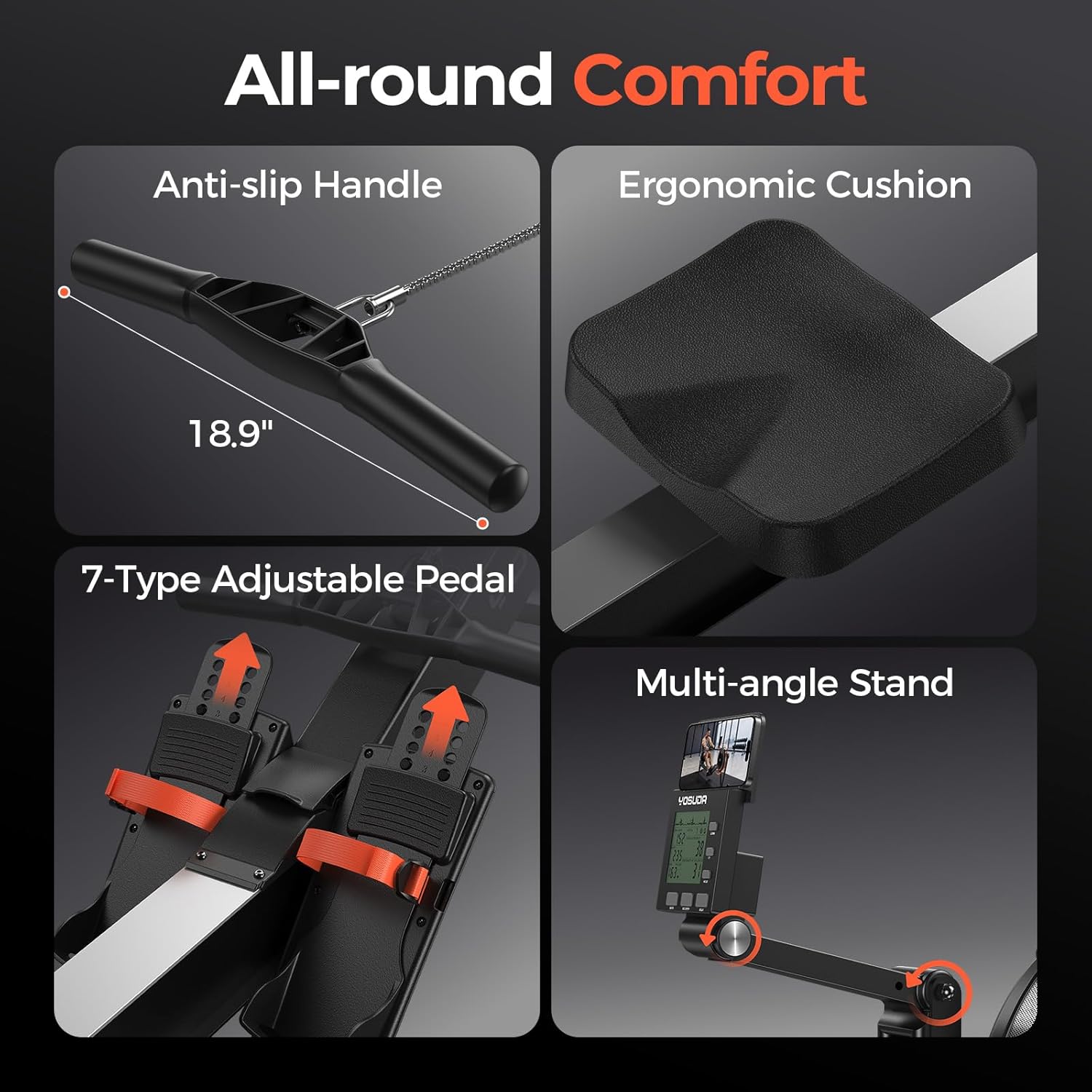
Features like a comfortable seat, a stable rail, and natural resistance response make rowing more enjoyable and reduce strain. Machines designed with proper rail length accommodate different heights and allow for full leg extension, which is essential for good form.
This is where newer home models stand out. For example, the YOSUDA R2 Rowing Machine is designed with a longer row rail and an ergonomic seat, making it suitable for a wide range of users while maintaining a natural rowing feel.
Adjustable Resistance for Every Fitness Level
One of the advantages of air resistance rowers is that resistance adjusts naturally based on how hard you pull. This makes workouts feel intuitive. If you want an easier session, you row at a relaxed pace. If you want intensity, you increase power.
Many modern row machines also allow for resistance adjustments that fine-tune airflow, giving users more control over how the machine responds. This flexibility makes rowing ideal for everything from steady-state cardio to interval training.
The YOSUDA R2 Rowing Machine uses adjustable air resistance paired with a self-powered monitor, allowing workouts to feel responsive without needing to plug the machine in. That simplicity fits well with a home environment.
Storage and Space Considerations
Space is often a concern with home fitness equipment, but many row machines are designed with storage in mind. Vertical storage options and compact footprints make it possible to keep a rower in a living room, bedroom, or garage without it dominating the space.
Easy storage removes another barrier to consistency. When equipment is simple to move and store, it’s more likely to be used regularly rather than becoming clutter.

Cardio Without the Gym Atmosphere
Gyms can be motivating for some, but draining for others. Loud music, crowded floors, waiting for machines, and shared spaces can make workouts feel stressful rather than restorative.
Rowing at home changes that dynamic completely. You can control the environment, the pace, and the experience. Whether you prefer silence, music, or a podcast, home rowing allows cardio to fit into your life rather than disrupting it.
This mental aspect matters. When workouts feel approachable and stress-free, they’re more likely to become habits rather than obligations.
Rowing for Longevity and Everyday Fitness
Rowing isn’t just about burning calories. It supports cardiovascular health, muscular endurance, and movement quality. Because it’s low-impact, it’s something many people can continue doing well into later stages of life.
That longevity aspect makes rowing especially appealing as a foundational cardio option. It doesn’t require constant recovery from impact, and it encourages good posture and controlled movement.
Final Thoughts
Low-impact cardio doesn’t have to mean low results. Rowing offers one of the most effective ways to improve cardiovascular fitness, build muscular endurance, and stay consistent without excessive wear and tear on the body.
Thanks to modern home row machines, rowing is more accessible than ever. The convenience of working out at home, the comfort of clean, personal equipment, and the ability to control intensity make rowing a practical solution for long-term fitness.
Well-designed options like the YOSUDA R2 Rowing Machine reflect how far home fitness equipment has come. Adjustable air resistance, ergonomic comfort, and easy storage make it easier to integrate cardio into everyday life.
If you’re looking for a sustainable, joint-friendly way to stay active without relying on crowded gyms or high-impact workouts, rowing remains one of the best choices you can make at home.