
Signs Your Home Has Too Much Humidity
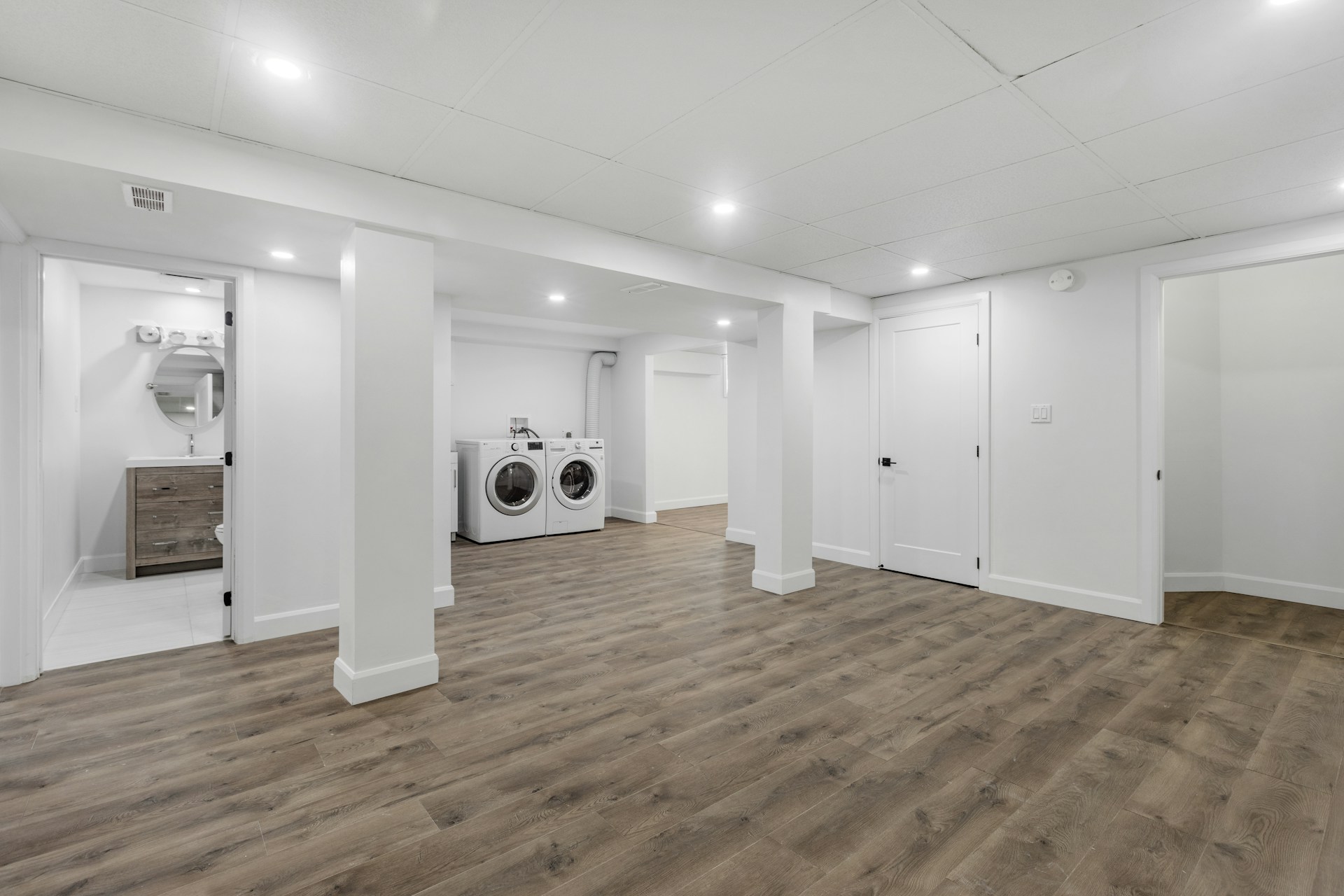
A home can look perfectly clean and still have a moisture problem.
High indoor humidity often builds gradually, especially in basements, bathrooms, laundry rooms, and other areas with limited airflow. At first, the signs can seem minor: a musty smell, condensation on a window, or a room that always feels a little damp.
Over time, however, excess moisture can make a home less comfortable and contribute to problems with odors, finishes, furnishings, and certain building materials.
Here are some of the most common signs that your home may be too humid.
1. Your Home Feels Damp or Sticky
One of the easiest signs to notice is simply how the air feels.
If a room feels muggy, sticky, or noticeably heavier than the rest of the house, humidity may be too high.
Basements are especially prone to this because they tend to stay cooler and can have less natural ventilation than the main living areas.
You may also notice that clothing, bedding, cardboard boxes, or stored belongings feel slightly damp even though there has not been an obvious leak.
2. You Notice a Persistent Musty Smell
A musty odor is often one of the first clues that moisture is lingering somewhere.
The smell may be strongest in basements, closets, bathrooms, laundry rooms, or storage areas.
Cleaning can temporarily improve the odor, but if it continues coming back, the underlying problem may be excess moisture rather than surface dirt.
Pay attention to areas that remain closed for long periods or do not receive much airflow.
3. Condensation Keeps Appearing on Windows
Occasional window condensation does not necessarily mean something is wrong, especially when there is a large temperature difference between indoors and outdoors.
Frequent condensation, however, can be a sign that the indoor air is carrying a lot of moisture.
You may notice water collecting around window frames, glass doors, pipes, or other cooler surfaces.
If moisture repeatedly sits against trim, drywall, or wood, it is worth addressing rather than simply wiping it away every morning.
4. You See Mold or Mildew Developing
Visible mold or mildew is one of the clearer signs that moisture needs attention.
It may appear around windows, bathroom ceilings, basement walls, closets, or behind furniture placed against exterior walls.
Humidity is not the only possible cause, so any plumbing leaks, roof leaks, drainage problems, or water intrusion should be investigated separately.
A dehumidifier can help manage moisture in the air, but it should not be used as a substitute for repairing an active water problem.
5. Your Basement Never Seems Completely Dry
Basements frequently have higher humidity than the rest of the home.
If yours constantly smells damp, feels clammy, or develops moisture on walls and floors, controlling humidity can make the space much more usable.
This matters even if the basement is primarily used for storage.
Boxes, furniture, tools, seasonal decorations, and other belongings can all be affected by prolonged exposure to damp conditions.
6. Consider a Large-Capacity Dehumidifier
Once leaks and other direct sources of water have been ruled out, a dehumidifier can be one of the simplest ways to manage excessive indoor moisture.
For larger spaces, it is important to choose a unit with enough capacity for the area you are trying to control.
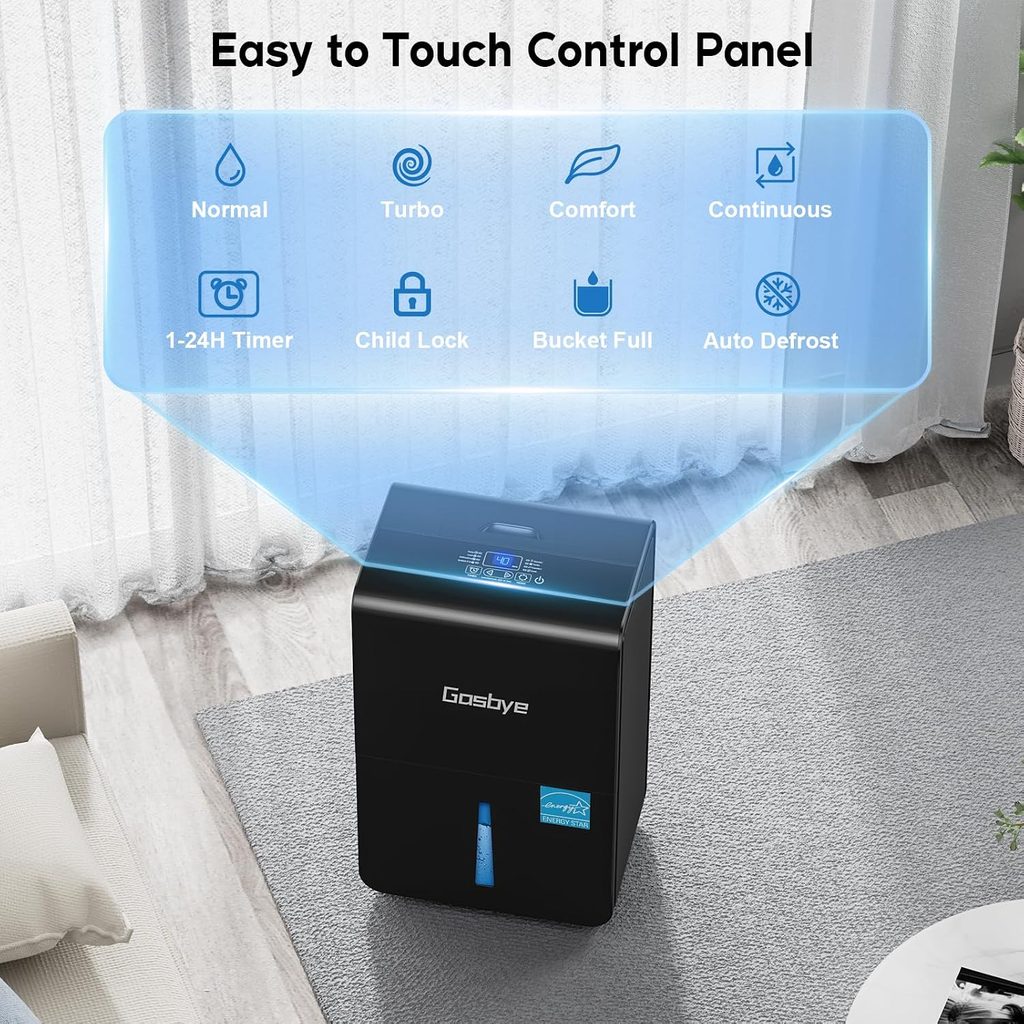
One option worth considering is the Gasbye 6000 Sq. Ft. 2026 Energy Star Dehumidifier for Basement, which is designed for large spaces and is rated for up to 115 pints per day under its maximum operating conditions.
That larger capacity makes it a more practical option for basements and other substantial areas where a small portable unit may struggle to keep up.
The Energy Star designation can also be useful for a device that may need to operate regularly during humid periods.
For homeowners dealing with persistent basement humidity, choosing a unit sized appropriately for the space can make moisture control far easier than relying on a smaller machine that has to run constantly without making much progress.
As with any dehumidifier, actual moisture removal will depend on room conditions such as temperature and humidity level, so it is important to compare the unit’s specifications with your particular space.
7. Wood, Paint, or Other Materials Start Changing
High moisture levels can also show up in the materials around your home.
You may notice wood swelling, doors becoming harder to close, paint peeling, wallpaper lifting, or certain surfaces beginning to warp.
Those problems can have multiple causes, but excess humidity is one possibility worth checking.
Catching the issue early is much easier than dealing with damaged finishes later.
8. Towels and Laundry Take Too Long to Dry
If towels remain damp for hours or laundry takes unusually long to air-dry indoors, the surrounding air may already contain a significant amount of moisture.
Bathrooms and laundry rooms naturally create humidity, so ventilation is particularly important in those areas.
Use exhaust fans when available and make sure dryer vents are functioning properly.
If the entire lower level of the home stays humid, a larger dehumidifier may be more effective than trying to address each room individually.
9. Use a Hygrometer Instead of Guessing
The easiest way to know whether your home is actually humid is to measure it.
An inexpensive digital hygrometer can show the relative humidity in a room and help you determine whether the problem is temporary or persistent.
It can also help you see whether ventilation or a dehumidifier is actually improving conditions.
This is much more reliable than judging humidity only by how the air feels.
Final Thoughts
High humidity is easy to ignore because it often develops slowly.
Musty odors, condensation, damp rooms, mildew, slow-drying fabrics, and changes to wood or finishes can all be signs that there is too much moisture in the air.
Start by checking for leaks and other sources of water. Improve ventilation where possible, and measure the humidity so you know what you are dealing with.
For larger areas such as basements, a high-capacity option like the Gasbye 6000 Sq. Ft. 2026 Energy Star Dehumidifier can be worth considering when you need more moisture-removal capability than a small room unit can provide.
The earlier you deal with persistent humidity, the easier it is to keep the home feeling dry, comfortable, and easier to maintain.