
How to Set Up Your Garage for Level 2 EV Charging
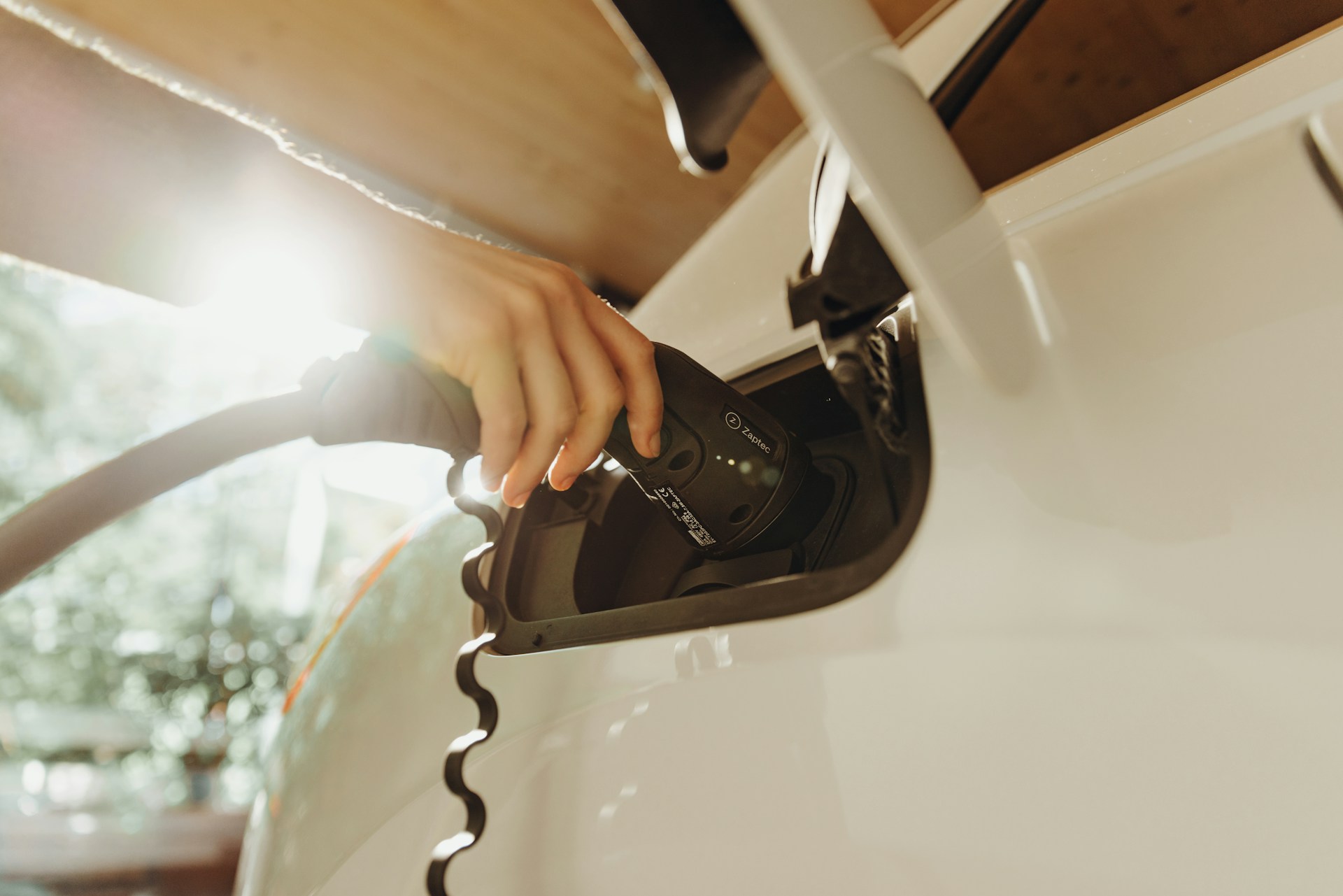
One of the biggest benefits of owning an electric vehicle is being able to charge at home. Instead of relying on public charging stations, you can plug in when you get home and start the next day with more range.
For many EV owners, the biggest home upgrade is moving from a standard outlet to a 240V Level 2 charging setup. Here are the main things to consider before setting one up in your garage.
1. Choose the Best Charging Location
Start by thinking about where your vehicle normally parks and where its charging port is located.
Ideally, the charger should be positioned so the cable easily reaches the vehicle without being stretched across the garage or becoming a tripping hazard.
If you have a two-car garage, also consider whether you may eventually need to charge a second EV or reach a vehicle parked outside.
A little planning now can make the setup much more convenient later.
2. Understand the Advantage of Level 2 Charging
Standard household outlets can work for EV charging, but they are relatively slow.
Level 2 charging uses a 240V electrical circuit, allowing compatible vehicles to charge considerably faster. For someone who drives regularly, this can make overnight charging much more practical.
Actual charging speed depends on the vehicle, charger, and electrical setup, but Level 2 is generally the more convenient choice for everyday home charging.
3. Decide Between Hardwired and Plug-In
There are two common ways to install a Level 2 charger.
A hardwired charger connects directly to the home’s electrical system. It creates a clean, permanent installation and can be a good choice if you are installing a completely new charging circuit.
A plug-in charger connects to a compatible 240V receptacle instead. This makes the charger easier to disconnect, replace, or take with you later.
Neither option is automatically better. The right choice depends on your garage, electrical system, and how permanent you want the installation to be.
4. Have a NEMA 14-50 Outlet? Consider a Plug-In Charger
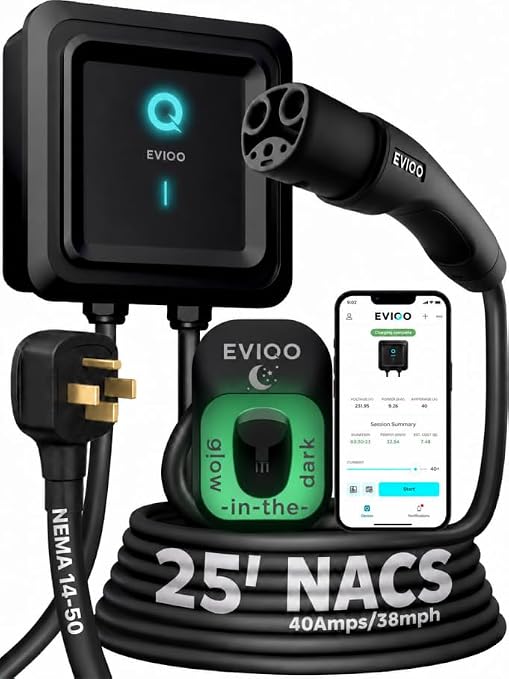
If your garage already has a properly installed 240V NEMA 14-50 outlet, a plug-in Level 2 charger can be especially convenient.
One option worth considering is the Tesla Level 2 Charger NACS 40A – Plug-in NEMA 14-50 240V Level 2 EV Charger.
Instead of permanently wiring the charging unit into the house, this model plugs into a compatible NEMA 14-50 receptacle and provides up to 40A Level 2 charging for compatible NACS-equipped vehicles.
That makes it a practical choice if you already have the correct outlet or plan to have one professionally installed.
A plug-in design also gives you more flexibility. If you replace the charger, rearrange the garage, or move, the unit can be disconnected more easily than a permanently hardwired setup.
Just make sure you actually have a NEMA 14-50 receptacle. Not every 240V outlet uses the same plug configuration.
5. Make Sure Your Electrical System Is Ready
EV charging places a significant continuous load on your electrical system, so the circuit needs to be properly sized.
For a 40A charger, the wiring, breaker, receptacle, and panel all need to be suitable for the load.
If you already have a NEMA 14-50 outlet, it is still worth having it checked before using it for regular EV charging—especially if you do not know who installed it or what it was originally intended to power.
A qualified electrician can verify the circuit, connections, grounding, receptacle, and available panel capacity.
This is one area where it is better not to guess.
6. Check Vehicle Compatibility
Before buying any home charger, make sure the connector works with your vehicle.
The charger above uses NACS, the connector associated with Tesla and now used by a growing number of EV manufacturers.
You should also check how much AC charging power your vehicle can accept. A charger cannot force the vehicle to charge faster than its onboard charging system allows.
7. Keep the Cable Organized
Once everything is installed, make the setup easy to use every day.
A wall-mounted cable holder or hook can keep the charging cable off the garage floor and reduce clutter.
Ideally, charging should become a simple routine: park, plug in, and walk inside.
The easier the setup is to use, the more useful home charging becomes.
Hardwired or Plug-In?
If you are starting from scratch and want a permanent installation, a hardwired charger may make sense.
If you already have the proper 240V outlet—or want something easier to remove later—a plug-in model can be a very convenient alternative.
For someone with a compatible NEMA 14-50 setup, the Tesla Level 2 Charger NACS 40A Plug-in model offers a straightforward way to add faster home charging without permanently wiring the charging unit itself into the house.
With the right electrical setup, compatible equipment, and a little planning, your garage can become your primary charging station and make everyday EV ownership much more convenient.