
Practical Vehicle Alternatives for Short Trips
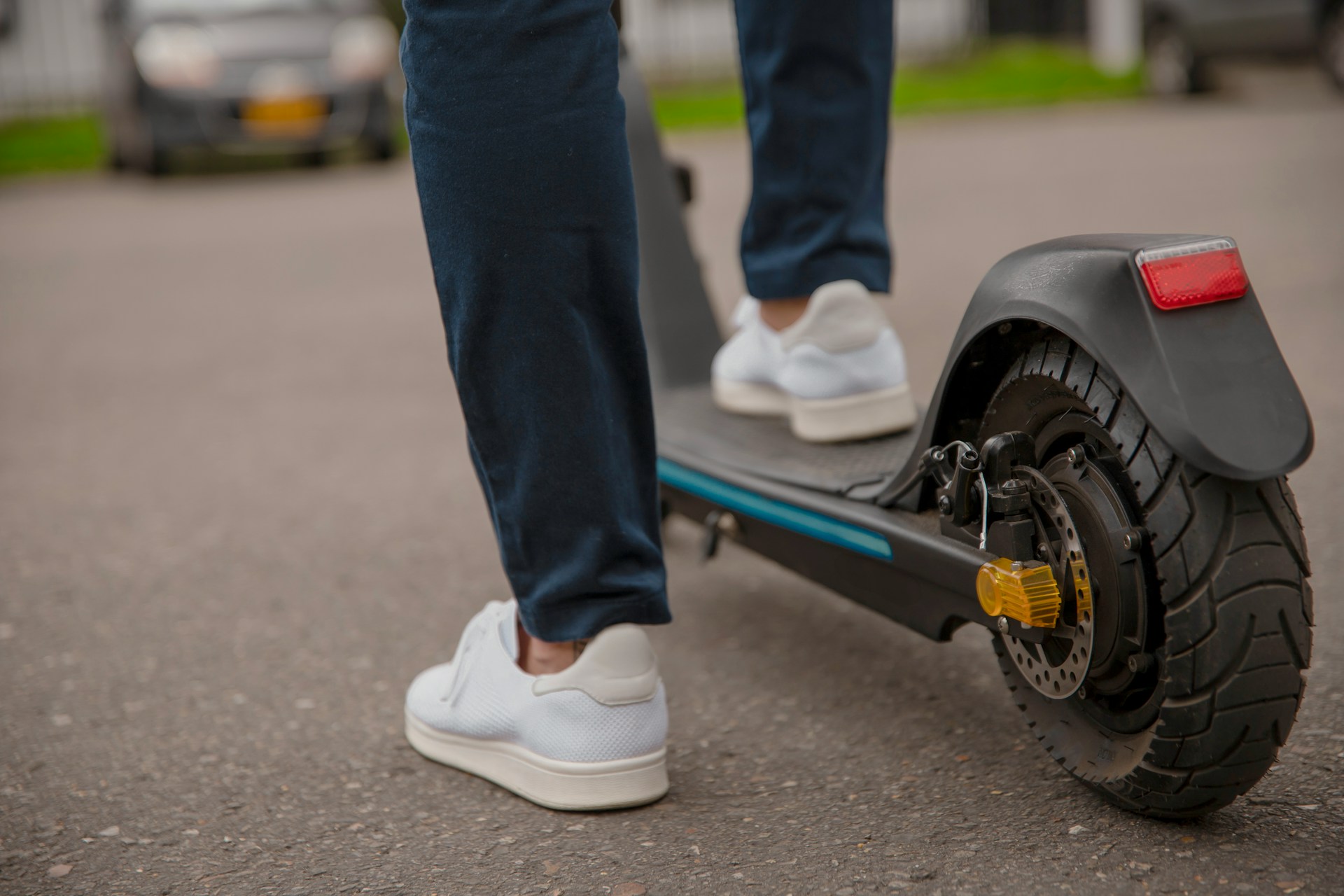
Not every trip needs a car. Driving may still be the easiest option for longer distances, bad weather, or transporting several people, but many everyday trips are surprisingly short. Picking up a few groceries, visiting a nearby coffee shop, commuting a few miles to work, or heading to a neighborhood park can sometimes involve more time parking than actually getting there.
That is why smaller transportation options have become increasingly practical. Walking, bicycles, public transportation, e-bikes, and electric scooters can all make sense depending on where you live and how far you need to travel.
For people looking to cut down on unnecessary car trips, here are some practical alternatives worth considering.
1. Walking for the Shortest Trips
Walking is still one of the simplest transportation options available.
If your destination is only a few blocks away, getting into a car, driving there, finding parking, and driving home can feel unnecessary. Walking eliminates fuel costs and parking concerns while adding a little more movement to your day.
It works especially well for quick trips to nearby restaurants, parks, convenience stores, coffee shops, or neighborhood businesses.
Of course, walking becomes less practical once the distance increases or when you need to carry groceries, packages, or other items. That is where having another transportation option can become useful.
2. Traditional Bicycles
A bicycle dramatically expands the distance you can comfortably cover compared with walking while still being relatively inexpensive to use.
For people living in bike-friendly areas, a bicycle can work well for commuting, exercise, errands, and casual weekend trips. It can also be easier to park and store than a car.
The biggest drawback is that traditional bicycles require more effort, especially when dealing with hills, hot weather, or longer distances.
That is one reason electrically assisted transportation has become such an appealing middle ground.
3. Electric Bikes
E-bikes combine many of the advantages of traditional bicycles with electric assistance.
Instead of relying entirely on your legs, the motor can provide assistance while riding, making longer distances, hills, and everyday commuting feel more manageable.
That makes e-bikes especially useful for people who like the idea of cycling but do not necessarily want every trip to become a workout.
Depending on the design, many e-bikes can also carry groceries, bags, or other cargo, making them practical for more than recreation.
For someone with a short or moderate commute, an e-bike can be one of the most versatile alternatives to driving.
4. Seated Electric Scooters
Electric scooters can be another practical option, especially for shorter trips and last-mile transportation.
For people who prefer sitting rather than standing, seated models can make longer neighborhood rides feel much more comfortable.
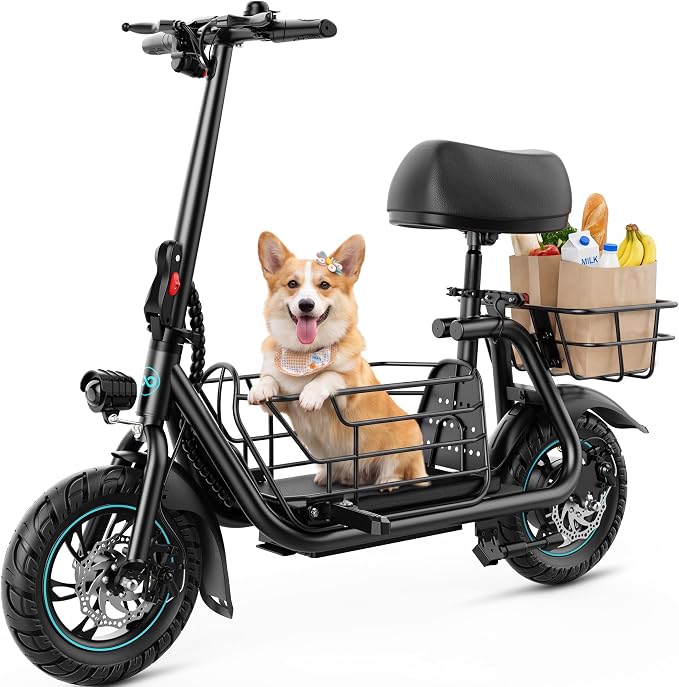
One option we like is the Gyroor C1S Electric Scooter with Seat. It features a 550W motor, speeds up to 19 MPH, and a stated range of up to 20 miles.
It also includes an adjustable seat, 12-inch tires, built-in storage, a rear cargo rack, lighting, dual disc brakes, and a foldable design. Those features make it a practical choice for errands, short commutes, or neighborhood trips.
5. Public Transportation
Buses, trains, and other forms of public transportation remain some of the most efficient ways to get around, especially in larger cities.
The biggest advantage is that you do not have to worry about driving, parking, fuel, or many of the other expenses associated with owning a vehicle.
Public transportation can also work especially well when combined with another form of transportation.
For example, you might take a bus or train for the longest part of your commute and then walk, bike, or use a compact electric vehicle for the final stretch.
This type of combination can make public transportation much more convenient than relying on it alone.
6. Carpooling
Sometimes the best alternative to driving is simply sharing the ride.
Carpooling can reduce the number of vehicles needed for commuting, school drop-offs, events, or other regular trips.
If coworkers live in the same area, rotating who drives can help everyone reduce fuel costs and mileage on their vehicles.
It may not offer the same flexibility as having your own transportation, but for predictable schedules it can be one of the easiest changes to make.
7. Rideshare for Occasional Trips
Rideshare services can also make sense when you only need a vehicle occasionally.
Someone who works from home, lives near public transportation, and handles most daily errands on foot or by bike may not need to use a car very often.
In those situations, paying for an occasional ride may be more practical than driving for every short trip.
Rideshare can also be useful when going somewhere where parking is limited or expensive.
It is not necessarily the cheapest solution for daily commuting, but it can be a helpful part of a more flexible transportation routine.
8. Combine Different Transportation Options
You do not necessarily have to choose one transportation method and use it for everything.
In fact, the most practical approach is often using different options depending on the trip.
You might walk to a nearby coffee shop, use an e-bike for a longer neighborhood trip, take public transportation into the city, and still use your car for longer drives.
Thinking this way makes alternative transportation much easier to adopt.
You are not trying to replace every car trip. You are simply choosing the option that makes the most sense for each situation.
Consider What You Actually Need for the Trip
Before grabbing your car keys, think about what the trip actually requires.
How far are you going?
Do you need to carry anything?
Is there safe infrastructure for walking or biking?
Will parking be difficult once you arrive?
Could a smaller vehicle get you there just as easily?
For short trips, the answer is often yes.
That can be especially true in busy neighborhoods where finding parking or navigating traffic makes driving less convenient than expected.
You Probably Do Not Need to Replace Your Car
Using alternative transportation does not have to mean giving up your vehicle.
For most people, the more realistic goal is simply replacing some car trips.
If you make several trips each week that are only a few miles long, perhaps a few of those could be handled by walking, biking, riding an e-bike, using an electric scooter, or taking public transportation.
Even occasionally choosing a different option can reduce unnecessary driving and give you more flexibility.
Final Thoughts
Cars are incredibly useful, but they are not always the most practical tool for every journey.
For short-distance travel, walking, bicycles, e-bikes, electric scooters, public transportation, rideshare, and carpooling can all be useful alternatives.
The best choice depends on where you live, how far you are traveling, and what you need to bring with you.
Instead of thinking about alternative transportation as replacing your car completely, think of it as adding more options. Having several ways to get around can make short trips easier, more convenient, and sometimes more enjoyable.