
How to Avoid Skin Irritation and Razor Burn
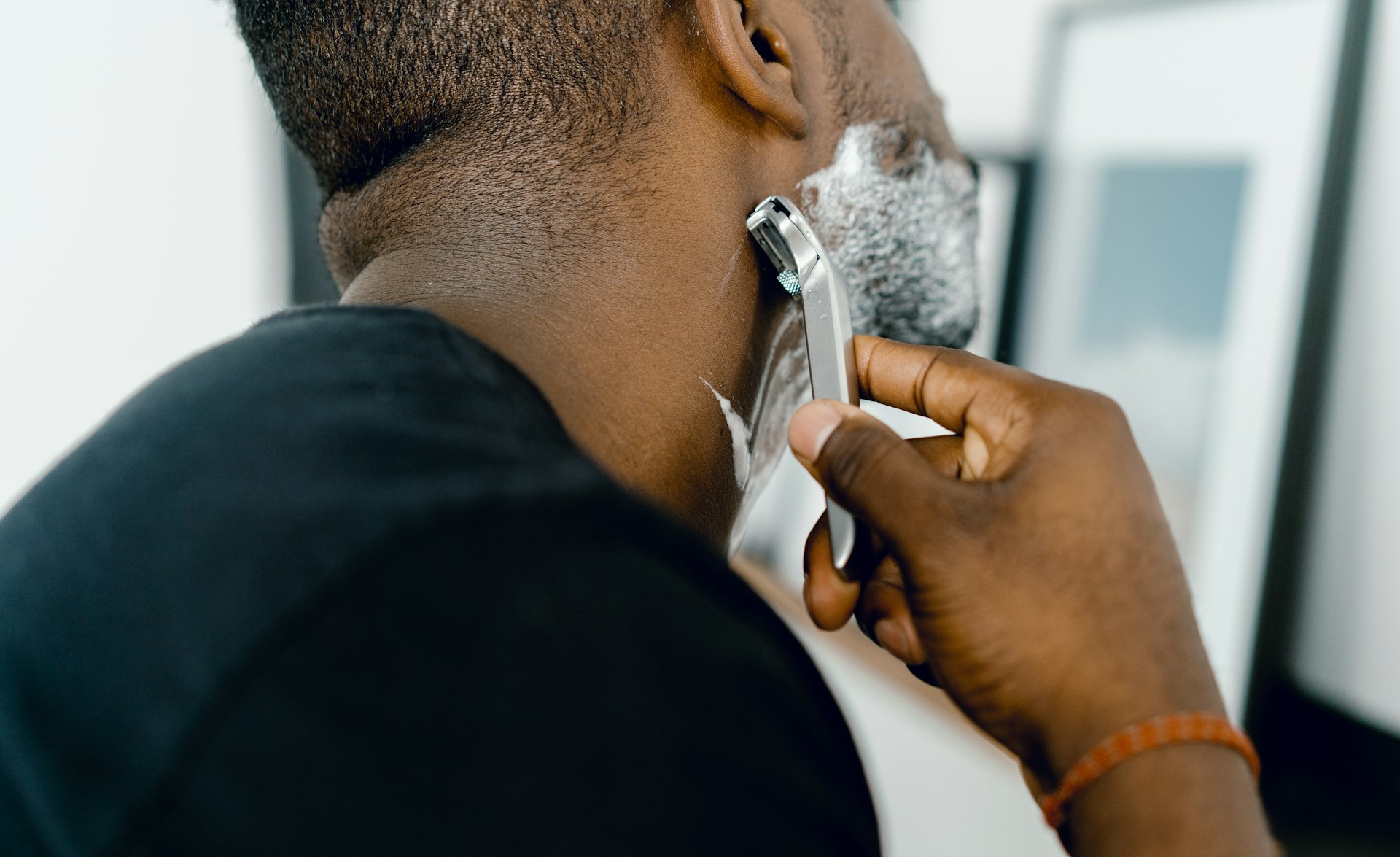
Skin irritation and razor burn are two of the most common frustrations people experience when shaving. Redness, stinging, bumps, or a burning sensation can turn what should be a simple grooming routine into an uncomfortable daily problem. The good news is that razor burn isn’t inevitable. In most cases, it’s caused by small mistakes in preparation, technique, or product choice that can be easily corrected.

Avoiding irritation isn’t about shaving less or settling for a rough result. It’s about understanding how your skin reacts to shaving and building a routine that protects it. With the right approach, you can get a close, clean shave without sacrificing comfort.
What Causes Razor Burn and Skin Irritation?
Razor burn happens when the skin’s protective barrier becomes irritated during shaving. This irritation can show up immediately or hours later and is often caused by friction, pressure, or improper technique.

Some of the most common causes include shaving on dry skin, using dull blades, applying too much pressure, shaving against the grain without preparation, or skipping proper aftercare. Sensitive skin tends to react more strongly, but even resilient skin can become irritated if it’s repeatedly stressed.
Understanding the cause is the first step toward preventing it.
Start With Proper Skin Preparation
One of the biggest mistakes people make is rushing into shaving without preparing their skin. Hair and skin that haven’t been softened require more pressure from the razor, which increases friction and irritation.
Before shaving, wash your face or body with warm water. This helps open pores slightly and soften the hair, making it easier to cut cleanly. Shaving immediately after a shower can be especially helpful because the heat and moisture naturally prepare the skin.
Using a gentle cleanser beforehand removes oil, dirt, and dead skin cells that can interfere with the razor’s glide.
Always Use a Quality Shaving Cream or Gel
Dry shaving or using minimal lubrication is a guaranteed way to cause irritation. A good shaving cream or gel creates a protective layer between your skin and the blade, reducing friction and allowing the razor to glide smoothly.

Look for formulas that hydrate the skin and provide cushion rather than those that feel thin or watery. This is especially important for people who shave frequently or have sensitive skin.
High-quality razors, like those from Gillette, are designed to work best when paired with proper lubrication, allowing the blades to cut hair efficiently without tugging or scraping the skin.
Choose the Right Razor for Your Skin
The razor you use matters more than many people realize. Dull blades require more pressure and repeated passes, both of which increase irritation. Using a razor with sharp, well-designed blades allows you to get a closer shave with fewer strokes.

Modern multi-blade razors are designed to distribute pressure evenly across the skin, which helps reduce stress on any one area. This is particularly useful for areas prone to irritation like the neck or jawline.
Equally important is replacing your blades regularly. Even the best razor can cause irritation if the blade is worn down.
Use a Light Touch and Let the Razor Do the Work
Pressing too hard is one of the fastest ways to irritate your skin. Many people assume that more pressure equals a closer shave, but the opposite is usually true.
A sharp razor should glide across the skin with minimal effort. Use short, gentle strokes and rinse the blade often to prevent buildup. If you feel resistance, it’s a sign the blade may be dull or the skin isn’t properly lubricated.
Shaving should feel controlled and smooth, not forced.
Shave With the Grain First
Shaving against the grain can give a closer result, but it also increases the likelihood of razor burn and ingrown hairs, especially for sensitive skin.
For most people, it’s best to start by shaving in the direction the hair naturally grows. This reduces resistance and minimizes irritation. If you want a closer shave, you can do a second, lighter pass across the grain once the hair is shortened and the skin is already accustomed to the blade.
Avoid aggressive against-the-grain passes unless your skin tolerates it well.
Don’t Over-Shave the Same Area
Repeatedly shaving over the same spot can strip away the skin’s natural oils and damage its protective barrier. This often leads to redness, bumps, and lingering irritation.
Try to limit each area to one or two passes. If hair remains, reapply shaving cream before making another pass instead of shaving dry skin.
This is where sharp, efficient razors make a noticeable difference, as they reduce the need for repeated strokes.
Rinse With Cool Water After Shaving
After shaving, rinse your skin with cool water to help calm irritation and close pores. This can reduce redness and soothe any minor inflammation caused by the razor.
Avoid scrubbing the skin with a towel afterward. Instead, gently pat it dry to prevent additional irritation.
Use a Gentle, Alcohol-Free Aftershave or Moisturizer
Post-shave care is just as important as preparation. After shaving, your skin is more vulnerable and needs hydration to recover properly.
Choose an alcohol-free aftershave or moisturizer that soothes and hydrates without stinging. Ingredients like aloe vera, glycerin, or soothing botanical extracts can help restore the skin barrier and reduce redness.
Skipping aftercare often leads to dryness, tightness, and prolonged irritation.
Give Your Skin Time to Recover
If you experience frequent irritation, shaving every single day may be too much for your skin. Giving your skin an extra day to recover can make a significant difference.
When daily shaving is necessary, focusing on gentle technique and high-quality tools becomes even more important. Many people find that improving their routine allows them to shave more often without discomfort.
Watch for Ingrown Hairs
Ingrown hairs often accompany razor burn and are caused when shaved hair curls back into the skin. This is more common with curly or coarse hair.
Exfoliating gently a few times a week can help prevent ingrown hairs by keeping pores clear. Be careful not to exfoliate immediately before shaving, as this can increase sensitivity.
Maintaining a proper shaving angle and avoiding excessive pressure also helps prevent hairs from becoming trapped beneath the skin.
Build a Simple, Consistent Routine
The key to irritation-free shaving isn’t using dozens of products. It’s consistency. A simple routine that focuses on preparation, proper tools, and aftercare is far more effective than constantly switching methods.
- Cleansing and warming the skin
- Applying a quality shaving cream or gel
- Using a sharp, well-designed razor
- Shaving with light pressure and controlled strokes
- Finishing with soothing hydration
Over time, your skin adapts to a routine that treats it gently and predictably.
Why the Right Razor Makes a Difference
Many people blame their skin when shaving causes irritation, but the issue is often the razor itself. A razor that tugs, skips, or requires excessive pressure puts unnecessary stress on the skin.
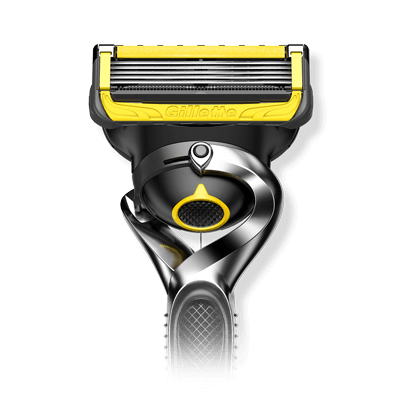
Well-engineered razors, such as those designed by Gillette, are built to deliver a close shave while minimizing friction. When paired with good technique, they can significantly reduce the likelihood of razor burn, especially for people who shave frequently or have sensitive skin.
Final Thoughts
Razor burn and skin irritation don’t have to be part of your routine. In most cases, they’re the result of avoidable habits rather than unavoidable skin issues.
By preparing your skin properly, using sharp and reliable razors, shaving with a light touch, and caring for your skin afterward, you can dramatically improve your shaving experience. Small changes in technique often lead to big improvements in comfort.
A good shave should leave your skin feeling smooth and refreshed, not irritated or sore. With the right approach, shaving can become a routine you don’t dread—and one your skin actually tolerates well.