How to Choose the Right Grow Light for Growing Plants Indoors
Growing plants indoors has become more popular than ever. From houseplants and indoor herb gardens to vegetables and seedlings, more people are discovering that they can create healthy growing environments right inside their homes. The key to success, however, is understanding one essential element: grow light quality and consistency.
When natural sunlight is limited or inconsistent, grow lights become the foundation of indoor plant health. But not all grow lights are the same. Choosing the right one can determine whether plants simply survive or truly thrive.
If you are new to indoor gardening or looking to improve your setup, understanding how grow lights work and what features matter most can make a huge difference.
Why Grow Lights Matter for Indoor Plants
Plants rely on light for photosynthesis, the process that allows them to convert energy into growth. Outdoors, sunlight provides the full range of wavelengths plants need. Indoors, windows rarely deliver enough consistent light to support healthy growth, especially in winter or in rooms without direct sun.
Indoor grow lights fill that gap. They provide controlled, reliable lighting that allows plants to grow year-round regardless of weather or daylight hours.

This makes grow lights ideal for:
- Keeping houseplants healthy in low light rooms
- Growing herbs and vegetables indoors
- Starting seedlings before transplanting outdoors
- Maintaining plants through winter months
- Supporting hydroponic and greenhouse setups
With the right grow light, indoor gardening becomes predictable, efficient, and far more rewarding.
Understanding the Different Types of Grow Lights
Before choosing a grow light, it helps to understand the main categories available.
Fluorescent Grow Lights
Fluorescent lights are often used for seedlings and small plants. They are affordable and energy efficient, but they typically lack the intensity needed for flowering or fruiting plants.
High Intensity Discharge Lights
These include metal halide and high pressure sodium lights. They are powerful and commonly used in commercial growing, but they produce significant heat and consume more energy. They often require ventilation and more complex installation.
LED Grow Lights
LED grow lights have become the preferred option for most home growers. They are energy efficient, produce very little heat, and can be designed to deliver specific wavelengths plants need at every stage of growth.
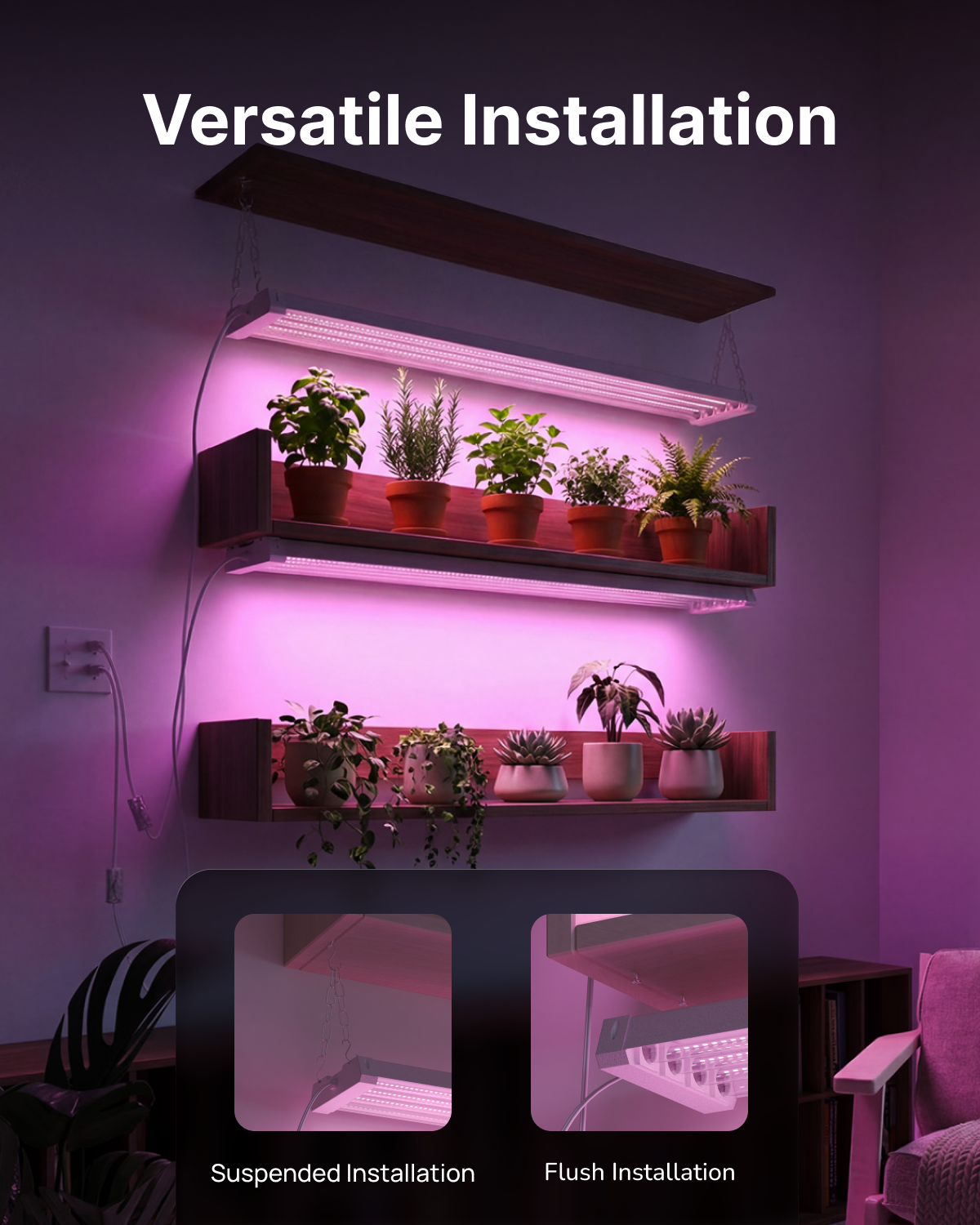
Modern LED grow lights are also compact, long lasting, and easy to install, making them ideal for home use.
Why Full Spectrum Lighting Is So Important
One of the most important features to look for in a grow light is full spectrum output.
Full spectrum grow lights are designed to mimic natural sunlight by providing a wide range of wavelengths that support every stage of plant development. This includes blue light for vegetative growth and red light for flowering and fruiting.
Serious growers know that full spectrum fixtures allow plants to grow more naturally and more efficiently. They can:
- Improve overall plant health
- Promote stronger stems and fuller foliage
- Enhance flowering and blooming
- Support cloning, vegging, and seeding stages
- Accelerate growth and increase yields
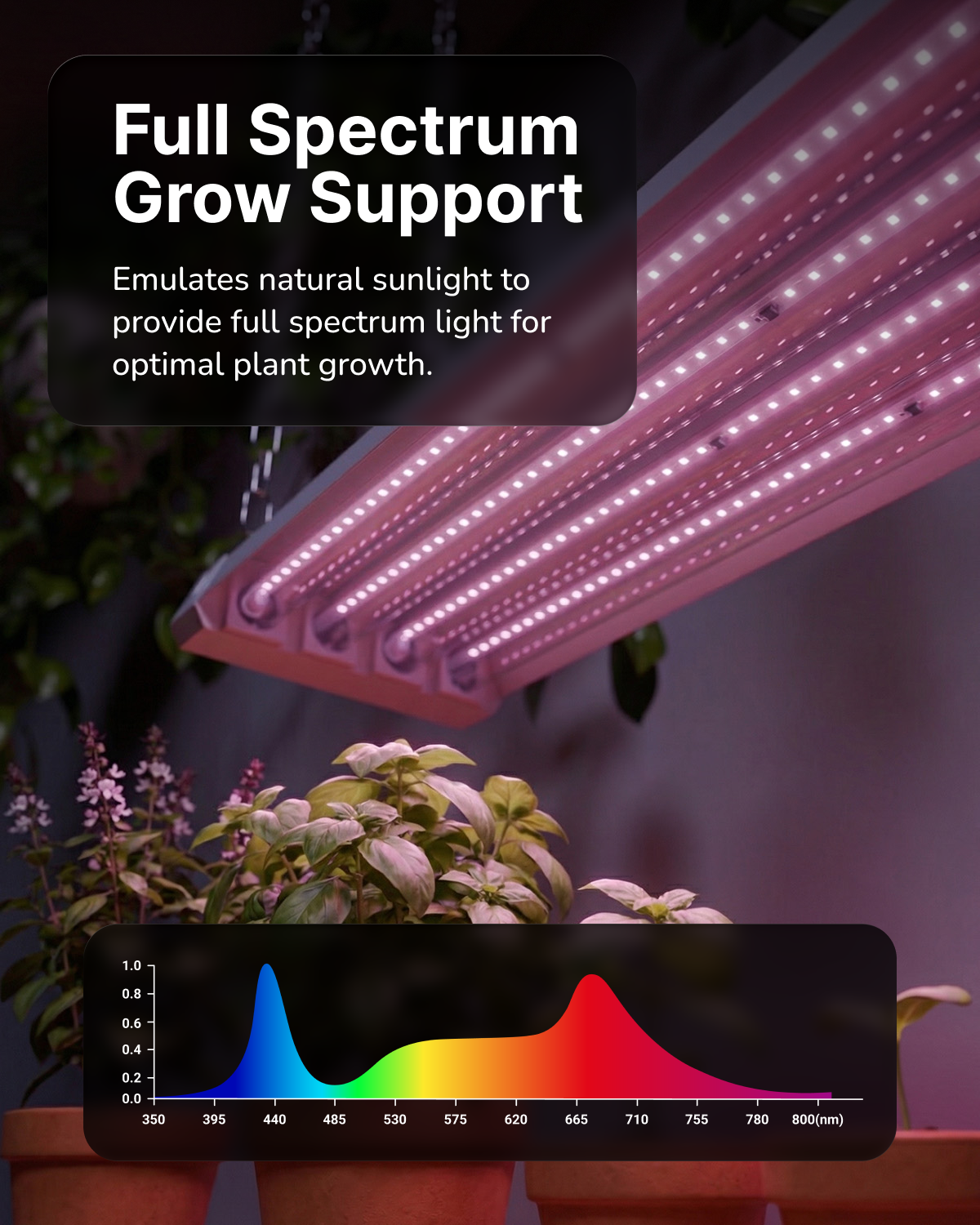
This is where products like Sunco grow lights stand out. Their full spectrum LED fixtures are designed to promote plant growth during all stages. Whether you are starting seeds, maintaining leafy greens, or encouraging blooms, a single full spectrum fixture can support the entire lifecycle.
Sunco’s full spectrum grow lights also deliver impressive brightness, with models offering around 4000 lumens while drawing only 80 watts of power.
Many modern LED fixtures, including those from Sunco, are available in multiple sizes and watts.
Another often overlooked factor is beam angle.
Sunco grow lights are designed with a 120 degree beam angle, which provides broad, even coverage.
Damp rated grow lights are designed to operate safely in environments with higher humidity.
The best fixtures are designed to be plug and play.
Many models also feature a 5 foot plug-in cord and a 24 inch pull chain switch.
For larger setups, Sunco fixtures can be linked together up to four fixtures.
Sunco fixtures are engineered for up to 50,000 hours of use.
Certifications such as ETL, FCC, and RoHS indicate quality standards.
Sunco grow lights are also backed by a three year warranty.
Use timers to maintain consistent light cycles.
The best grow lights combine full spectrum output and 120 degree beam angles.