
Easy Guitar Upgrades You Can Do at Home That Make a Difference

Every guitarist has had that moment when your playing feels just a little off, when bends buzz instead of singing, or when your frets feel rough under your fingers. The good news is that many of the most noticeable guitar improvements do not require a full trip to the repair shop. With the right tools, a steady hand, and a bit of patience, you can make a few simple upgrades at home that completely change how your instrument feels and sounds.
From fixing sharp fret edges to dialing in your nut slots, these are the kinds of adjustments that make your guitar feel like a custom shop model. If you use the proper tools and take your time, the difference will be instantly noticeable every time you pick it up.
1. Smooth Out Sharp or Sprouted Frets
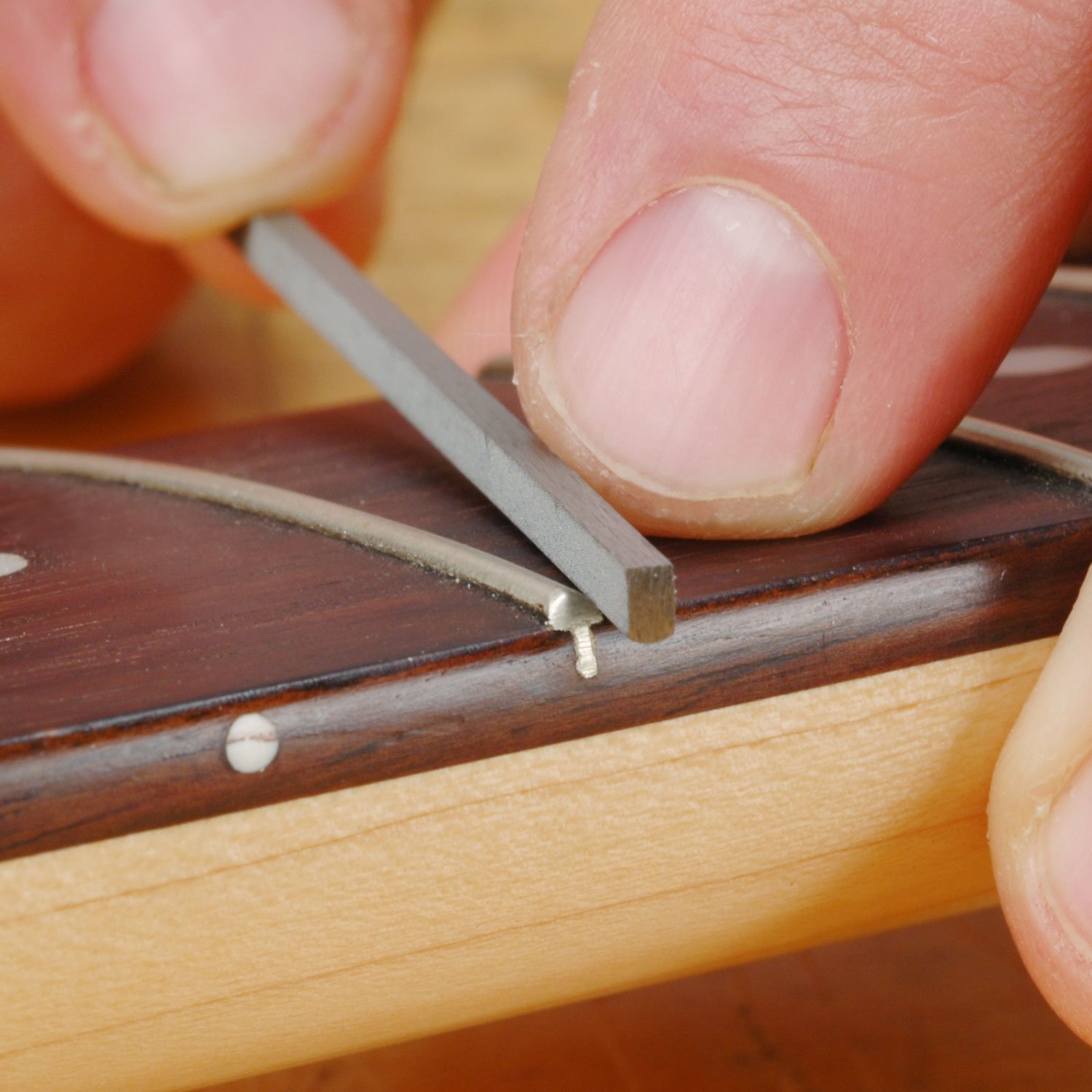
Few things make a guitar feel worse than sharp fret ends. You can usually feel them when you run your hand up and down the neck, those tiny edges that stick out just enough to catch your fingers. They are more common in dry environments where wood contracts, causing the metal fret wire to sprout past the edge of the fretboard.
The solution is simple but must be done carefully. Many people are tempted to grab a regular metal file from their toolbox, but that is a mistake. Standard files are sharp on all sides and can easily gouge your fretboard. Once that happens, you will spend more time fixing the damage than the frets themselves.
That is why a dedicated fret file from StewMac is essential. A proper fret end file has smooth, safe edges so only the fret is shaped, not your wood. The difference this makes in feel is huge. Smooth frets let your hand glide effortlessly across the neck, especially during slides or fast runs. Once you experience that silky finish, you will wonder how you ever tolerated sharp edges.
A quality StewMac fret file will also last for countless guitars and re-dressings, so it is a long-term investment in both comfort and performance.
Stewmac
2. File and Fine-Tune Your Nut Slots
This next upgrade takes a bit more precision, but it is one of the most rewarding improvements you can make. A well-cut nut is one of the biggest factors in how a guitar plays and stays in tune.
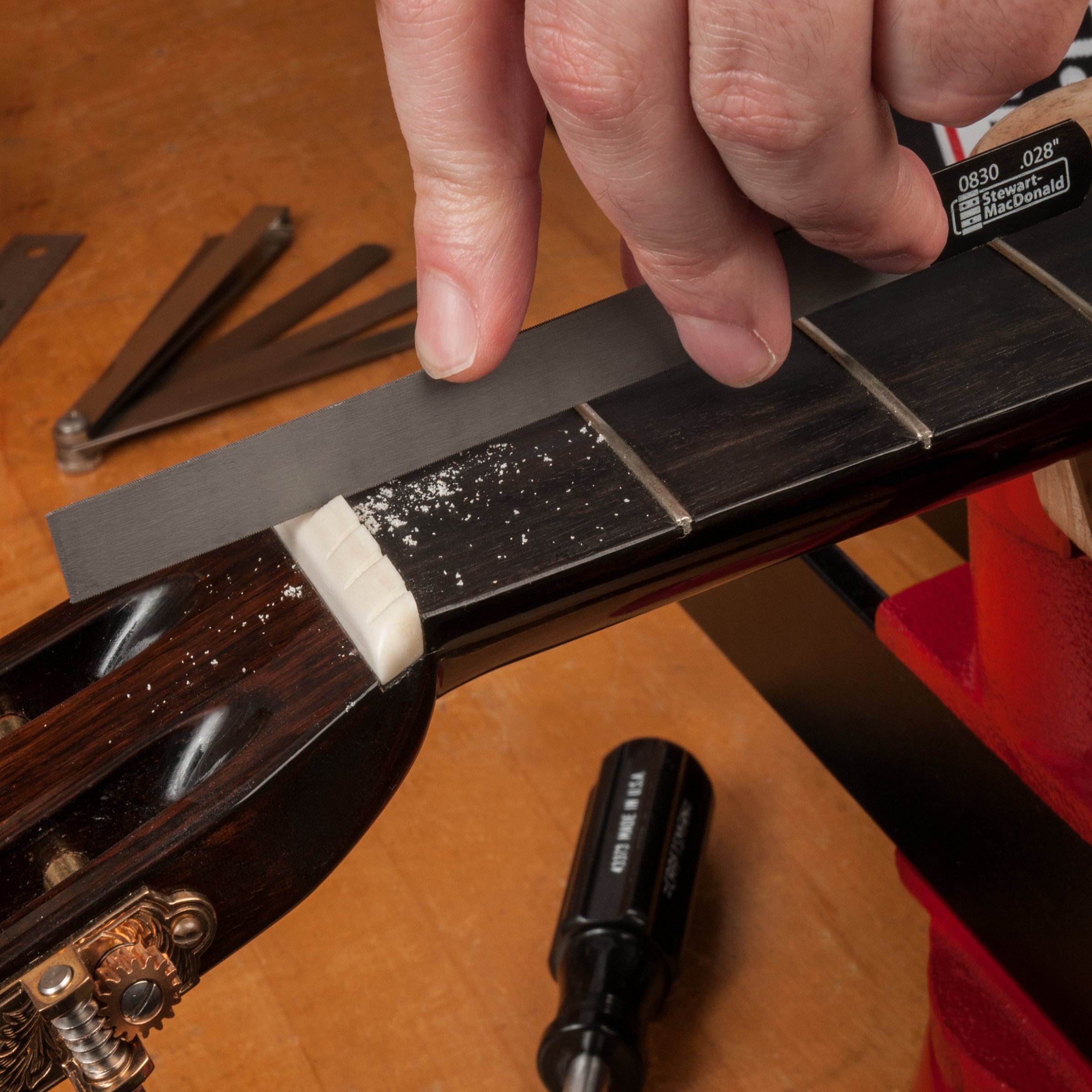
Many factory nuts are cut slightly too high, which makes the first few frets harder to press and can throw off your intonation. On the other hand, if the nut slots are too deep or uneven, you will deal with string buzz or tuning instability. The goal is balance, and the right set of nut files makes it possible.
A good nut file set allows you to slowly deepen and shape each slot to the exact width of your strings. Half the job is patience, and the other half is using tools designed specifically for the task. StewMac offers professional-grade gauged nut slotting files that make this process much easier. Their sets come in precise sizes that match standard string gauges, letting you fine-tune your nut for a smooth, comfortable playing experience.
This upgrade might sound intimidating, but it is manageable with a bit of research and guidance. There are excellent tutorials and demonstrations available online that walk you through the process step by step. With a careful hand, you will end up with a nut that allows for lower action, cleaner intonation, and easier playing overall.
Once you have mastered the technique, you can even create your own nuts from blanks, customizing the spacing and feel exactly to your liking. It is one of those skills that not only improves your current guitar but opens the door to true customization for future builds or repairs.
Stewmac
3. Level Out Uneven Frets
If your bends are choking out, or if you hear persistent buzzing even after adjusting your action, you may be dealing with uneven frets. This issue is extremely common, especially on older instruments or guitars that have seen changes in humidity or temperature.
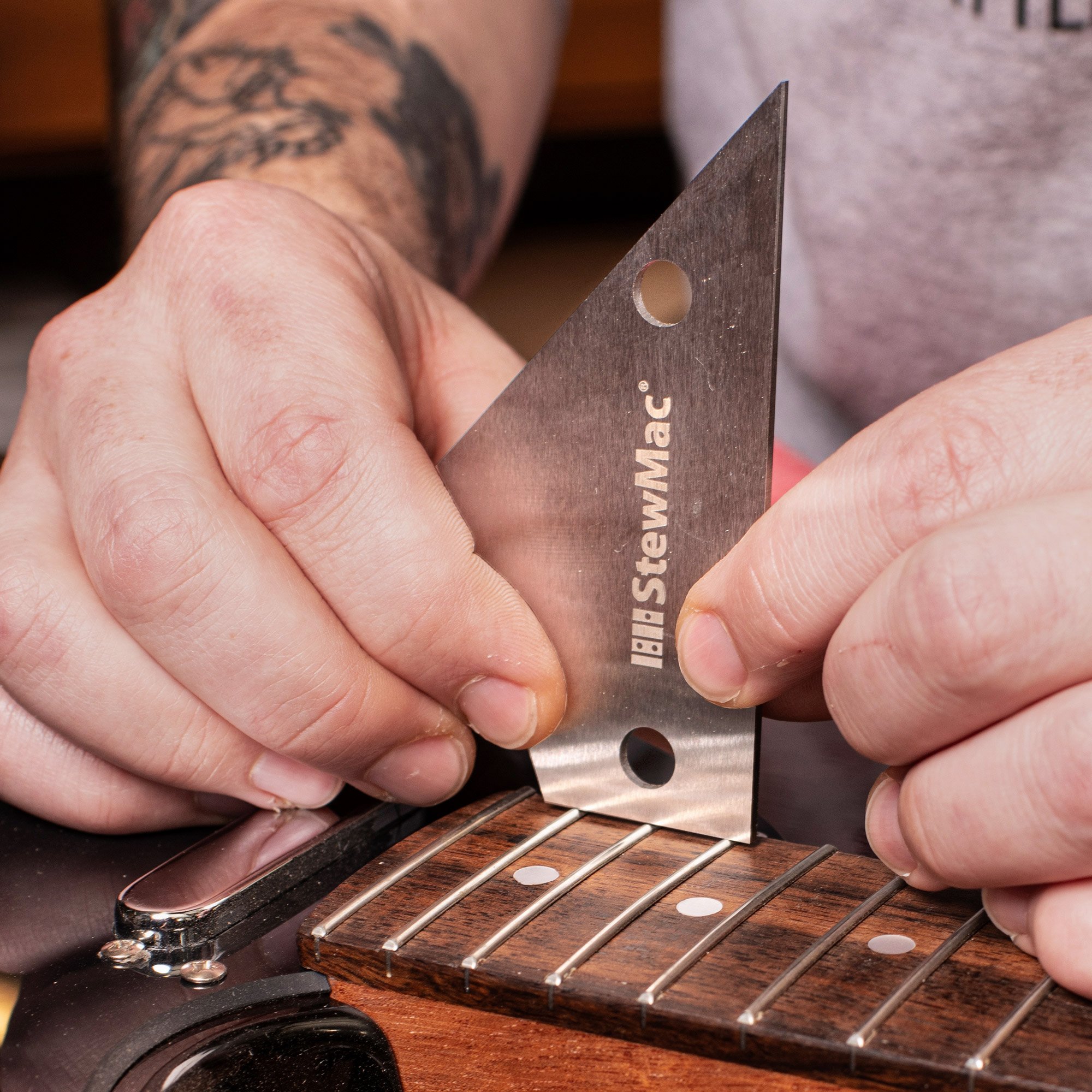
Uneven frets create high spots that prevent strings from vibrating freely, which leads to muted notes or fret buzz. The solution is a fret level, but this one requires care and patience. The goal is not to sand your frets aggressively, it is to identify the high spots, mark them, and bring them down just enough to match the others.
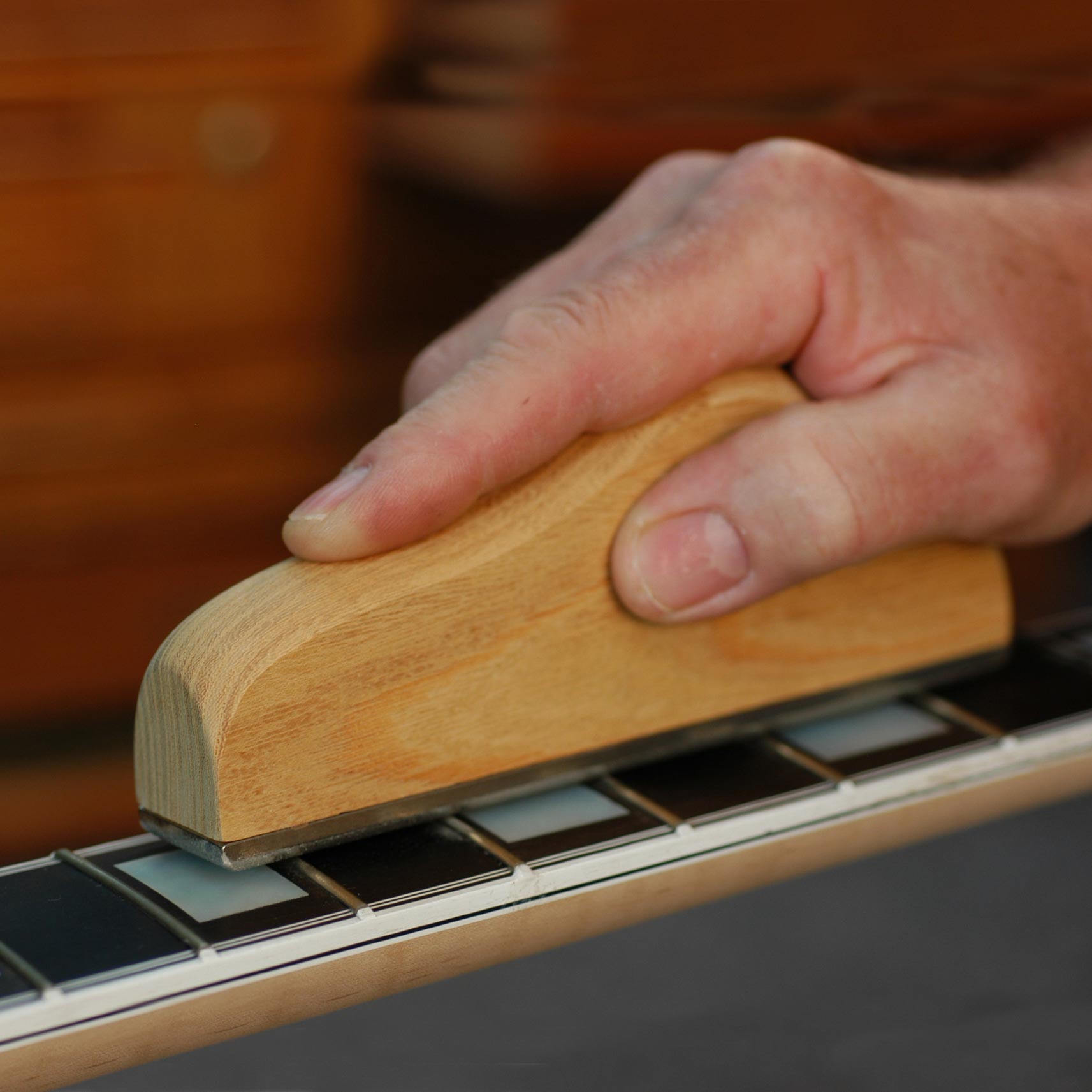
A great starting tool for this job is a fret rocker. This small tool bridges three frets at a time and helps you detect any that are sitting higher than their neighbors. You can mark these spots with a felt pen and then carefully sand them down with a spot level or sanding beam.
If you do not have one, you can make your own leveling tool using a perfectly flat piece of wood with fine sandpaper adhered to one side. The key is to move slowly and check your progress often. After leveling, polishing the frets to a mirror shine will bring back that smooth, slick feel that makes bending effortless and tone bright.
This upgrade alone can take a dull, lifeless guitar and turn it into one that plays cleanly up and down the neck.
Stewmac
Why the Right Tools Matter
All three of these upgrades have one thing in common: the importance of using the correct tools. You can absolutely perform them at home, but the difference between a great result and a frustrating one often comes down to preparation.
- A dedicated fret file prevents damage while creating smooth edges.
- A proper nut filing set gives you precision and control for tuning stability.
- A fret rocker and leveling beam make it possible to find and fix problem frets with accuracy.
That is where having access to specialized, luthier-quality tools from companies like StewMac makes all the difference. They design their tools with guitarists in mind, and everything from the shape of the handles to the precision of the file teeth is made to make your work easier and safer.
If you have ever struggled with DIY guitar work, chances are the problem was not your ability but the tools you were using. The right gear turns intimidating projects into manageable ones and helps you gain confidence with each upgrade.
Stewmac
The Payoff: A Guitar That Feels Like Yours
The beauty of these upgrades is not just technical, it is emotional. The moment your fingers glide over smooth frets, your chords ring without buzz, and your action feels effortless, you will realize how much closer your guitar is to perfection. These subtle changes make you want to play more, practice longer, and connect with your instrument in a new way.
You do not need to be a luthier to make your guitar play better. With some patience, the right information, and reliable
StewMac tools,
anyone can perform meaningful upgrades at home. Whether you are a weekend hobbyist or a working musician, learning to care for your own guitar is one of the most rewarding skills you can build.
And for every project, from fretwork to nut shaping to full setups,
StewMac
has the tools and guidance to help you do it right. They have become a trusted name among guitar builders and players because they take the guesswork out of DIY guitar maintenance.
Final Thoughts
Easy guitar upgrades do not require expensive mods or new pickups. Often, the most important improvements are about feel, making your guitar smoother, more playable, and more personal.
Start with fret ends. A dedicated fret file will give your neck that professional feel. Then move on to the nut slots with a set of precision nut files for better tuning and action. When you are ready, take on fret leveling for a guitar that plays cleanly across the entire fretboard.
Each of these steps brings you closer to that perfect playing experience, and once you feel the difference, you will understand why so many guitarists fall in love with working on their own instruments.
Grab the right tools, take your time, and enjoy the process. The improvements will not only make your guitar sound better but make you a better, more confident player.