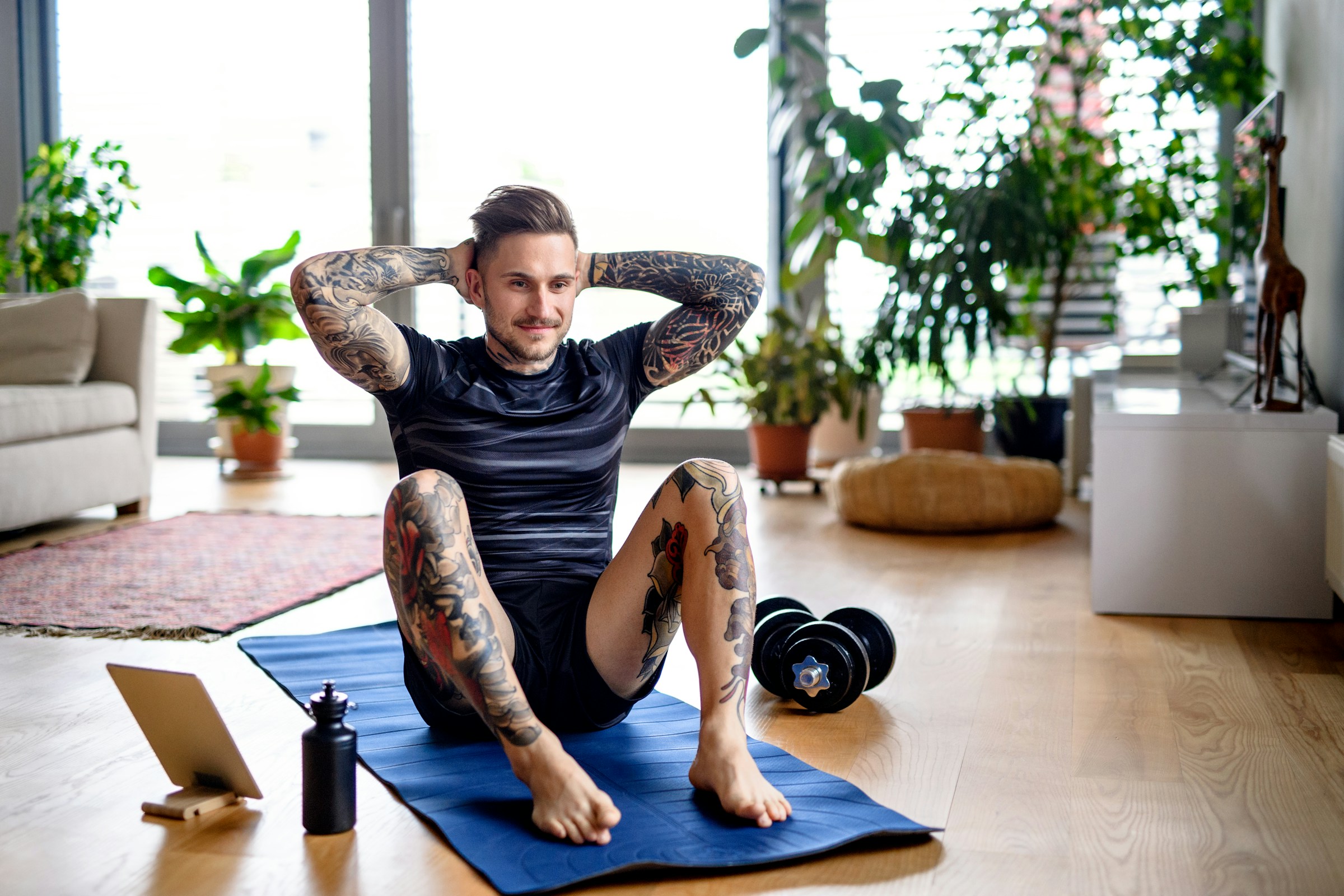
The Hidden Dangers of Sitting Too Much
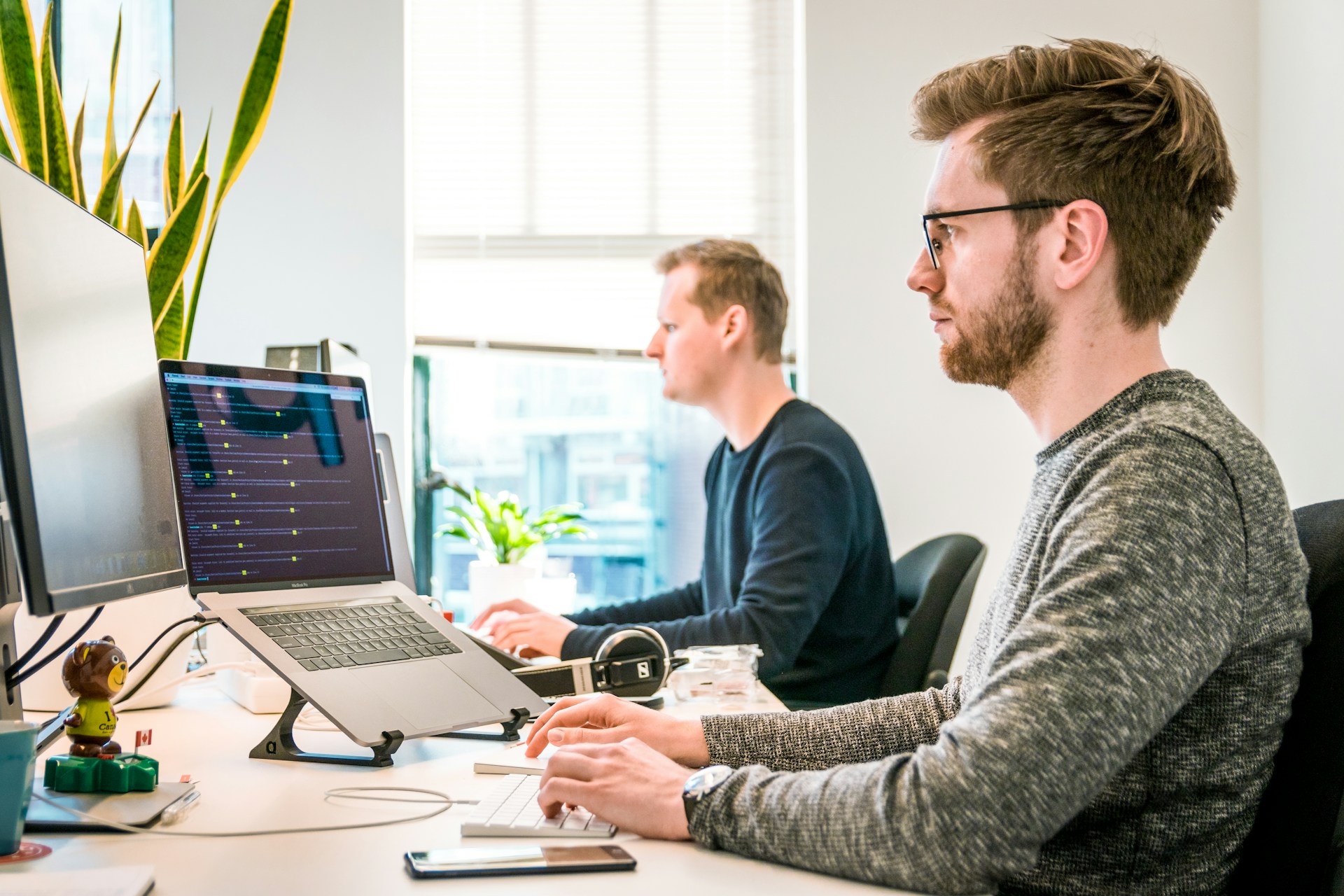
Sitting feels harmless. Most people do it for work, meals, driving, scrolling, watching TV, reading, and relaxing at the end of the day. The problem is not sitting once in a while. The problem is how easy it is for sitting to become the default position for almost the entire day.
A lot of modern life is built around stillness. You sit at a desk, sit in the car, sit during lunch, sit through meetings, sit on the couch, and then wonder why your body feels stiff, tired, tight, or low on energy. Even people who exercise can feel the effects of long hours spent sitting if they stay in one position for most of the day.
The good news is that you do not have to completely overhaul your life to start feeling better. Small changes, like standing more often, taking movement breaks, stretching, and improving your desk setup, can help break up the sitting cycle.
Here are the hidden dangers of sitting too much and what you can do to make your day more movement-friendly.
Sitting Can Make Your Body Feel Stiff and Tight
One of the first effects of sitting too much is stiffness. When you sit for hours, your hips stay bent, your glutes stay inactive, your shoulders may round forward, and your neck often leans toward a screen.
Over time, this can make your body feel tight even when you are not doing anything strenuous. Your hip flexors may feel shortened, your lower back may feel tense, and your shoulders may feel locked up. This is one reason people often feel older or less mobile after long desk days.
The issue is not that sitting is “bad” every single time. It is that your body is designed to move through different positions. When you stay in one position too long, your muscles and joints do not get the variety they need.
Sitting Too Long Can Affect Posture
A lot of posture problems are really position problems. If your screen is too low, your chair is too soft, your keyboard is too far away, or your feet do not rest comfortably, your body may compensate without you noticing.
You might lean forward, round your shoulders, tuck your pelvis, or crane your neck. At first, it may not feel like a big deal. But after weeks or months, those small habits can turn into daily discomfort.
Poor sitting posture can contribute to neck tension, shoulder tightness, back discomfort, wrist strain, and headaches. A better setup can help, but movement still matters. Even the most ergonomic chair cannot fully replace the benefit of changing positions throughout the day.
Sitting Can Lower Daily Energy
It seems like sitting should save energy, but too much sitting can actually make you feel more tired. Long periods of stillness can leave you feeling sluggish, foggy, and less alert.
Movement helps wake the body up. Standing, walking, stretching, and changing positions can increase circulation and give your brain a reset. That is why a quick walk around the room can sometimes make you feel more awake than another cup of coffee.
If you often hit an afternoon slump, your chair might be part of the problem. You may not need a full workout in the middle of the day. You may just need to stop sitting in the same position for so long.
Sitting May Contribute to Back Discomfort
Back discomfort is one of the most common complaints from people who sit for long hours. Sitting can place pressure on the lower back, especially if the chair does not support you well or if you sit with poor posture.

The lower back often takes the hit when the hips get tight, the core is not engaged, and the body stays folded for too long. If you sit all day and then go straight to the couch at night, your back may not get enough movement to reset.
Simple habits can help. Stand up every 30 to 60 minutes. Walk for a few minutes. Stretch your hip flexors. Adjust your screen height. Keep your feet flat. Change positions before discomfort builds.
The key is not waiting until your back hurts to move. Move before your body starts complaining.
Sitting Reduces Natural Movement Throughout the Day
A workout is great, but daily movement matters too. Many people think of exercise as something that only happens at the gym, but your body also benefits from small movements throughout the day.
Walking to get water, standing during a call, stretching between tasks, taking the stairs, doing light chores, or pacing for a few minutes all count. These small movements help break up long periods of stillness.
The danger of sitting too much is that it removes many of those natural movement opportunities. Your body can go hours without much activity, especially if your work and entertainment both happen on a screen.
Instead of thinking only about workouts, think about building more movement into the day itself.
Sitting Can Make Circulation Feel Slower
When you sit for long periods, your legs are bent and mostly still. Some people notice their legs feel heavy, restless, swollen, or uncomfortable after sitting too long.
Movement helps your leg muscles contract, which supports circulation. Even a short walk or a few calf raises can make your legs feel more awake. This is one reason standing up regularly can feel so relieving after a long period at a desk.
If you spend a lot of time sitting, try setting a simple rule: every hour, stand up and move for a few minutes. You do not need to make it complicated. Walk around the room, refill your water, stretch your calves, or do a few gentle squats.
A Standing Desk Can Help Break the Sitting Cycle
One practical way to sit less is to change your workspace. This is where an adjustable standing desk can be a useful upgrade.
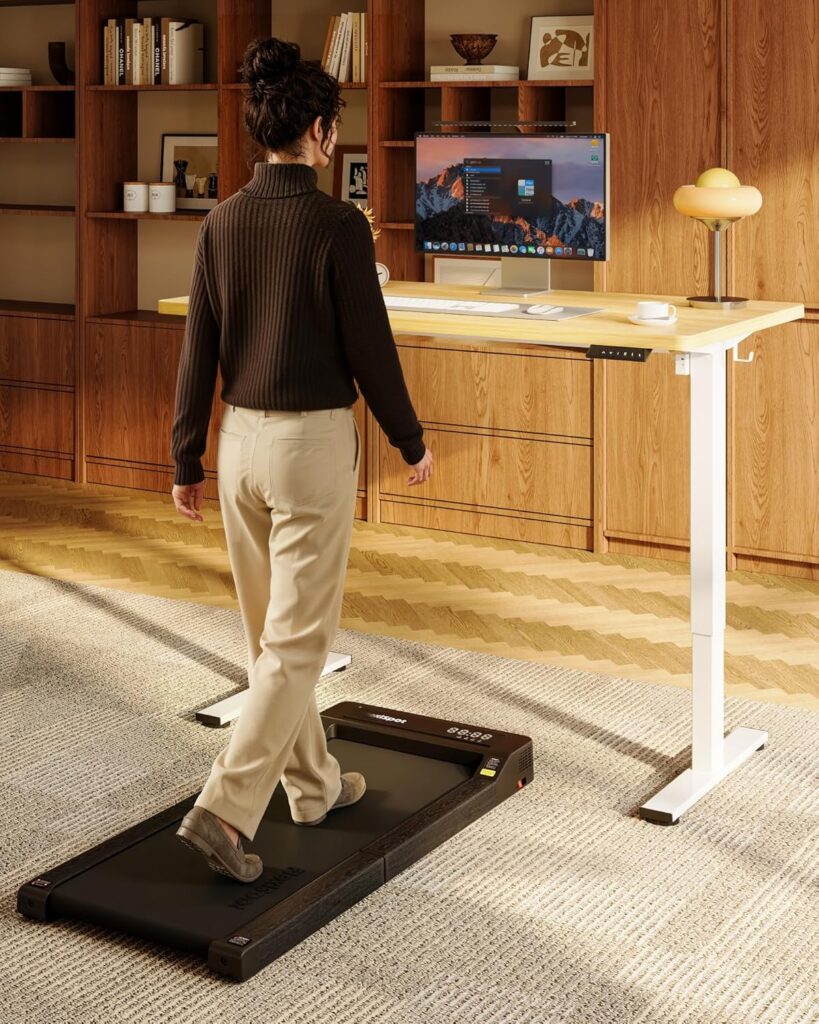
Standing desks, like the electric adjustable-height desks from FlexiSpot, make it easier to switch between sitting and standing throughout the day. Instead of choosing one position and staying there for hours, you can raise or lower the desk as needed. That flexibility is the real benefit.
A standing desk is not about standing all day. Standing too long can also become uncomfortable. The goal is to alternate. You might sit for focused work, stand for calls, stand after lunch, or raise the desk when you feel your energy dipping.
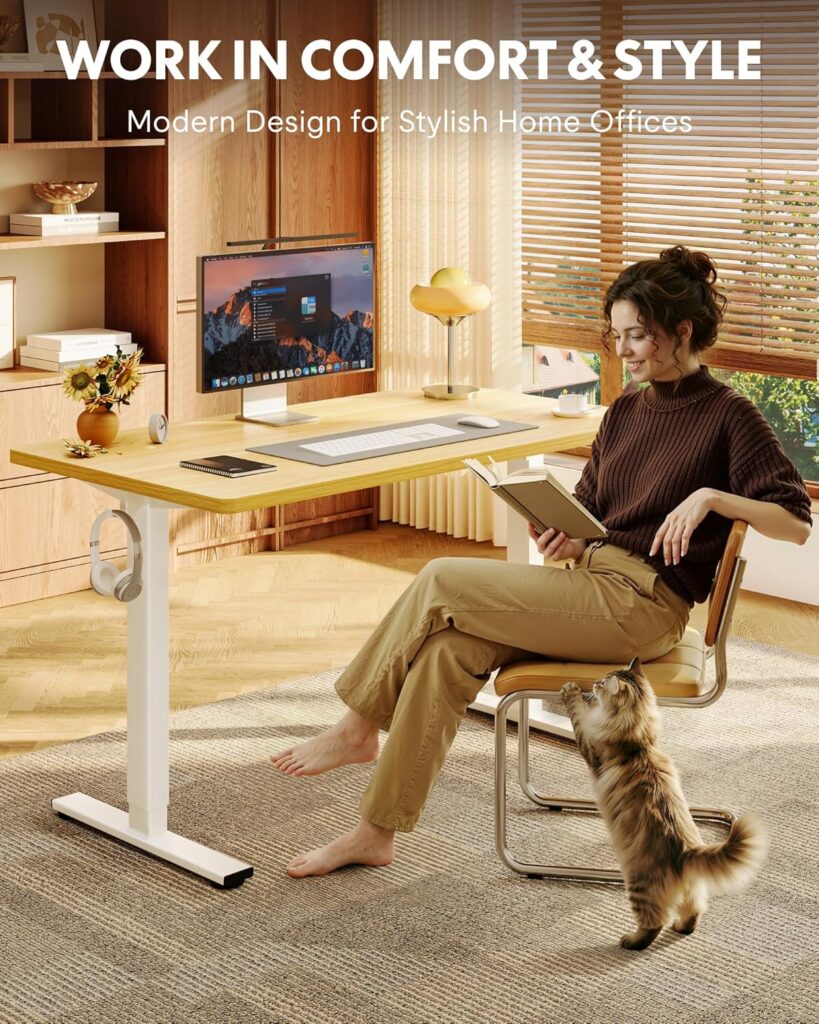
FlexiSpot electric desks are especially helpful because the height adjustment is simple. That makes it easier to actually use the feature instead of treating it like a one-time setup. If your workspace makes movement convenient, you are more likely to build healthier habits into your day.
For people who work from home, spend long hours on a computer, or feel stiff after desk work, an adjustable desk can be one of the easiest ways to make the workday less sedentary.
Sitting Can Affect Focus
When your body is uncomfortable, your focus suffers. It is hard to concentrate when your neck is tight, your back aches, your legs feel restless, or your energy is low.
Changing positions can help reset your attention. Standing for a meeting, walking while thinking through a problem, or stretching between tasks can make work feel less draining.
This is not just about productivity. It is about feeling better while you do the things you already have to do. A more movement-friendly routine can make your workday feel less physically exhausting.
How to Sit Less Without Overcomplicating It
You do not need a perfect routine. Start with small changes that are easy to repeat.
Stand up when you take phone calls. Walk for five minutes after meals. Stretch while waiting for coffee. Keep water across the room so you have to get up. Use a standing desk for part of the day. Take a short movement break after finishing each major task.
You can also set reminders, but the best system is one that connects movement to things you already do. For example, every time you finish a meeting, stand up. Every time you send a batch of emails, stretch. Every time you refill your drink, walk for an extra minute.
The easier the habit feels, the more likely you are to keep doing it.
Final Thoughts
Sitting too much can affect your body in quiet ways. It can contribute to stiffness, poor posture, low energy, back discomfort, tight hips, reduced movement, and overall sluggishness. The effects may build slowly, which is why many people do not notice the problem until their body starts feeling uncomfortable every day.
The solution is not to panic or avoid sitting completely. Sitting is normal. The goal is to stop sitting for long, uninterrupted stretches.
Move more often. Change positions. Stretch. Walk. Improve your desk setup. Consider tools like an adjustable standing desk from FlexiSpot if you spend long hours working at a computer.
Your body does not need perfection. It needs variety. And sometimes the simplest change, like standing up more often, can make your whole day feel better.