How to Stay Fit Without a Gym Membership

Staying fit does not have to mean signing up for a gym, driving across town, waiting for equipment, or forcing your schedule around crowded workout hours. For many people, the gym is actually one of the biggest reasons fitness feels hard to stick with. The commute, monthly cost, intimidation factor, and time commitment can make working out feel like a bigger task than it needs to be.
The truth is, you can build a consistent fitness routine without a gym membership. You do not need rows of machines, a locker room, or a complicated program to move more, build strength, improve endurance, and feel better in your daily life.
What you do need is a realistic plan, a little space, and the right tools for the kind of workouts you will actually do. Whether you want to walk more, improve cardio, build strength, stretch, or simply stop feeling so sedentary, home fitness can be simple, flexible, and easier to maintain long term.
Start With What You Will Actually Do
The best workout routine is not the most intense one. It is the one you can repeat consistently. Before buying equipment or creating a schedule, think honestly about what type of movement you enjoy or at least do not hate.
If you dislike running, a treadmill sprint routine probably will not last. If you enjoy low-impact movement, walking, cycling, or rowing may be better. If you get bored easily, a mix of short workouts may work better than one long routine.
The goal is not to copy someone else’s fitness plan. The goal is to create a routine that fits your life. That might mean walking while watching TV, doing a quick 20-minute ride before work, rowing a few times a week, or using short bodyweight workouts when you have limited time.
When fitness fits your real schedule, it becomes much easier to stick with.
Make Walking Part of Your Routine
Walking is one of the most underrated ways to stay active. It is simple, low-impact, beginner-friendly, and easy to build into the day. You do not need special skills or a full workout plan to start walking more.
A daily walk can help break up long periods of sitting, improve your mood, and make movement feel less intimidating. It can also be one of the easiest ways to ease back into fitness if you have not worked out in a while.
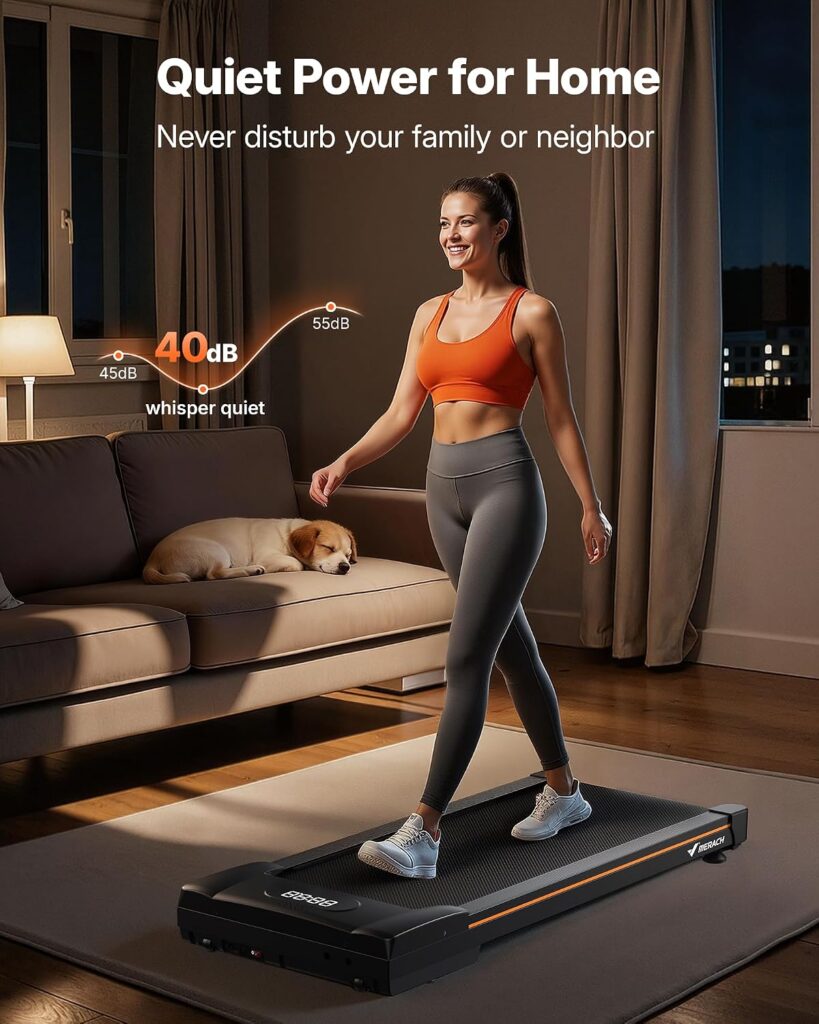
If outdoor walks are not always realistic because of weather, heat, safety, or your schedule, a walking treadmill or walking pad can be a great option. It lets you walk at home while watching TV, listening to a podcast, taking a low-pressure work break, or getting steps in during the day.
This is where home fitness equipment can make consistency easier. Instead of needing to “go work out,” you can simply walk for 10, 20, or 30 minutes at home.
Use Home Fitness Equipment to Remove Excuses
One of the biggest benefits of working out at home is convenience. When your equipment is nearby, you remove a lot of the excuses that make people skip workouts.
You do not have to pack a bag. You do not have to drive anywhere. You do not have to wait for a machine. You do not have to worry about what you look like. You can work out for 15 minutes and still count it as progress.
Brands like Merach on Amazon make it easier to find home fitness equipment for different routines and spaces. Depending on your goals, you can look for options like treadmills, rowing machines, exercise bikes, walking treadmills, or vibration platforms. The point is not that you need every piece of equipment. It is that you can choose one or two tools that match how you want to move.
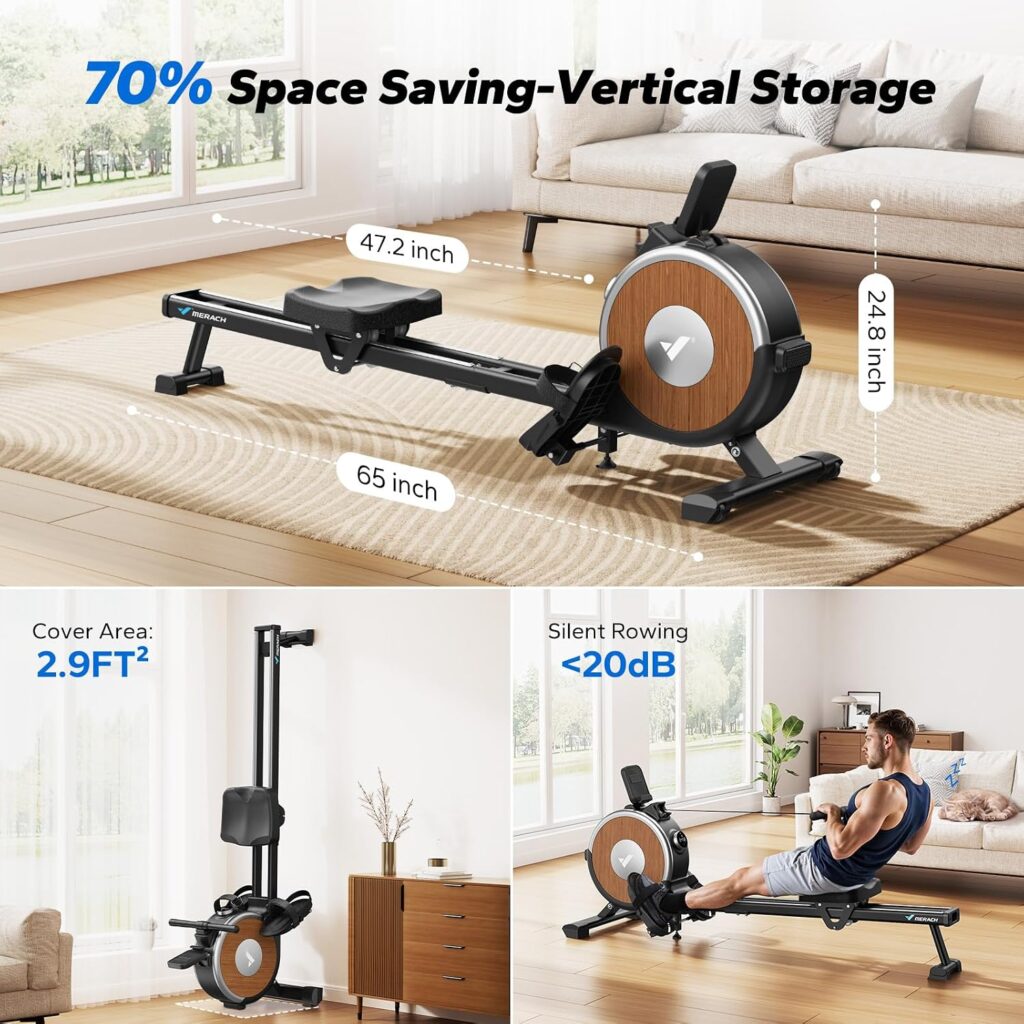
If you want simple cardio, a walking treadmill may be enough. If you want a low-impact full-body workout, a rowing machine can be a strong option. If you prefer seated cardio, an exercise bike may be easier to use regularly. If you want something compact to add movement into your routine, a vibration pad or small-space fitness tool may be worth considering.
The best home equipment is the equipment you will actually use.
Focus on Short Workouts First
A lot of people fail at fitness because they make the routine too big too soon. They decide they need to work out for an hour, five days a week, and then feel like they failed when life gets busy.
Short workouts are often more realistic. Ten to 30 minutes can still make a difference, especially when you do it consistently.
A simple weekly plan might look like this:
Walk for 20 minutes three days a week
Do a 15-minute bodyweight workout twice a week
Stretch for 10 minutes before bed
Use an exercise bike or rower for 20 minutes on the weekend
That may not sound extreme, but it is far better than doing nothing because your perfect workout plan was too hard to maintain.
Once the habit is built, you can always add more time, intensity, or variety.
Build Strength Without a Full Weight Room
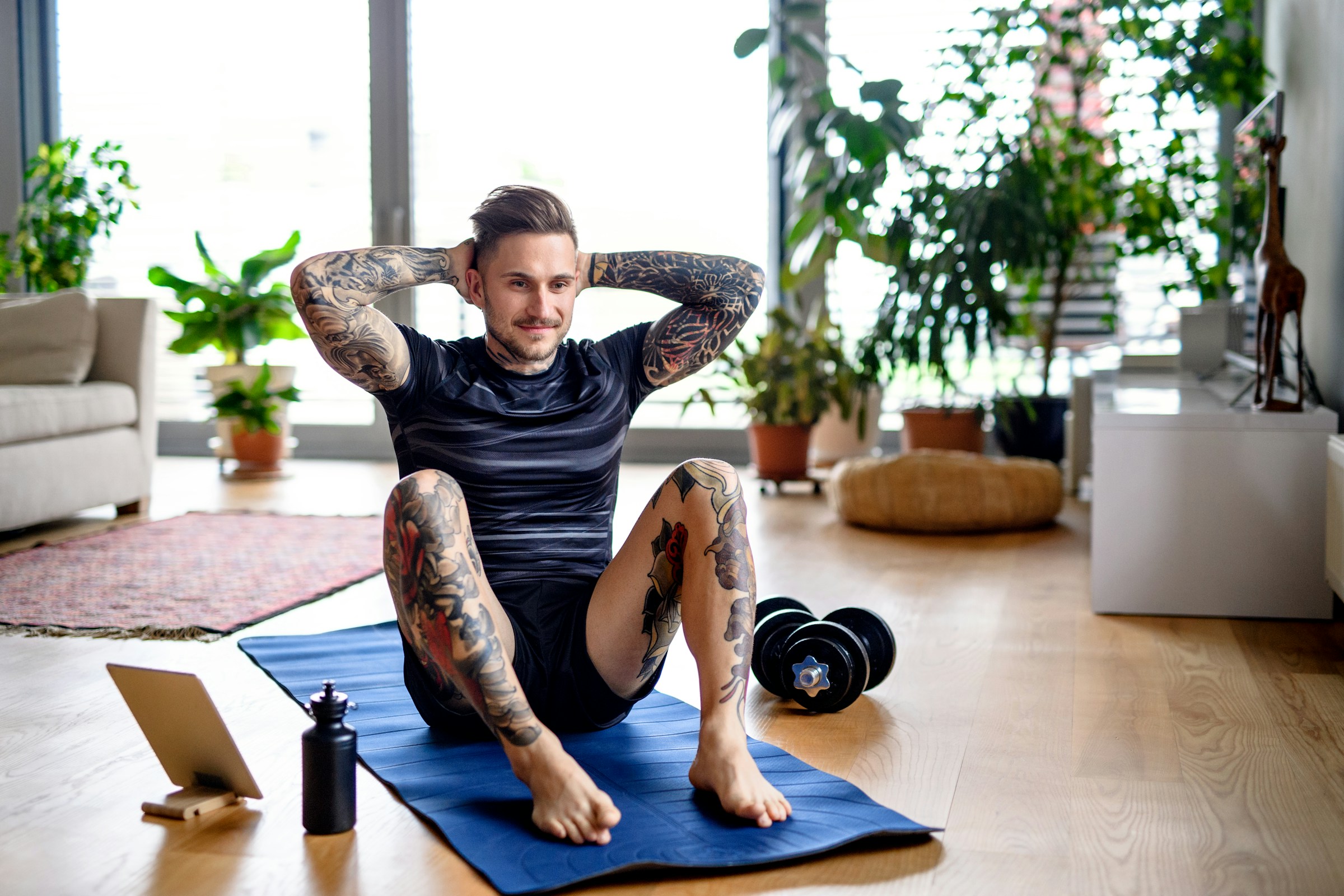
You do not need a full gym to build strength. Bodyweight exercises can go a long way, especially for beginners or anyone trying to rebuild consistency.
Push-ups, squats, lunges, glute bridges, planks, step-ups, and wall sits can all be done at home with little or no equipment. Add resistance bands or a pair of dumbbells, and you have even more options.
Strength training matters because it helps your body feel more capable in everyday life. Carrying groceries, climbing stairs, lifting boxes, working around the house, and even maintaining better posture can all feel easier when you build strength.
You do not need to overcomplicate it. Pick a few basic movements and repeat them consistently. Focus on good form, slow control, and gradual progress.
Choose Low-Impact Cardio You Enjoy
Cardio does not have to mean punishing yourself. If running hurts your joints or feels miserable, choose something else. Low-impact cardio can still be effective and much easier to stick with.
Exercise bikes are popular because they are easy to use, joint-friendly, and simple to fit into a home routine. You can ride while watching a show, listening to music, or following a workout. Rowing machines are another strong option because they involve both the upper and lower body while keeping the movement low-impact.
Walking treadmills are great for people who want more daily movement without a high-intensity workout. They are especially useful if you sit for work or struggle to hit your step goals.
The best cardio option is the one that makes you think, “I can do this again tomorrow,” not the one that makes you dread your next workout.
Make Your Home Workout Space Simple
You do not need a dedicated home gym to work out at home. A corner of a bedroom, living room, garage, or office can be enough.
The key is to make the space easy to use. Keep your equipment visible or easy to access. If your workout gear is buried in a closet, you are less likely to use it. If your walking pad, bike, rower, yoga mat, or resistance bands are easy to reach, starting becomes much easier.
Keep the setup simple. A mat, water bottle, towel, small fan, and one or two pieces of equipment can be enough. You want the space to feel inviting, not overwhelming.
Even a small setup can make your home feel more active.
Use Everyday Moments to Move More
Fitness does not only happen during formal workouts. A big part of staying fit without a gym membership is finding ways to move more throughout the day.
Take short walking breaks. Stretch while watching TV. Do a few squats while waiting for coffee. Walk during phone calls. Use stairs when possible. Stand up between work tasks. Do 10 minutes on a walking treadmill after dinner.
These small moments matter because they make movement part of your lifestyle instead of something separate from it.
If you wait until you have the perfect time for a full workout, you may keep putting it off. If you use small windows of time, fitness becomes much more realistic.
Track Progress Without Obsessing
Tracking can be helpful, but it should not make fitness feel stressful. You can track workouts, steps, minutes of movement, distance, or how many days per week you were active.
The goal is to see consistency. If you walked three days this week, that is progress. If you used your exercise bike twice, that counts. If you stretched every night, that matters.
Progress is not only about weight loss or appearance. It can also mean better energy, better mood, better endurance, less stiffness, improved sleep, or simply feeling proud that you kept a promise to yourself.
That kind of progress is often what keeps people going.
Final Thoughts
You do not need a gym membership to stay fit. You need a routine that fits your life, movement you can stick with, and tools that make exercise easier to start.
Walking, bodyweight exercises, low-impact cardio, short workouts, and simple home equipment can all help you build a realistic fitness routine. Brands like Merach on Amazon make it easier to explore home fitness options like treadmills, rowing machines, exercise bikes, walking treadmills, and vibration platforms, so you can choose equipment based on your space and goals.
The most important thing is to start small and stay consistent. A few short workouts each week can build momentum. A daily walk can turn into a habit. One piece of home equipment can remove the barrier of needing to drive to the gym.
Fitness does not have to be complicated. When movement is convenient, flexible, and easy to repeat, staying active becomes much more realistic.