
The standing desk has become a modern symbol of health-conscious productivity. Once seen as a quirky office experiment, it is now a staple in homes, startups, and corporate offices around the world. Celebrities, tech CEOs, and wellness experts have all sung its praises. But as with every trend that promises better health and performance, one big question remains: do standing desks actually work?
Let’s dive into the science, the benefits, and a few surprising realities of what happens when you swap your chair for your feet, and why finding the right adjustable desk, like
UPLIFT Standing Desks, can make all the difference.
UPLIFT DESK
The Problem with Sitting All Day
The average person spends over eight hours a day sitting, and that is before you count TV time, commuting, or scrolling through your phone on the couch. That adds up to more than half of your waking hours spent stationary. According to numerous studies and expert reviews from sources like
Harvard Health, extended sitting is associated with a higher risk of heart disease, obesity, diabetes, and even premature death.
When you sit, your muscles relax, your calorie burn rate drops, and your circulation slows. Blood sugar regulation and fat metabolism also decline, which can increase the risk of metabolic syndrome over time. Researchers have gone so far as to call sitting “the new smoking” because of its widespread and long-term impact on health.
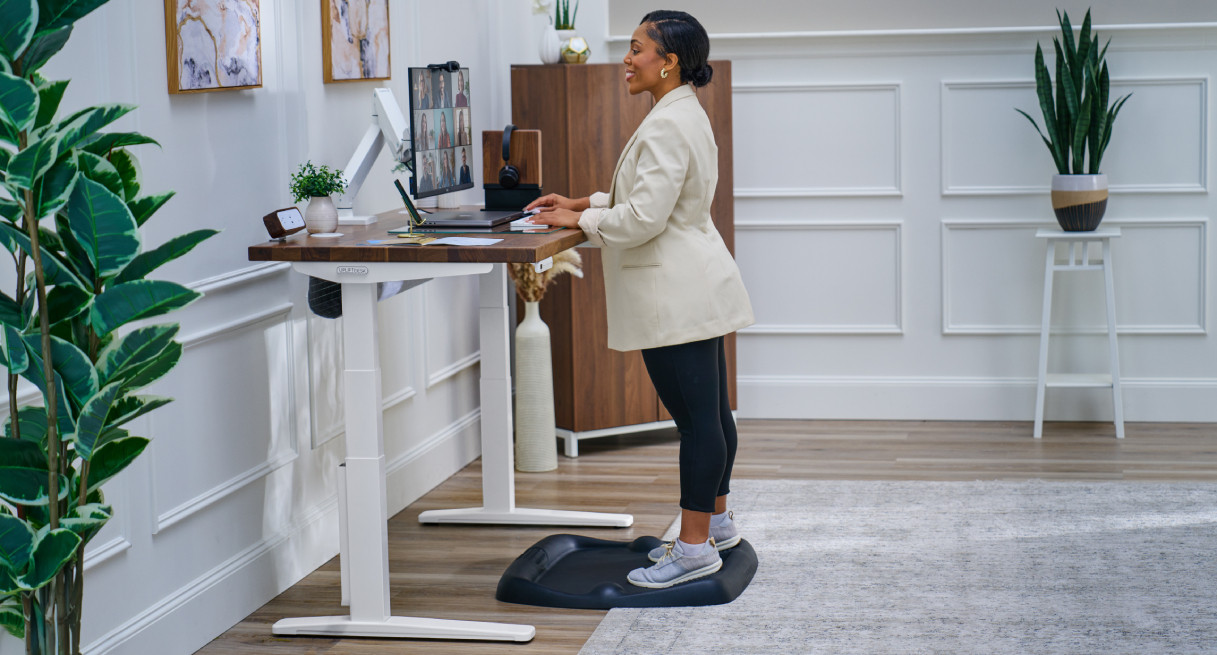
But here is where things get tricky. Simply standing all day is not the magic fix either. Standing for too long without movement can lead to fatigue, joint strain, or lower back discomfort. The key, experts say, is alternating between sitting and standing throughout the day. That is where
adjustable standing desks come in.
UPLIFT DESK
What Science Says About Standing Desks
Research on standing desks has grown rapidly over the past decade. While not every study agrees on the exact size of the benefits, the overall picture is clear: switching between sitting and standing can make measurable improvements to your health and productivity.
1. Improved Posture and Core Strength
Standing encourages a more upright posture compared to sitting slouched in a chair. Over time, people who use standing desks tend to engage their core muscles more often, which can reduce back and neck pain caused by poor sitting habits.
A 2018 study in the
British Journal of Sports Medicine
found that office workers who used sit-stand desks reported significantly less lower back pain after just three months. Many participants also reported feeling more alert and less fatigued during the workday.
2. Increased Energy and Focus
When you are standing, your blood circulation improves, helping deliver more oxygen and nutrients to your brain. This can lead to greater mental clarity, faster reaction times, and fewer afternoon slumps.
A 2016 study from
Texas A&M University
discovered that employees who used sit-stand desks were more productive than their seated counterparts. Standing periodically throughout the day can help you maintain focus and reduce the sluggishness that often follows long hours of sitting.
3. Better Metabolic Health
Standing burns slightly more calories than sitting, about 10 to 20 percent more per hour. That might not sound like much, but it adds up over time. Reviews summarized by
Harvard Health Publishing
show that alternating between sitting and standing for part of the workday can contribute to modest but meaningful increases in daily energy expenditure.
More importantly, standing and moving regularly helps regulate blood sugar and insulin levels, which are key factors in preventing metabolic diseases.
4. Improved Mood and Wellbeing
In addition to the physical benefits, standing desks can also positively affect your mental health. A 2014 study in the
Journal of Occupational and Environmental Medicine
found that employees who alternated between sitting and standing experienced reduced stress and improved mood throughout the day.
Movement triggers the release of endorphins, the same “feel-good” hormones that come from exercise, making you feel more balanced and engaged while you work.

UPLIFT DESK
The Catch: Standing Too Much Is Not the Goal
The science is clear that standing desks are beneficial when used correctly. However, going from sitting eight hours a day to standing for eight hours a day is not the solution. Overdoing it can lead to foot pain, varicose veins, and even hip or back discomfort.
Experts often suggest a sit-stand ratio, aiming for about 15 to 30 minutes of standing each hour, then switching back to sitting. The goal is consistent movement and posture change, not endurance.
You can also combine standing desk use with small movement breaks such as walking around for a few minutes, stretching, or performing light exercises. Resources from organizations like
OSHA
and ergonomic specialists support this balanced approach.
Why Adjustable Desks Are the Smart Choice
The most effective standing desks are the ones that make this switching process effortless. That is why
adjustable desks are so popular. You can instantly change positions depending on your comfort, task, or time of day.
The flexibility of an adjustable desk allows you to:
- Alternate between sitting and standing throughout your workday
- Adjust the height to match your ergonomic setup perfectly
- Customize your desk for comfort, posture, and workflow needs
This adjustability is what transforms standing desks from a novelty item into a real tool for better health and productivity.

UPLIFT DESK
The UPLIFT Difference: Designed for Real People
If you are thinking about joining the standing desk movement,
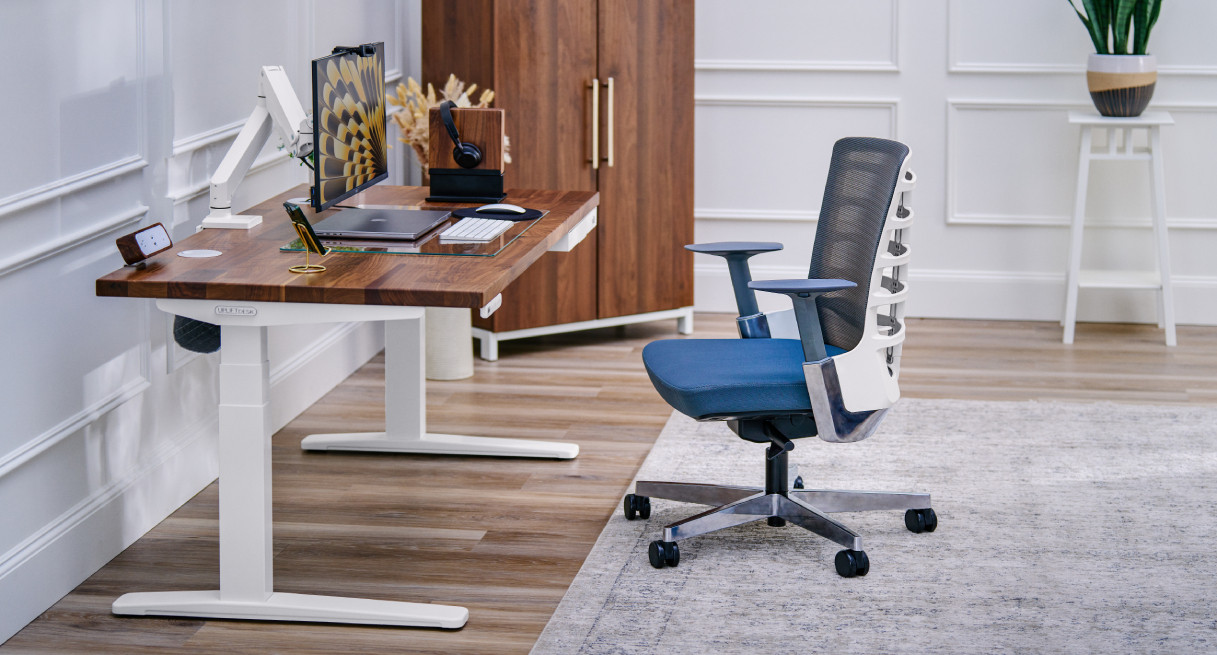
UPLIFT Standing Desks are one of the most impressive and customizable options available. What makes them stand out is how thoughtfully they are designed for real people with real work habits.
For starters, UPLIFT offers a wide range of customization options, letting you tailor your desk to fit your workspace and personality. You can choose from multiple desktop materials, sizes, and frame colors so your setup can blend seamlessly with your home or office décor.
The hardware finishes are just as customizable. You can pick your frame color, add casters for mobility, and even integrate extra electrical plugs or USB-C ports directly into your desktop. The attention to detail extends to their keypad styles too, from simple manual buttons to advanced digital keypads with Bluetooth connectivity, allowing you to control your desk height through an app.
And for anyone who likes a touch of fun and comfort,
UPLIFT even offers under-desk accessories like footrests and foot hammocks to encourage movement while sitting.
What really sets these desks apart is their smooth, electric height adjustment system. You can move between sitting and standing with the press of a button, accommodating multiple heights and preferences. Whether you are 5’2″ or 6’4″, you can find the perfect ergonomic position every time.
This adaptability makes UPLIFT desks ideal for anyone who wants a healthier workspace without sacrificing style or comfort.
UPLIFT DESK
Building the Perfect Workspace
Getting the most out of a standing desk is not just about owning one, it is about creating an environment that encourages movement and focus. Here are a few ways to make your setup even more effective:
1. Focus on Ergonomics.
Your elbows should rest comfortably at a 90-degree angle, your monitor should be at eye level, and your wrists should remain straight while typing. A well-adjusted setup prevents strain on your neck, shoulders, and wrists. For guidance, you can reference
ergonomic checklists from reputable organizations.
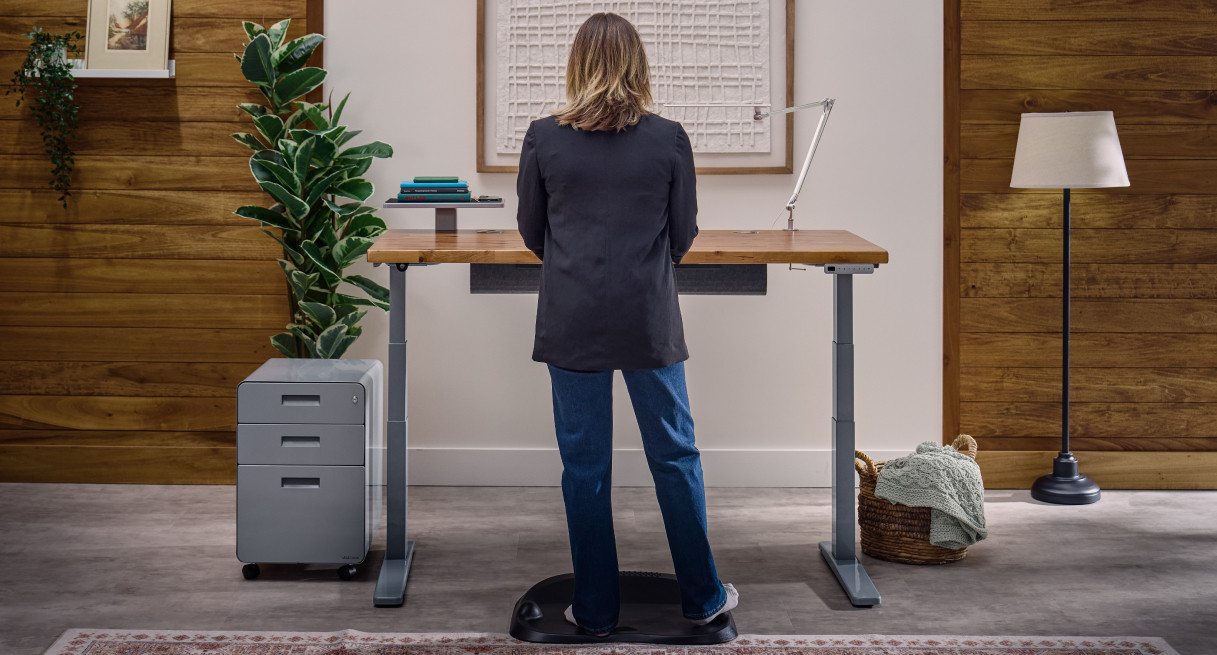
2. Wear Supportive Shoes or Use an Anti-Fatigue Mat.
Standing for extended periods can be hard on your feet. Supportive shoes or an anti-fatigue mat can reduce discomfort and help distribute pressure more evenly. Many users pair their
UPLIFT desk with an ergonomic mat for extra comfort.
3. Move Frequently.
Set reminders to shift your position, stretch, or walk around for a minute or two each hour. These small breaks boost circulation and prevent stiffness.
4. Personalize Your Workspace.
Standing desks like
UPLIFT make it easy to create a setup that is truly yours. Add accessories that make you more comfortable and productive such as a monitor arm, a cable management system, or a built-in power grommet for your devices.

UPLIFT DESK
The Real Bottom Line
Standing desks are not a miracle cure, but they are one of the simplest and most effective ways to improve your daily health and focus. Science shows that alternating between sitting and standing can increase energy, improve posture, reduce back pain, and support long-term metabolic health.
The key is balance, and having the right desk makes that easy.
Adjustable models like UPLIFT Standing Desks combine science-backed design with real-world usability. They make it simple to move throughout your day, find your perfect ergonomic position, and enjoy the benefits of both sitting and standing.
So if you are ready to take a stand for your health, investing in a high-quality adjustable desk is one of the smartest changes you can make. With a setup that adapts to you, every workday becomes more comfortable, more productive, and a little bit better for your body.