How to Make Your Backyard Safer for a Curious Dog
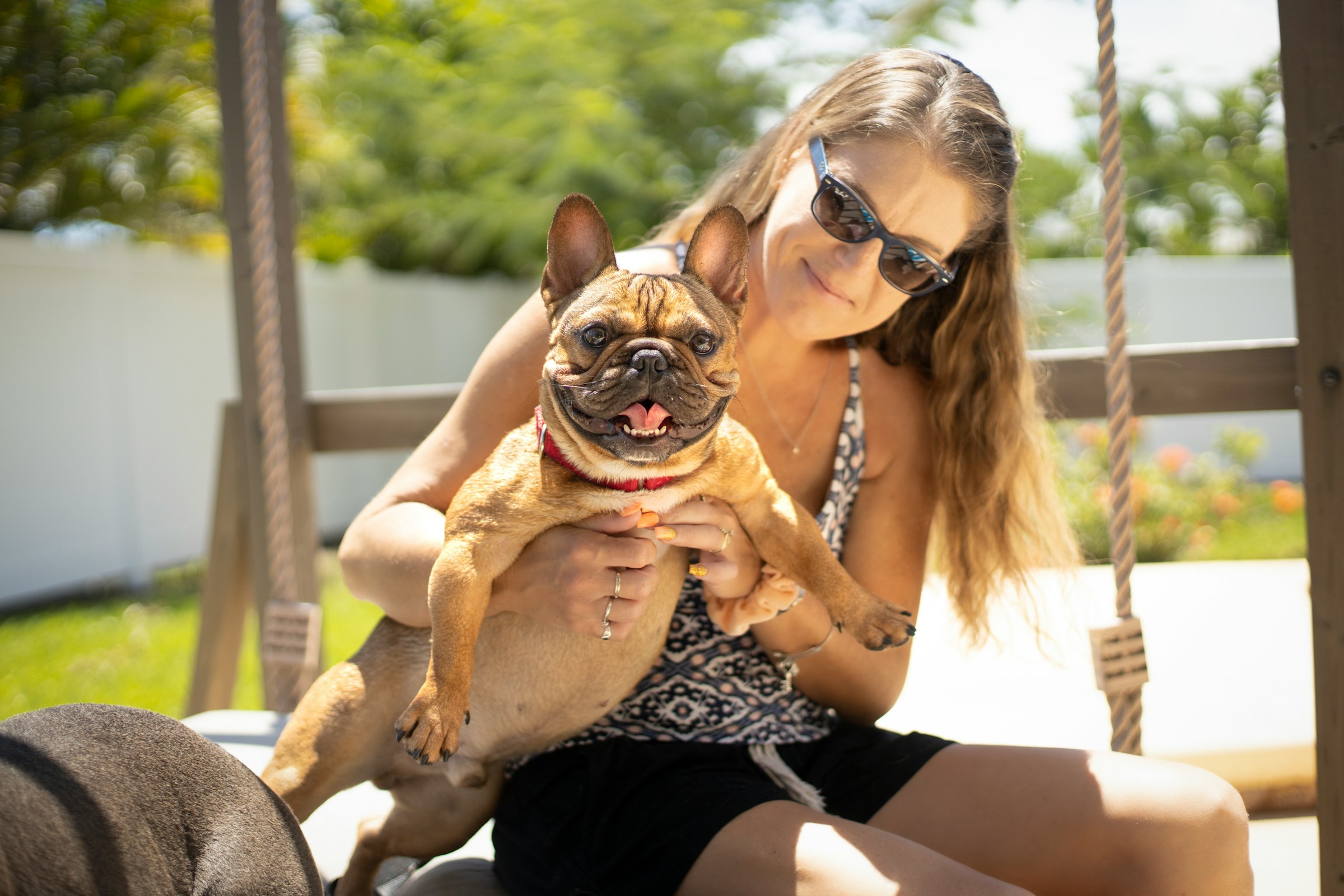
Some dogs are perfectly happy relaxing on the patio. Others want to inspect every corner of the yard, squeeze behind bushes, investigate the gate, and see what is happening on the other side of the fence.
If you have a curious dog, a few simple changes can make outdoor time feel safer without taking away their freedom to explore. The goal is to look at your yard from your dog’s point of view and fix the areas most likely to cause trouble.
1. Check Your Boundaries Regularly
Fences and gates are one of the first things to inspect, especially if your dog likes to dig, push, climb, or squeeze through small spaces.
Walk the perimeter occasionally and look for loose panels, gaps near the ground, damaged sections, or places where your dog could get a paw or head stuck. Gates should also close securely and be difficult for a dog to accidentally push open.
2. Block Off Areas That Are Not Dog-Friendly
Not every part of the yard needs to be accessible.
Pools, gardening areas, sheds, grills, trash cans, equipment, and certain plants may be better kept behind a gate or separate barrier. Creating clear zones can give your dog plenty of space to roam while keeping them away from areas that require more supervision.
If part of your yard needs an additional barrier, portable pet fencing can be useful for creating a more controlled space. Petorldog, for example, makes dog fencing designed with reinforced panels and a right-angle structure intended to create a sturdier enclosed area.
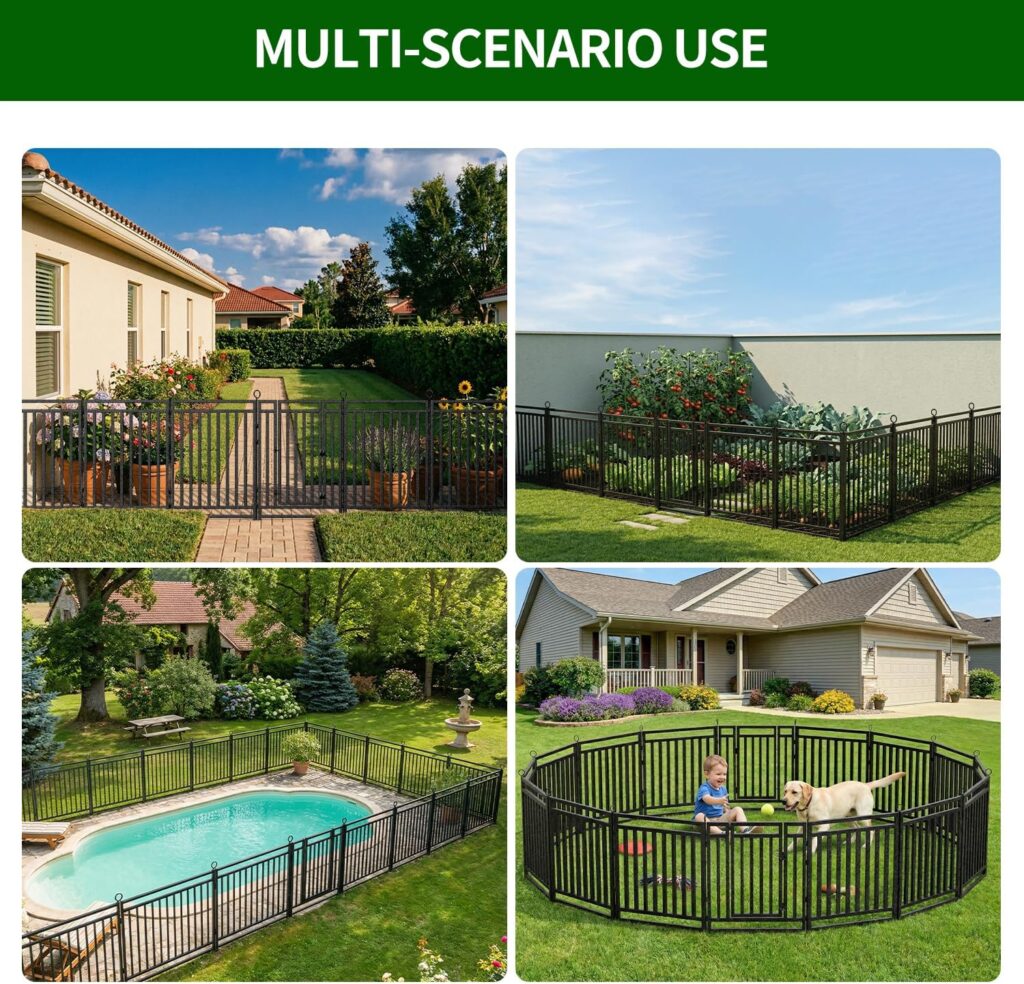
This can be especially helpful when you are working outside and cannot watch every move they make.
3. Look for Escape Routes at Ground Level
Dogs do not always try to go over a fence. Sometimes the easiest way out is underneath it.
Check for gaps caused by uneven ground, erosion, digging, or fencing that sits too high above the soil. Pay extra attention around gates and corners, since those are often the first places curious dogs investigate.
If your dog is a determined digger, regularly checking the fence line can help you catch new holes before they turn into an escape route.
4. Keep Yard Chemicals Out of Reach
Fertilizers, pesticides, weed treatments, pool chemicals, and other outdoor products should be stored somewhere your dog cannot access them.
Even something that seems safely tucked behind a planter or next to the garage may be within reach of a determined pet.
A closed cabinet, locked shed, or elevated storage area can help keep potentially hazardous products separated from the spaces where your dog plays.
5. Check the Plants in Your Yard
Dogs explore with their noses and mouths, so it is worth knowing what is growing around them.
Some common landscaping plants can be irritating or toxic to pets if eaten. Before planting something new, check whether it is considered pet-safe, particularly if your dog likes chewing leaves, flowers, or anything else they find outside.
You may also want to trim thorny plants or keep delicate landscaping behind a small barrier.
6. Create a Comfortable Place to Cool Down
A safe yard should also give your dog somewhere comfortable to rest.
Make sure there is access to shade and fresh water, especially during warmer weather. Covered patios, umbrellas, shade sails, or naturally shaded areas can give your dog a place to get out of direct sun.
On especially hot days, outdoor time may still need to be limited even if plenty of shade is available.
7. Remove Small Hazards Before They Become a Problem
Curious dogs have a talent for finding things people overlook.
Small tools, pieces of plastic, broken toys, sharp sticks, fallen fruit, gardening supplies, and other debris can quickly become something to chew or swallow.
A quick walk through the yard before letting your dog out can catch many of these problems. It is especially worthwhile after yard work, parties, windy weather, or home improvement projects.
8. Give Them Something Safe to Explore
Sometimes the best way to keep a curious dog away from trouble is to give them something more interesting to do.
Outdoor toys, sniffing games, treat puzzles, designated digging areas, or simply rotating a few favorite activities can make the yard more engaging.
A dog that has something appropriate to investigate may be less interested in testing every fence corner or digging underneath the gate.
Keep Checking as Your Dog’s Habits Change
A yard that worked perfectly when your dog was a puppy may need adjustments as they grow stronger, taller, or more adventurous.
Walk the space periodically, check the boundaries, and pay attention to the areas your dog seems most interested in.
You do not have to remove every opportunity for exploration. Creating secure boundaries, removing obvious hazards, and giving your dog safe places to play can help them enjoy more freedom while making outdoor time easier for you too.