The Right Way to Prep Surfaces Before Painting
Painting can completely transform a room, a piece of furniture, or even the exterior of a home. A fresh coat of paint can brighten a space, update outdated finishes, and protect surfaces from wear and damage. However, the quality of a paint job rarely depends on the paint alone. The real difference between a professional-looking finish and a disappointing one usually comes down to preparation.
Surface preparation is the step that many people rush through or skip entirely. It may not be the most exciting part of a project, but it is the foundation of everything that follows. Proper preparation helps paint adhere better, improves durability, and creates a smoother, more even final appearance. Without it, paint may peel, bubble, or highlight every small imperfection underneath.
Understanding the right way to prepare surfaces before painting can save time, money, and frustration while producing a far better result.

Why Surface Preparation Matters
Paint is designed to bond to surfaces, but it bonds best when those surfaces are clean, smooth, and stable. Dirt, grease, dust, and loose material all interfere with how paint adheres. When these contaminants remain on a surface, they create a barrier that prevents paint from forming a strong bond.
Even small imperfections can show through a painted finish. Scratches, rough edges, chipped areas, and uneven patches often become more noticeable once paint is applied. Preparing the surface properly helps eliminate those flaws so the finished paint job looks clean and professional.
Good preparation also helps paint last longer. When paint bonds correctly, it is less likely to peel, crack, or wear prematurely. This is especially important for areas that experience frequent use, moisture, or exposure to the elements.
Start with a Thorough Cleaning
The first step in preparing any surface for paint is cleaning. Dust, grease, oils, and residue accumulate on nearly every surface over time, even if they are not immediately visible. Painting over these contaminants can prevent proper adhesion and lead to uneven coverage.
For interior walls and furniture, a mild cleaning solution and warm water are usually enough to remove everyday dirt and grime. A sponge or soft cloth works well for wiping down surfaces. In kitchens, bathrooms, or garages where grease and buildup are more common, a stronger degreasing cleaner may be necessary.
Exterior surfaces often require more intensive cleaning because they collect dust, pollen, mold, and environmental debris. A pressure washer can be useful for large areas such as siding or decks, while a stiff brush works well for smaller sections.
After cleaning, it is important to allow the surface to dry completely before moving on to the next step.

Repair Damage Before You Paint
Once the surface is clean, inspect it carefully for any damage or imperfections. Cracks, dents, chipped paint, and small holes should all be addressed before painting begins.
For drywall, spackle or joint compound can fill nail holes, dents, or small cracks. After applying the filler, it should be allowed to dry and then lightly sanded until it blends smoothly with the surrounding wall.
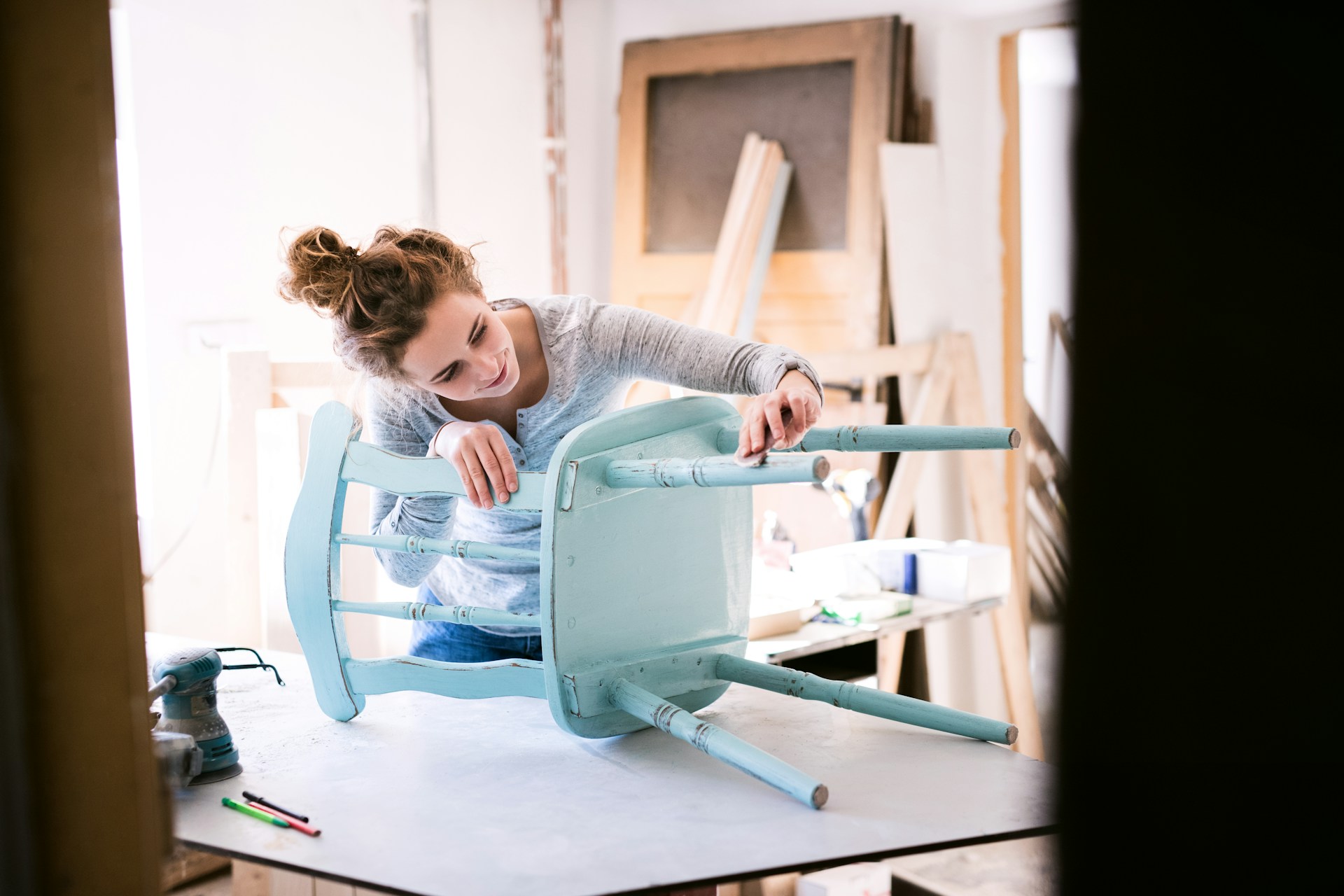
Wood surfaces may require wood filler to repair gouges or imperfections. Furniture, trim, and cabinets often develop small dents or scratches over time, and filling these areas ensures the painted surface looks uniform.
On metal surfaces, rust should be removed before painting. Rust weakens the bond between paint and metal, which can cause paint to peel or flake. Sanding or using a wire brush can help remove rust and restore a stable surface.
The goal is to create a smooth, even foundation before paint is applied.

The Importance of Sanding
Sanding is one of the most important steps in surface preparation, yet it is often overlooked. Sanding smooths rough areas, removes old finishes, and creates a slightly textured surface that helps paint adhere better.
Even surfaces that appear smooth benefit from light sanding. Paint sticks more effectively when it has a surface with a bit of “tooth,” meaning very fine texture that allows the paint to grip.
Different sanding grits are used depending on the stage of preparation. Coarser grits remove material quickly and are useful for stripping old finishes or leveling rough surfaces. Medium grits help smooth out repaired areas and blend them with surrounding surfaces. Finer grits create the smooth final surface needed before painting.
Working through multiple sanding grits often produces the best results. Starting with a coarser grit and gradually moving to finer grits allows imperfections to be removed while still achieving a polished surface.
Many DIY painters find it helpful to keep multiple grits on hand. Multi-grit sandpaper packs can make the process easier because they provide several options for different stages of preparation. For example, packs like the Dura-Gold variety pack include multiple sanding grits ranging from coarse to fine, allowing you to move from aggressive sanding to finish sanding without needing separate purchases.

These types of sanding sheets are versatile and can be used for hand sanding, sanding blocks, or finishing sanders. Because the sheets can be cut into smaller sections, they also work well for different sanding tools and detailed areas. Having several grit options available helps ensure that each step of the sanding process is done properly.
Remove Dust After Sanding
After sanding, it is essential to remove all sanding dust before applying paint or primer. Dust particles left behind can interfere with adhesion and create a gritty texture in the finished paint job.
A vacuum with a brush attachment works well for removing larger amounts of dust from surfaces and corners. After vacuuming, wiping the area with a slightly damp cloth or tack cloth can help capture any remaining particles.
This step is simple but incredibly important. Even small amounts of dust can affect how smooth the final paint surface appears.

Use Primer When Necessary
Primer is another key part of surface preparation that should not be overlooked. While some modern paints advertise built-in primer, there are many situations where a dedicated primer produces better results.
Primer improves adhesion and helps paint bond more effectively to difficult surfaces. It also seals porous materials like wood and drywall so that paint spreads evenly instead of soaking in unevenly.
Primer is especially important when painting over dark colors, repairing patched areas, or painting surfaces that have never been painted before. It also helps block stains and prevents them from bleeding through the paint.
Applying primer creates a more uniform base for the final paint color, which often means fewer coats of paint are needed.
Protect Surrounding Areas
Before painting begins, it is important to protect nearby surfaces from drips, splatters, and accidental brush strokes. Painter’s tape and drop cloths help keep the workspace clean and prevent damage to floors, trim, and fixtures.
Tape should be applied along edges where paint should not go, such as baseboards, window frames, and door trim. Drop cloths can protect floors and furniture from spills.
Taking a few extra minutes to properly protect the surrounding area can save significant cleanup time later.

Preparation Leads to Better Results
A great paint job rarely happens by accident. Behind every smooth, professional-looking finish is careful preparation. Cleaning, repairing, sanding, priming, and protecting the work area all contribute to a final result that looks better and lasts longer.
While preparation may require extra time and effort, it ultimately makes the painting process easier. Paint applies more smoothly, covers more evenly, and adheres more securely when the surface has been prepared correctly.
Whether you are painting walls, furniture, cabinets, or exterior surfaces, taking the time to prepare properly will dramatically improve the outcome. The difference between an average paint job and an excellent one often comes down to the work done before the first brush stroke.
When the surface is clean, smooth, and ready for paint, the final finish can truly shine.