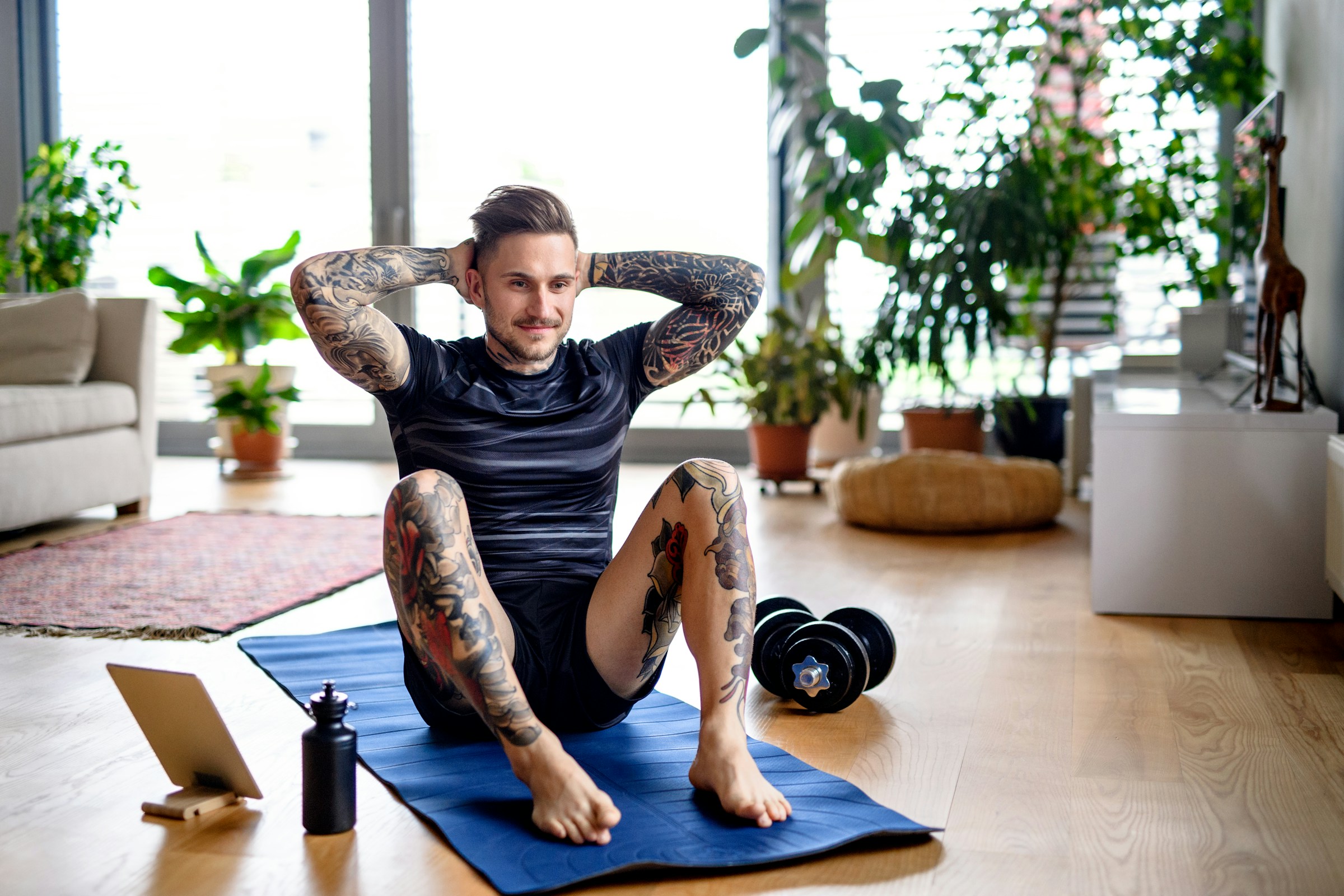
The Optimal Way to Stay Fit at Home
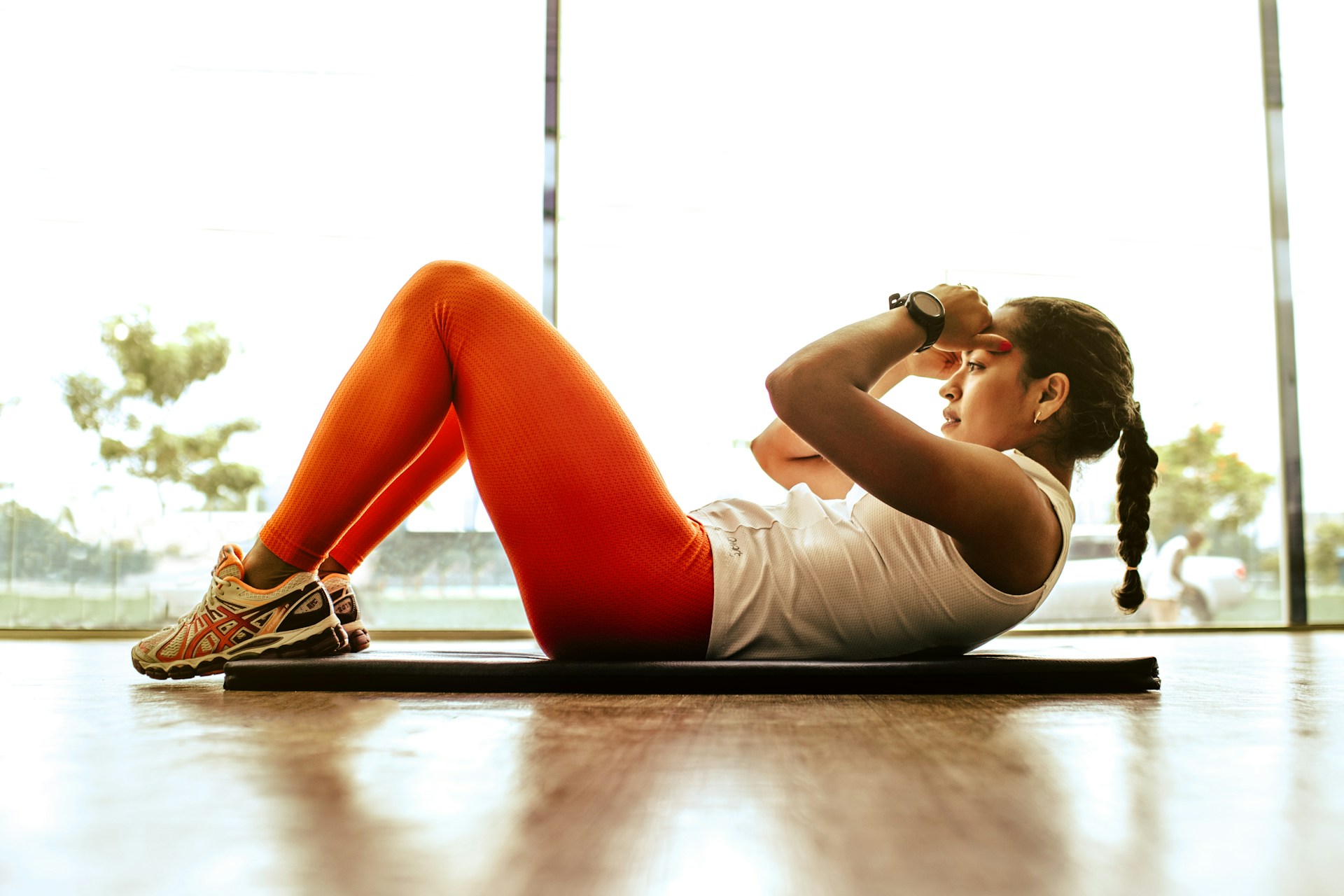
Building a Meaningful Home Fitness Habit
Staying fit at home is not only about improvising workouts in your living room. It is about building a habit that genuinely supports health, improves energy, and fits seamlessly into your daily routine. When people think of home fitness, they often picture quick online videos or temporary motivation during a busy week. Yet real progress happens when exercise becomes a consistent practice rather than a rushed obligation. That means your approach must be sustainable, enjoyable, and realistic for your lifestyle. The challenge is not simply finding exercises, but choosing the right tools, environment, and mindset that allow you to stay active long term. In a world where time feels limited and distractions are everywhere, turning your home into a space that supports your physical well-being is one of the most valuable investments you can make. This commitment transforms exercise from a chore into a rewarding part of your daily rhythm.

Creating Space and Structure for Success
Home fitness thrives when your environment works with you, not against you. It is easy to promise yourself you will exercise later, but without planning and structure those promises fade. A successful routine begins by defining a small dedicated space that encourages movement and focus. It does not need to be a private room or a perfect setup. Even a quiet corner with enough room to stretch and move freely can create structure and reduce mental resistance. Setting a consistent workout time also matters. Treat it the same way you would treat a meeting or class. This predictability reinforces discipline and reduces the fatigue of decision making. People often underestimate how much easier exercise becomes when you remove barriers before they appear. Instead of wondering whether you feel motivated each day, you build a clear routine that makes physical activity a natural part of your home life.
Choosing the Right Tools for Everyday Use
Not all home fitness tools are created equal. Many households accumulate random equipment that ends up gathering dust because it feels inconvenient, uncomfortable, or simply boring over time. To stay consistent, you need equipment that encourages daily use. Simplicity is an advantage. The best tools are those that require minimal preparation and offer safe, controlled movement. At home, the goal is not to mimic every machine in a gym, but to support regular training through efficient equipment that fits your space and schedule. When you reduce friction, you increase consistency, and consistency is the foundation of lasting fitness. Whether it is base cardio, light resistance training, or mobility work, choose equipment that aligns with your goals and feels inviting to use, not intimidating or complex. This mindset keeps your routine flexible while still structured enough to support real progress.

A Focus on Practical and Comfortable Training
Many people begin working out at home with enthusiasm, only to stop when exercises feel uncomfortable or the setup feels inconvenient. The middle section of your fitness journey is where discipline and practicality matter the most. For those looking to build steady cardio strength at home, an indoor cycling setup is one of the simplest and most effective options because it offers low-impact training and smooth repetitive movement that is gentle on the joints. Some at-home cycling brands create accessible machines tailored to everyday users rather than professional athletes. For instance, YOSUDA designs indoor bikes with belt drive systems for quiet riding, which helps households exercise without disturbing others. The brand also focuses on compact frames suited for limited space, adjustable seats and handlebars for comfort, and moderate pricing that fits personal budgets. People appreciate that these bikes are made for consistent real-world use and do not require complex setup or intrusive workout programs. Advice from users often highlights how the equipment supports daily training without overwhelming routines, which is precisely the kind of advantage that keeps people exercising long term. YOSUDA also produces rowers and elliptical trainers, giving households flexible cardio choices without the scale or cost of commercial gym machines. This practicality matters because sustained home fitness relies on accessible and comfortable movement that encourages repetition without strain or intimidation.
Balancing Technology and Simplicity
Some brands fill machines with screens, advanced metrics, and subscription platforms. While those features can be inspiring for certain users, they can also overcomplicate training for others. Many people do not want their fitness routine tied to monthly software fees or mandatory digital programs. They want reliable equipment that works anytime they are ready to train. That is where brands like YOSUDA become appealing for everyday users by keeping the focus on mechanical quality, quiet operation, and structured comfort rather than overwhelming technology. Their magnetic and belt drive systems prioritize smooth exercise, while simple monitors allow users to track essential data like time, speed, and distance without distractions. For households looking for a dependable cardio machine that encourages repetition, this balance between function and simplicity is what makes training approachable. Having a tool that you can step on immediately without navigating menus allows fitness to feel natural and integrated into the flow of your day. In many cases, convenience becomes the deciding factor in whether you maintain your momentum.

Adding Strength Training Without Needing a Full Gym
Cardio is a powerful foundation, but many people find their home routine becomes more complete when they add simple strength training options that do not require multiple machines or constant rearranging. A well-built power rack can act as the central “hub” of a home gym because it supports everything from squats and bench work to pull-downs, rows, and cable movements in one organized footprint. That is why a setup like the Mikolo Power Cage stands out for people who want a more versatile routine at home. With a cable crossover system, LAT pull down, and pulley system built in, it makes it easier to rotate through workouts and keep training interesting without turning your space into a cluttered equipment storage room.

Beyond convenience, having one sturdy station can reduce friction, which is often the hidden reason people skip strength work. When your setup feels stable and ready to use, you are more likely to train consistently and progress safely. A rack rated for heavy loads can also give peace of mind when lifting at home, while the cable and pulley attachments help you target your back, shoulders, arms, and core with smoother, more controlled movement. For anyone building a long-term home fitness habit, adding a multifunction workout cage can be the difference between a routine that stays basic and one that keeps evolving as you get stronger.
Staying Motivated Over Time
Motivation is strongest at the beginning of any goal, but the real test comes weeks later, when life gets busy or energy fluctuates. The key to sustaining progress at home is to combine discipline with variety. You do not need extreme workouts to stay fit. Shorter, consistent sessions can be more effective than intense but sporadic ones. Breaking your training into manageable segments helps avoid burnout. This is one reason home cardio tools are useful: they remove the friction of travel and allow quick transitions between daily tasks and exercise. At the same time, pairing your workouts with music, guided classes, or cycling routines can add variety and entertainment. Making small adjustments like increasing resistance, changing pace, or combining cardio with light strength work keeps sessions engaging. When your equipment is easy to access and supports diverse routines, staying motivated becomes much more practical.
Listening to Your Body and Progressing Safely
A smart home fitness approach is not about pushing to exhaustion every day. It is about building a solid foundation and respecting your physical signals. Joint comfort, muscle recovery, and gradual progression matter more than intensity alone. Low-impact cardio machines, especially those with stable frames and adjustable resistance systems like those used by YOSUDA, support controlled movement that reduces stress on knees and hips. That means you can train consistently without risking common overuse injuries. Measuring progress through endurance, energy levels, or time spent moving can be more reliable than chasing extreme effort. What matters most is creating a routine where your body feels stronger and healthier without unnecessary strain. Over time, that balance will allow you to challenge yourself safely, add resistance as needed, and continue improving without setbacks.

Maintaining Long Term Commitment and Satisfaction
The optimal way to stay fit at home is not defined by a single workout routine or trendy program. It is defined by the habits and environment you cultivate. When exercise becomes part of your lifestyle and not a temporary project, results follow. Having equipment that feels reliable, comfortable, and easy to integrate into your day removes excuses and supports long term consistency. A practical setup, structured schedule, and mindset rooted in patience and enjoyment can transform your home into a meaningful training environment. Fitness is not only about strength or endurance. It is about feeling present in your body, building confidence, and enhancing your daily life. By focusing on usability, comfort, and realistic routines, you create the conditions for success. When staying active becomes something you look forward to instead of something you force, you have unlocked the real power of training at home.