How to Keep Your House Warm This Winter Without Cranking the Heat
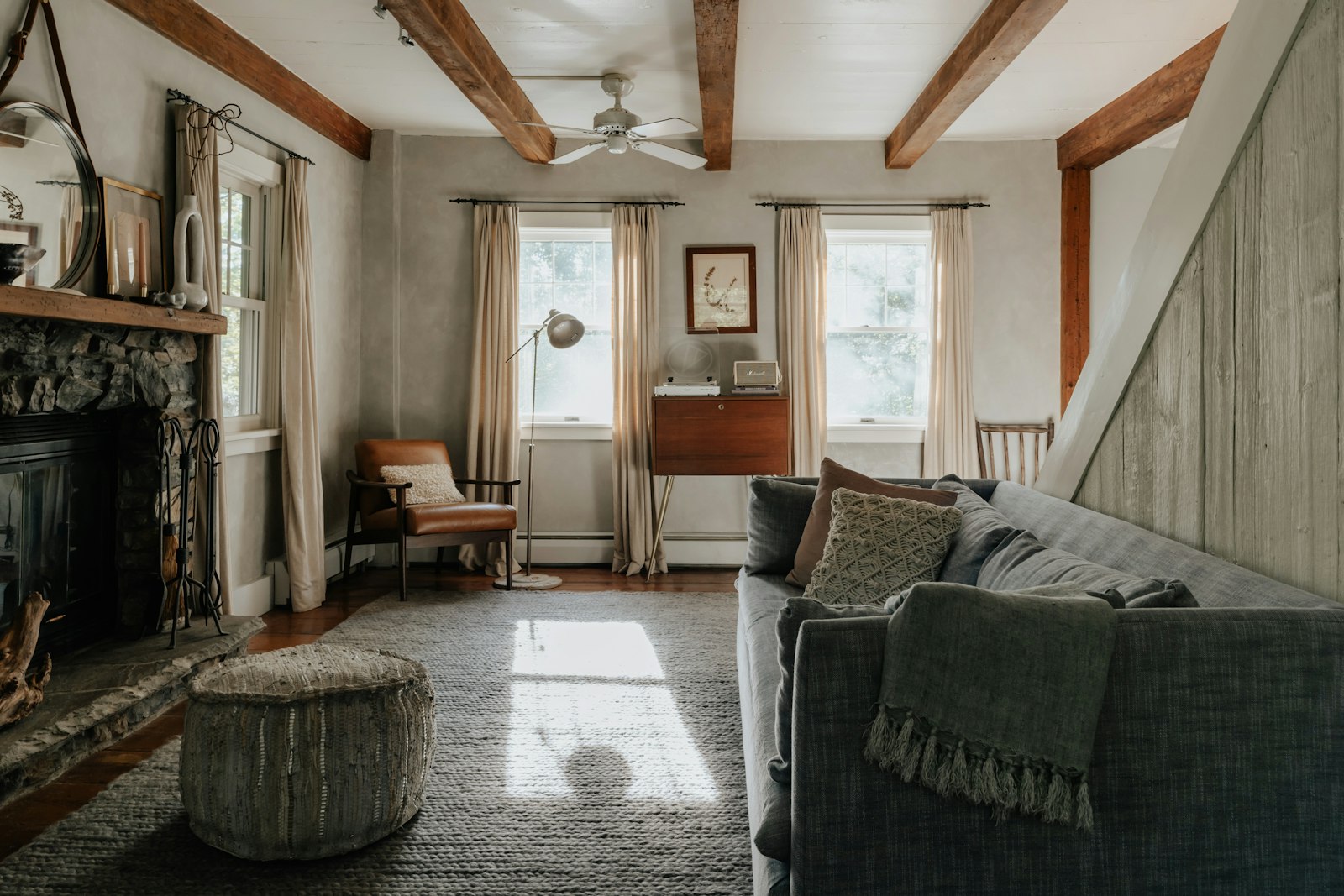
There’s a moment every fall when you realize the house has turned on you. You step out of the shower and the bathroom feels like a walk-in cooler. The dog won’t leave the one sunny patch on the rug. Someone in your family (no names) has started wearing a beanie indoors.
Before you crank the thermostat and brace for the heating bill, try a few smarter fixes. Most are cheap. Some are free. A couple take less time than finding the TV remote.
Here’s how to keep your house warm in winter without turning it into a sauna or your wallet into a sad, empty thing.
The Short Version
- Seal drafts first. It’s the cheapest heat you’ll ever “add.”
- Let the sun in by day and close heavy curtains at night.
- Flip your ceiling fan to clockwise on low.
- Heat the room you’re in, not the whole house, and use space heaters safely.
- Keep the thermostat around 68°F when you’re home and lower it at night.
In This Article
1. Hunt Down the Drafts
Warm air is sneaky. It slips out through gaps around doors, windows, outlets, and attic hatches, and cold air rushes in to take its place.
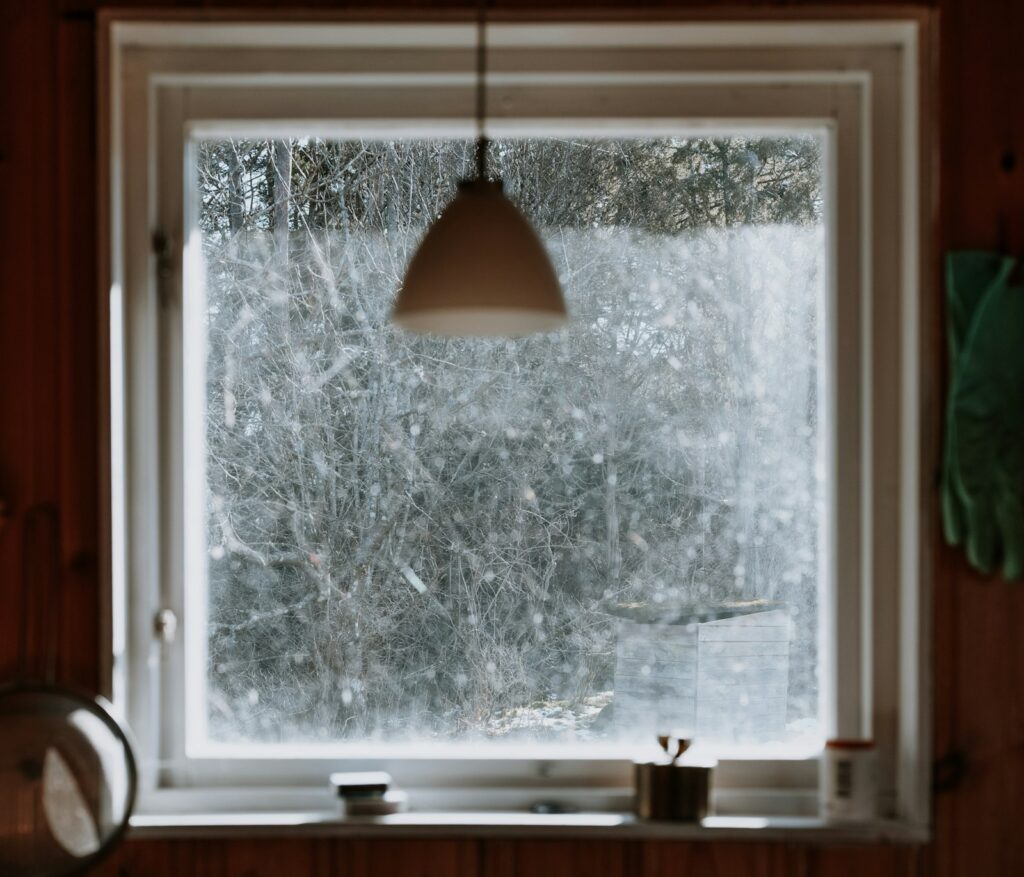
Try this trick: on a windy day, hold a lit candle or stick of incense near window frames and door edges. If the flame flickers or the smoke drifts sideways, you found a leak.
Most fixes cost less than a pizza. Self-stick weatherstripping seals the gaps around doors and windows. A door sweep closes the gap at the bottom of an exterior door. And a fabric draft stopper handles the door you can’t be bothered to fix right now. (A rolled-up towel also counts. We won’t tell.)
Read Now: Easy Home Maintenance Every Homeowner Should Do to Protect Their Investment
2. Let the Sun Do Some of the Work
Free heat, delivered daily. On sunny days, open the curtains and blinds on south-facing windows and let the light warm up the room.
Then close them as soon as the sun goes down. Windows lose a lot of heat at night, and a heavy or thermal-lined curtain puts a real layer of insulation between you and that cold glass.
Got thin, gauzy curtains? Winter is the perfect excuse to swap them for something cozier.
3. Flip Your Ceiling Fan
Yes, your ceiling fan has a winter mode. Most fans have a small switch on the motor housing that reverses the blades.
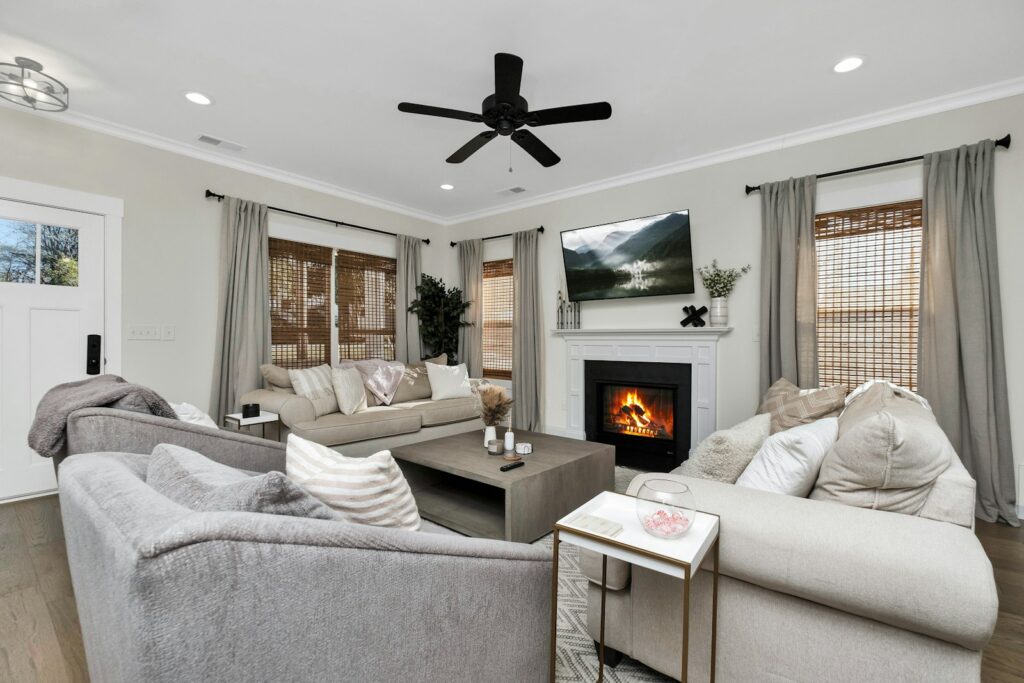
Heat rises and pools near the ceiling. ENERGY STAR recommends running your fan clockwise on low in winter to gently push that warm air back down to where people actually live. Keep it on low, though. A high speed just makes a breeze, and nobody wants a breeze in January.
Read Now: How to Choose the Right Ceiling Fan for Every Room in Your House
4. Warm Up the One Room That’s Always Freezing
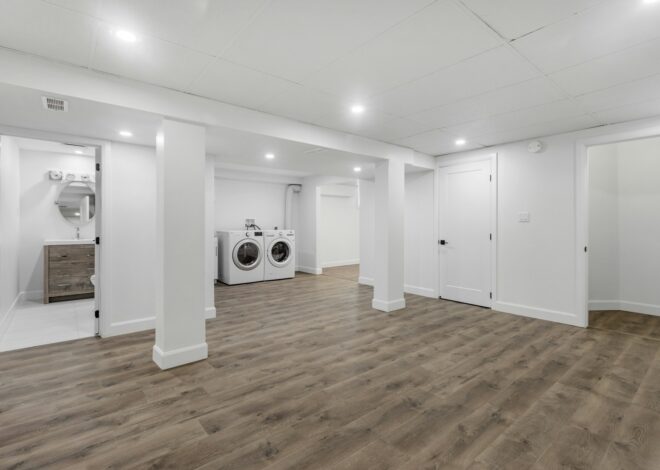
Every house has one. The bedroom over the garage. The home office with the ancient window. The basement den nobody wants to sit in after Thanksgiving.
Instead of heating the entire house to fix one room, heat just that room. A portable space heater is the easiest way to do it, and it lets you keep the rest of the house a few degrees cooler.
If you’re shopping for one, the Lasko Oscillating Digital Ceramic Tower Heater is a solid pick for a bedroom or home office. It’s a slim 23-inch tower that oscillates to spread warmth around the room, and the included remote lets you set the digital thermostat and an auto-off timer of up to 8 hours from across the room. It also has automatic overheat protection and a cool-touch exterior.

Whatever heater you use, follow the basics from the U.S. Fire Administration:
- Keep it at least 3 feet from anything that can burn, like bedding, curtains, and furniture.
- Plug it directly into a wall outlet, never an extension cord or power strip.
- Set it on a flat, solid surface.
- Turn it off when you leave the room or go to sleep.
5. Put Something Soft Under Your Feet
Bare hardwood and tile get cold. Really cold. And cold feet make the whole room feel chillier than it actually is.
An area rug adds a layer between you and the floor, and it makes a room look warmer, too. Bonus points for a thick rug pad underneath. Not ready to buy a rug? A good pair of slippers is the budget version of the same idea.
Read Now: Easy Home Improvements You Can Make in a Weekend
6. Give Your Bed a Winter Makeover
Your crisp summer sheets were great in July. Now they feel like sleeping on a cold dinner plate.
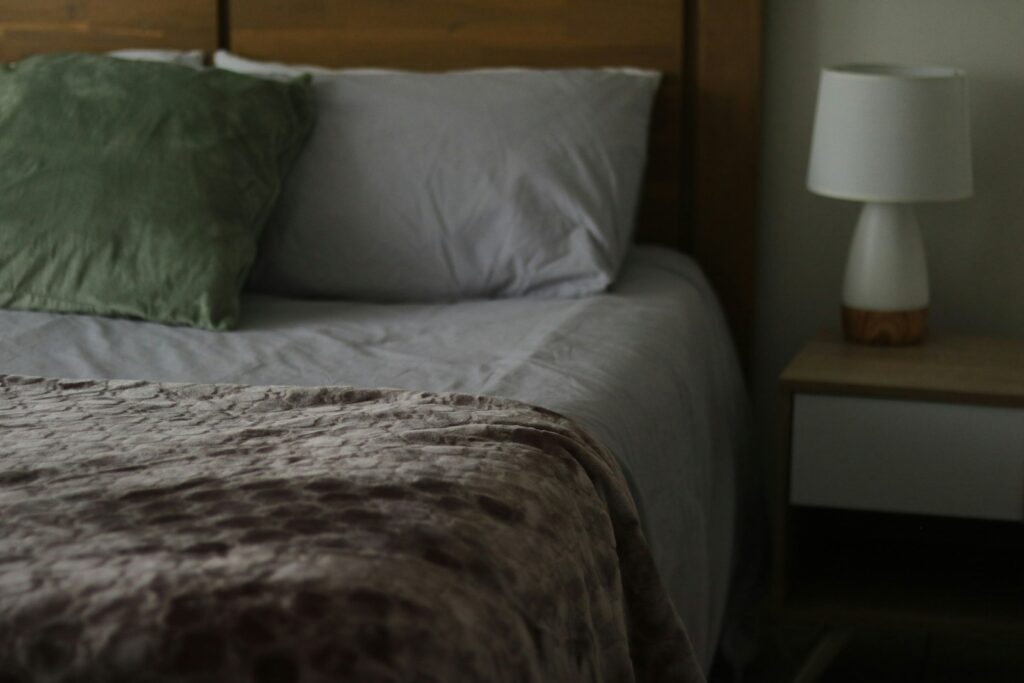
Flannel or jersey sheets feel warm the second you slide in. Layer a lighter blanket under a heavier comforter so you can kick one off if you get too toasty. And if you always run cold, an electric blanket or heated mattress pad lets you warm the bed before you climb in, so you can turn the house thermostat down for the night without suffering.
7. Rethink the Thermostat
Here’s the part nobody loves. A lower setting saves real money.
The U.S. Department of Energy suggests keeping your thermostat around 68°F while you’re awake and home, then turning it down while you’re asleep or away. Setting it back 7 to 10 degrees for eight hours a day can save as much as 10% a year on heating.
A programmable or smart thermostat makes this painless. It can drop the temperature after bedtime and warm things back up before your alarm goes off, so you never actually feel the difference.
8. Add a Little Humidity
Winter air is dry, and dry air feels colder. It also hands you cracked lips and a static shock every time you touch a doorknob.
A humidifier can make a room feel warmer at the same temperature. Aim for indoor humidity between 30% and 50%, the range the EPA recommends. A cheap hygrometer will tell you where you stand. Don’t go much higher, though, or you’ll invite condensation and mold.
9. Use Your Oven’s Leftover Heat
Winter is the official season of baking, and your oven is basically a bonus heater while it’s on.
When you’re done roasting or baking, turn the oven off and crack the door so the leftover warmth drifts into the kitchen. (Skip this if little kids or pets are around.) Just never use your oven or a gas stove to heat your home. That’s a real fire and carbon monoxide risk.
10. Dress for the House You Live In
It sounds obvious, but it works. A cozy sweater, thick socks, and a throw blanket on the couch can make 66 degrees feel perfectly fine.
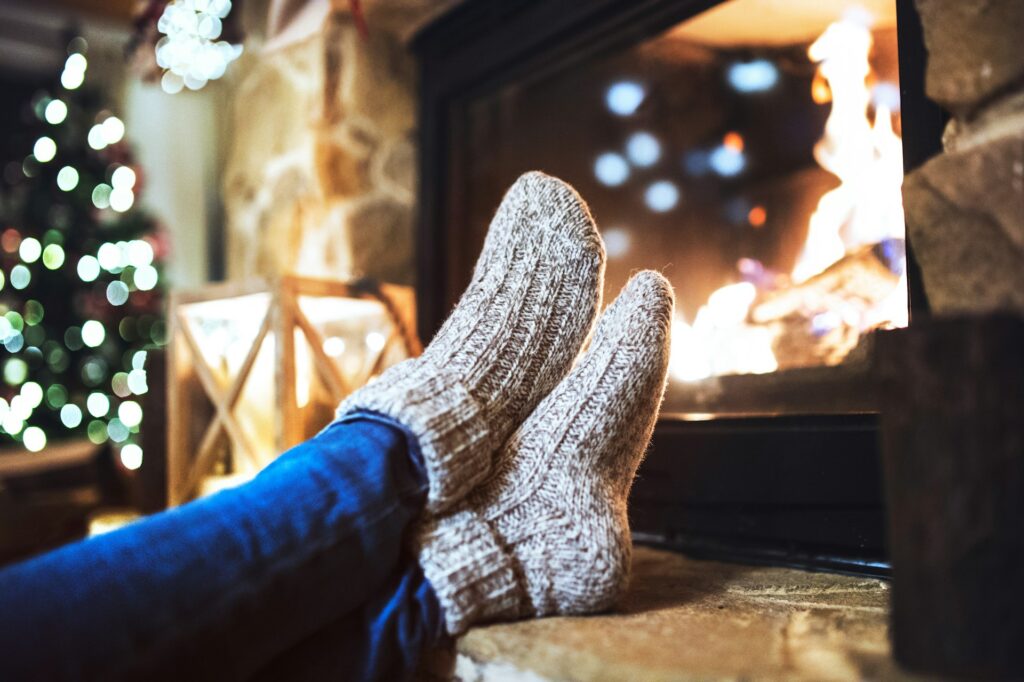
Keep a basket of blankets in the living room so nobody has an excuse to touch the thermostat. Consider it family policy.
Your Winter Warm-Up Cheat Sheet
Not sure where to start? Begin at the top of this list and work your way down.
| Fix | Cost | Why it helps |
|---|---|---|
| Candle test and a rolled-up towel | Free | Finds and blocks drafts |
| Open curtains by day, close them at night | Free | Uses free solar heat and cuts heat loss after dark |
| Reverse your ceiling fan | Free | Pushes warm air down from the ceiling |
| Lower the thermostat at night | Free | Can save up to 10% a year on heating |
| Weatherstripping or a door sweep | Low | Seals leaks around doors and windows |
| Flannel sheets or an area rug | Low to medium | Warmer bed and warmer floors |
| Space heater | Medium | Heats one room instead of the whole house |
| Programmable thermostat | Medium | Automates nighttime setbacks |
How to Keep Your House Warm: FAQs
What temperature should I keep my house at in winter?
The U.S. Department of Energy suggests about 68°F while you are awake and home, and a lower setting while you sleep or are away. Households with babies, older adults, or certain health conditions may need it warmer.
Is a space heater cheaper than turning up the heat?
It can be. If you mostly use one or two rooms, heating just those rooms while lowering the whole-house thermostat often costs less. It depends on your electricity rates and your home heating system.
Is it safe to sleep with a space heater on?
Fire safety experts recommend turning space heaters off when you leave the room or go to sleep. Warm the bedroom before bed, then switch it off, or use an electric blanket instead.
Which way should a ceiling fan spin in winter?
Clockwise, on low speed. That gently pushes warm air that collects near the ceiling back down into the room.
Why does my house feel colder than the thermostat says?
Drafts, cold floors and windows, and dry air can all make a room feel cooler than the actual temperature. Sealing leaks, adding rugs and heavier curtains, and raising the humidity a little can help.
A Warmer House Starts With Small Fixes
You don’t need a new furnace or a full renovation to have a cozier winter. Start with the free stuff: hunt for drafts, let the sun in, and flip the fan. Then add a few small upgrades in the rooms that need them most.
By the time the first real cold snap rolls in, your house will be ready. And that beanie can finally go back in the closet where it belongs.