
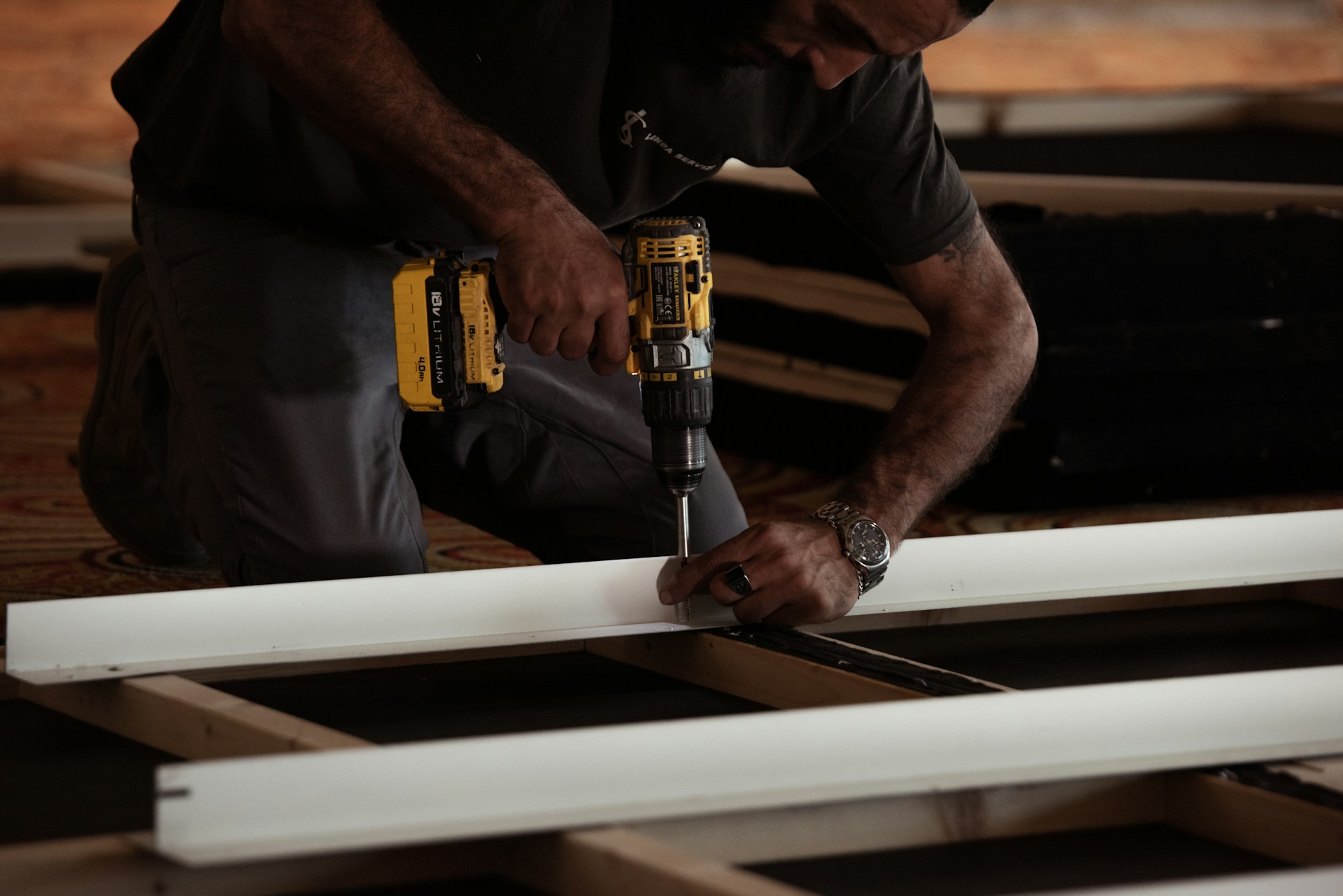
For decades, household chores relied on traditional tools that required outlets, heavy wiring, and constant access to electricity. Tasks such as trimming hedges, cleaning corners, or polishing surfaces often demanded machines that were bulky and restricted by cables. This not only slowed the work but also limited flexibility. The arrival of cordless tools transformed these routines by removing the need for fixed plugs and offering freedom of movement. Families quickly realized that chores could be done faster and with less effort once the obstacles of cables were removed, setting the stage for a new way of approaching everyday tasks.

Technology Shaping Convenience
The evolution of battery technology has driven the success of cordless tools. Rechargeable lithium-ion batteries allow compact devices to store enough energy to power demanding tasks for extended periods. This advancement solved the early frustrations of cordless tools running out of charge too quickly. The result has been a shift from manual or corded devices to machines that combine portability with strength. Consumers who once relied on extension cords for vacuuming stairs or cutting branches now enjoy tools that operate freely and efficiently. The growing confidence in battery performance has made cordless devices reliable companions for both simple and complex projects.
From Gardens to Garages
Cordless tools are no longer limited to a single space. In gardens, lightweight chainsaws and trimmers allow users to prune branches without tangled cords. Inside the home, handheld vacuums clean upholstery and hard-to-reach areas with ease. In garages and workshops, cordless drills, screwdrivers, and measuring devices make repairs and creative projects faster and safer. This versatility reflects a cultural shift toward flexible solutions that adapt to different environments. For many households, cordless tools have become essentials, gradually replacing traditional corded equipment.
Safety and Accessibility
One of the greatest advantages of cordless tools is safety. Cables that once caused tripping hazards or accidental cuts are no longer part of the equation. This makes chores safer in homes with children or pets. Accessibility has also improved, as cordless devices are often lighter and easier to handle. Designed with user-friendly controls, they are approachable even for people with little experience in heavy-duty equipment. Teenagers, older adults, and casual users can all operate them with confidence. This accessibility has widened their appeal, making cordless tools practical across a broad demographic.
The Role of Design in Adoption
Cordless tools succeed not only because of their performance but also because of their design. Manufacturers prioritize creating devices that are sleek, ergonomic, and easy to store. Tools that are visually simple and quick to set up become a natural part of daily life. When a product feels comfortable in hand and looks modern, users are more likely to keep it within reach and use it often. The combination of design and function has created strong emotional connections, with many people associating these tools with efficiency, pride, and independence.

Saker as a Trusted Name
Among emerging brands, Saker has established itself by offering lightweight chainsaws, handheld vacuums, and measuring tools designed with everyday users in mind. By focusing on portability, ease of use, and reliability, Saker has become a popular choice for households seeking cordless solutions without unnecessary complexity. Its products show how a young brand in the tool industry can respond directly to evolving needs by prioritizing safety, compact design, and affordability. Over time, Saker has expanded its catalog to include devices for both indoor and outdoor spaces, reinforcing its reputation as a brand that adapts to daily life.
Consumer Experiences and Expectations
Feedback from users has been central to shaping the cordless tool market. Consumers want devices that balance battery endurance with comfort and durability. Saker products are often praised for their simplicity, making them especially attractive to first-time users. Meeting expectations requires not only reliable technical performance but also long-term service and support. With reputations shaped by online reviews and recommendations, trust is earned through consistent quality. As more households adopt cordless tools, expectations for durability, safety, and after-sales service continue to rise.
Changing Perceptions of Chores
Cordless technology has shifted how people view household and outdoor work. Tasks once seen as exhausting now feel manageable. Using a compact saw to prune trees or a cordless vacuum to clean a car’s interior makes chores quicker and less physically demanding. This shift provides a sense of independence and efficiency, helping families save time and organize their responsibilities more effectively. Instead of being viewed as burdens, chores are reimagined as achievable tasks that support autonomy and confidence.
Sustainability and Energy Use
Cordless tools also play a role in sustainability. Rechargeable batteries reduce the need for disposable batteries, while improved efficiency lowers overall energy consumption compared to older corded devices. Although lithium-ion production raises questions of recycling and sourcing, advances in cleaner energy solutions point toward a more sustainable future. For many households, adopting cordless tools is as much about reducing environmental impact as it is about convenience. Efforts to expand recycling programs and improve battery lifecycles will further support this shift.

Looking Toward the Future
The rise of cordless technology suggests that future homes will continue integrating tools that combine autonomy with intelligent design. As batteries improve and devices become lighter, the line between professional and household equipment will continue to blur. Consumers may soon expect smart features such as automatic power adjustments or maintenance alerts. These advancements will make cordless tools even more indispensable in everyday life. The adoption of cordless technology will also expand beyond tools, influencing smart furniture and integrated home systems where convenience and autonomy are central.
Global Influence of Cordless Innovation
The spread of cordless tools reflects broader economic and cultural changes. In developing regions, they provide access to modern conveniences without the need for complex electrical systems. In industrialized nations, they fit lifestyles that prioritize speed, flexibility, and mobility. This universal appeal positions cordless tools as symbols of modern life, bridging gaps between different households and cultures. By offering accessible solutions, Saker shows how innovation can support a shared experience of efficiency and comfort worldwide.
Balancing Innovation with Responsibility
The growth of cordless tools comes with responsibilities for both brands and consumers. Manufacturers must ensure that their products remain safe, durable, and environmentally responsible, while consumers can support companies that invest in sustainable technologies and transparent practices. Saker’s example demonstrates how innovation, affordability, and responsibility can come together to build trust. As the cordless tool industry evolves, this balance will define whether widespread adoption leads to lasting positive change or new challenges. What remains clear is that Saker and other trusted brands will continue shaping the future of tools that simplify daily work and empower households everywhere.

Conclusion
Cleaning, repairing, and maintaining a home no longer need to feel overwhelming. Cordless tools remove the restrictions of wires and make everyday work simpler, faster, and safer. With trusted names like Saker leading the way, these innovations bring convenience to families worldwide while supporting sustainability and accessibility. The cordless revolution shows that practical design, smart technology, and responsible practices can empower households and redefine how we experience everyday work.