
7 Money Moves to Make Before December 31

December 31 is a hard deadline for a lot of money decisions. 401(k) contributions through payroll, investment losses you want on this year’s return, and donations you want to deduct all have to happen before the calendar flips.
A few moves can wait until April 15, 2027, the tax filing deadline, but they are easy to forget by then. Here are seven things to check off in the next six weeks, with the 2026 numbers for each.
1. Raise Your 401(k) Contribution Before the Last Paychecks

The 2026 employee limit for a 401(k) is $24,500, up from $23,500 last year. If you are 50 or older, you can add an $8,000 catch-up contribution on top of that.
401(k) money only counts for 2026 if it comes out of a 2026 paycheck. If you are paid every two weeks, you may have just two or three checks left, so log in to your plan this week and see how far you are from the limit.
- Do the math: divide what is left to reach the limit by the number of paychecks remaining. That is the dollar amount to set per check.
- Move fast: payroll changes can take one or two pay cycles to kick in.
- Get the full match: at a minimum, contribute enough to collect your employer’s full match. It is part of your pay.
New for 2026: if you earned more than $150,000 in wages last year, your catch-up contributions have to go in as Roth (after-tax) money.
2. Plan Your IRA Contribution (You Have Until April)
The IRA limit for 2026 is $7,500, plus another $1,100 if you are 50 or older. That limit covers traditional and Roth IRAs combined, not each one separately.
You can make 2026 IRA contributions until April 15, 2027. Doing it now gets the money invested sooner and takes it off your list.
Watch the Roth income limits. For single filers in 2026, the amount you can put in a Roth IRA starts shrinking at $153,000 of modified adjusted gross income and drops to zero at $168,000. If you are close to that line, wait until you know your final income.
3. Use Your HSA and FSA Money
HSA limits for 2026 are $4,400 for self-only coverage and $8,750 for family coverage, plus $1,000 more if you are 55 or older. Like an IRA, you have until April 15, 2027 to contribute for 2026.
An FSA works differently. Most FSA money is use-it-or-lose-it. Check whether your plan has a grace period into March or lets you carry over part of the balance. If it does not, book the eye exam, refill prescriptions or buy approved supplies before December 31.
4. Harvest Investment Losses

If you sold stocks or funds at a gain this year, selling losing positions before December 31 can offset that gain. Losses beyond your gains can lower your ordinary income by up to $3,000 a year, and anything left over carries forward to future years.
For stocks and funds, watch the wash sale rule. If you buy the same or a substantially identical investment within 30 days before or after the sale, you cannot claim the loss yet.
Crypto is treated differently. The IRS treats crypto as property, not a security, so under current rules the wash sale rule does not apply. You can sell a coin at a loss and buy it back right away. Congress has discussed changing this, so check the rules before you count on it.
5. Get Your Crypto Records in Order
Crypto exchanges started sending Form 1099-DA to customers and the IRS this year, covering 2025 sales. For 2026 sales, the form will also show your cost basis (what you paid), but only for coins bought on or after January 1, 2026 and kept on that same exchange.
That leaves gaps. Coins bought before 2026, coins moved between exchanges and anything held in a personal wallet will not have cost basis on the form. If you do not report your own cost basis for those sales, you could pay tax on the full sale price instead of just your gain. Before the year ends, gather:
- A list of every exchange and wallet you used in 2026, including accounts you closed
- Purchase dates and prices for coins you bought before 2026
- Transfers between your own accounts, so they are not counted as sales
- Staking rewards and airdrops, which count as income when you receive them

CoinTracker is one way to pull all of this together. It connects to more than 500 exchanges, wallets and blockchains, works out your gains, losses and cost basis, and builds Form 8949 and Schedule D for TurboTax, H&R Block or your accountant.
You can connect your accounts and preview a tax summary on CoinTracker for free, and you only pay when you download your forms. It also flags positions where harvesting a loss could lower your tax bill, which ties back to step 4.
6. Make Your Donations Count

Starting with 2026, you can deduct charitable gifts even if you do not itemize: up to $1,000 in cash donations if you file single, or $2,000 if you file jointly. It has to be cash given to a qualifying charity. Gifts to donor-advised funds do not count, and neither do donated items like clothing.
If you itemize, there is a new floor: donations up to 0.5% of your adjusted gross income are not deductible. Some people now bunch two years of giving into one year to get past it.
Either way, the gift has to be made (or charged to your card) by December 31. Keep the receipt.
7. Set Up Next Year Before January 1
A few minutes now saves you from repeating this scramble next December. Start with how you track money during the year.
Track Side-Income Deductions All Year
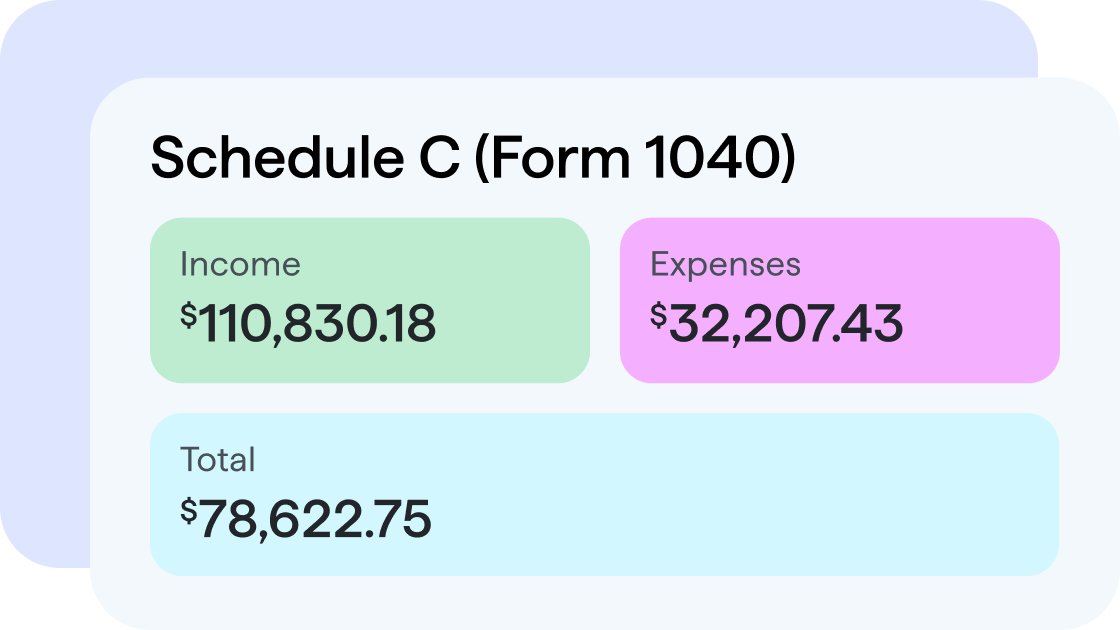
Have freelance or side-business income? Quicken Business & Personal keeps your business and personal accounts in one app, sorts expenses into tax categories (Schedules A, B and C through F) and stores receipts, so next year’s return isn’t a scramble. It comes with a 30-day free trial.
Then run through this list before New Year’s Eve:
Year-End Money Checklist
- Check your year-to-date 401(k) total and update your contribution rate
- Confirm you are getting the full employer match
- Decide on IRA and HSA contributions (deadline: April 15, 2027)
- Spend your FSA balance or confirm your plan’s carryover rules
- Review gains and losses in taxable accounts before December 31
- Download your 2026 transaction history from every crypto exchange and wallet
- Make and document charitable gifts by December 31
- Put April 15, 2027 on your calendar
Here are the 2026 numbers in one place:
| Account | 2026 limit | Extra if older | Last day for 2026 |
|---|---|---|---|
| 401(k) | $24,500 | +$8,000 (age 50+) | Your last 2026 paycheck |
| IRA (traditional + Roth) | $7,500 | +$1,100 (age 50+) | April 15, 2027 |
| HSA | $4,400 self / $8,750 family | +$1,000 (age 55+) | April 15, 2027 |
| Charity deduction (no itemizing) | $1,000 single / $2,000 joint | None | December 31, 2026 |
Final Thoughts
Most of these moves take less than an hour. The ones with a hard December 31 deadline are the 401(k) payroll change, tax-loss selling and donations, so start there. Then use the extra time until April for IRA and HSA contributions.
This article is general information, not tax advice. If your situation is complicated, a tax professional can tell you which moves make sense for you.
Read now: Easy Tips That Help Everyday Investors Grow Their Money