Everything You Need to Start Learning Guitar
Learning guitar is one of those hobbies that feels exciting from the start. You do not need a full studio, expensive lessons, or a complicated setup to begin. What you really need is the right starter gear, a simple practice space, and a realistic plan that keeps you motivated long enough to improve.
The nice thing about guitar is that progress can happen quickly in the beginning. Once you learn a few chords, basic strumming, and how to keep the guitar in tune, you can start playing simple songs. That early progress is what makes people stick with it.
Here is everything a beginner needs to start learning guitar at home.
Start With the Right Guitar
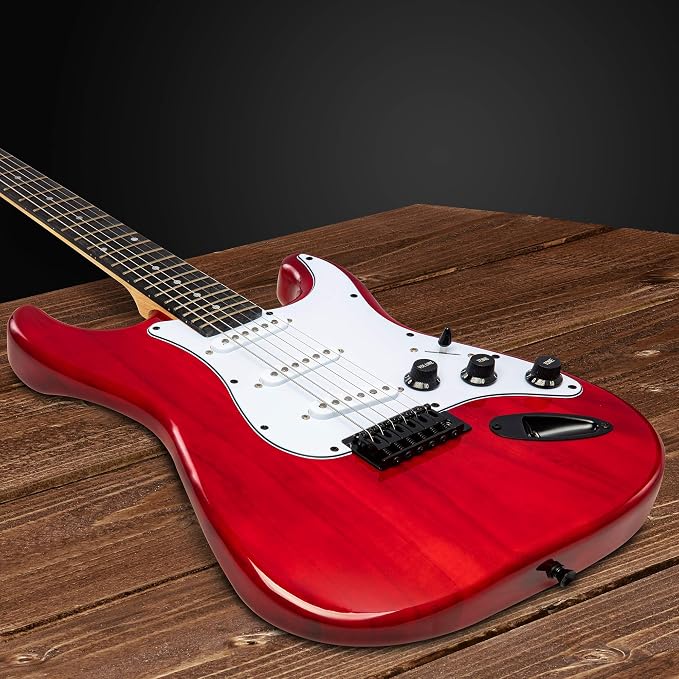
The first step is choosing a guitar that feels approachable. Beginners often get overwhelmed because there are so many options: acoustic guitars, electric guitars, full-size guitars, smaller guitars, different body shapes, different strings, and different price points.
For many beginners, an electric guitar can actually be easier to start with because the strings are usually lighter and the body is thinner. That can make it more comfortable to hold and play, especially when your fingers are still getting used to pressing the strings.
A full-size electric guitar is a good choice for teens and adults because it gives the player a real instrument they can grow into. For younger kids, a smaller size may be more comfortable, but for most beginners, a standard electric guitar works well.
The most important thing is to choose a guitar that makes you want to pick it up. If it looks good, feels comfortable, and has the sound you like, you are more likely to practice.
Get an Amplifier
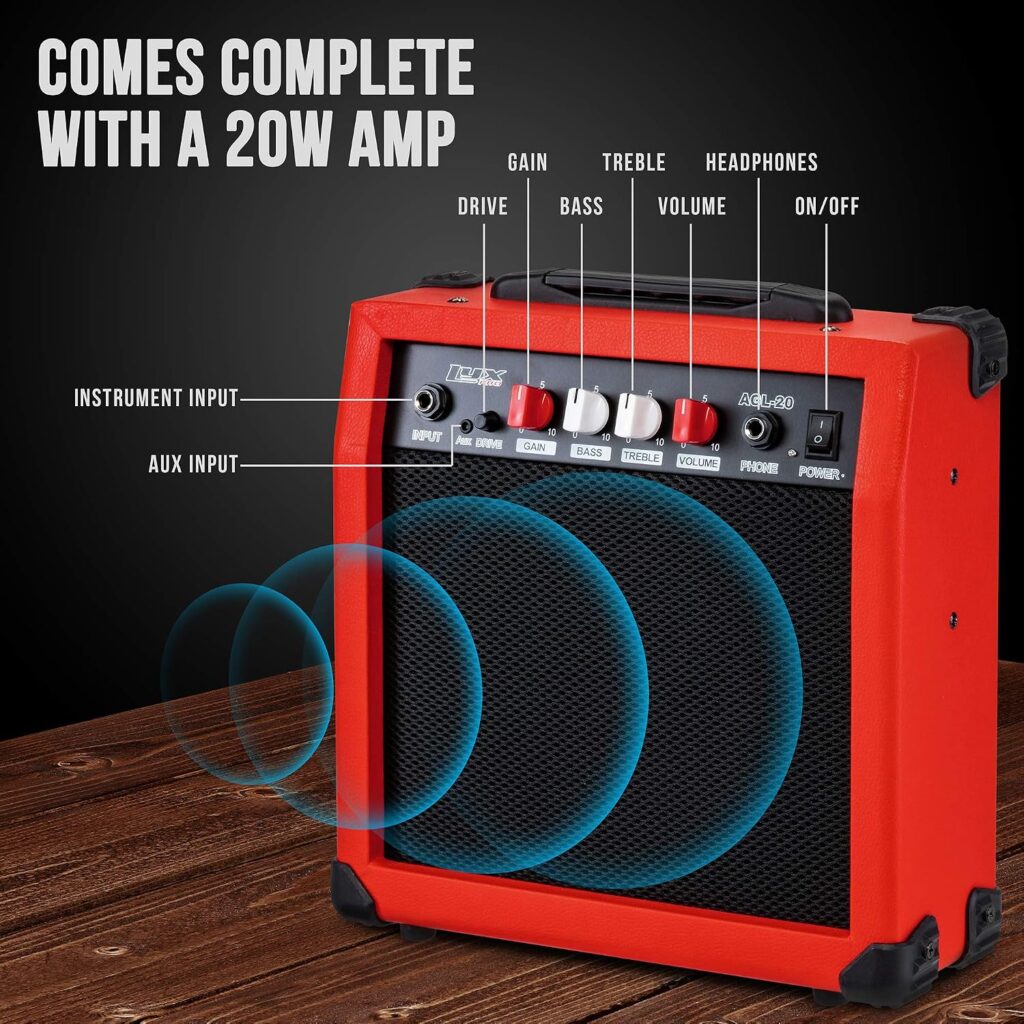
If you are learning electric guitar, you will need an amplifier. The amp is what turns the sound of the electric guitar into something fuller and more exciting.
A beginner does not need a huge amp. In fact, a smaller practice amp is usually better for home use. It gives enough sound to enjoy playing without taking over the whole house.
A simple amp lets beginners experiment with volume, tone, and basic effects. This can make practice more fun because you are not just hearing dry string noise. You are hearing the guitar sound closer to how it feels in songs.
That matters because motivation is a big part of learning. The more enjoyable the guitar sounds, the more likely a beginner is to keep practicing.
Make Sure You Have a Tuner
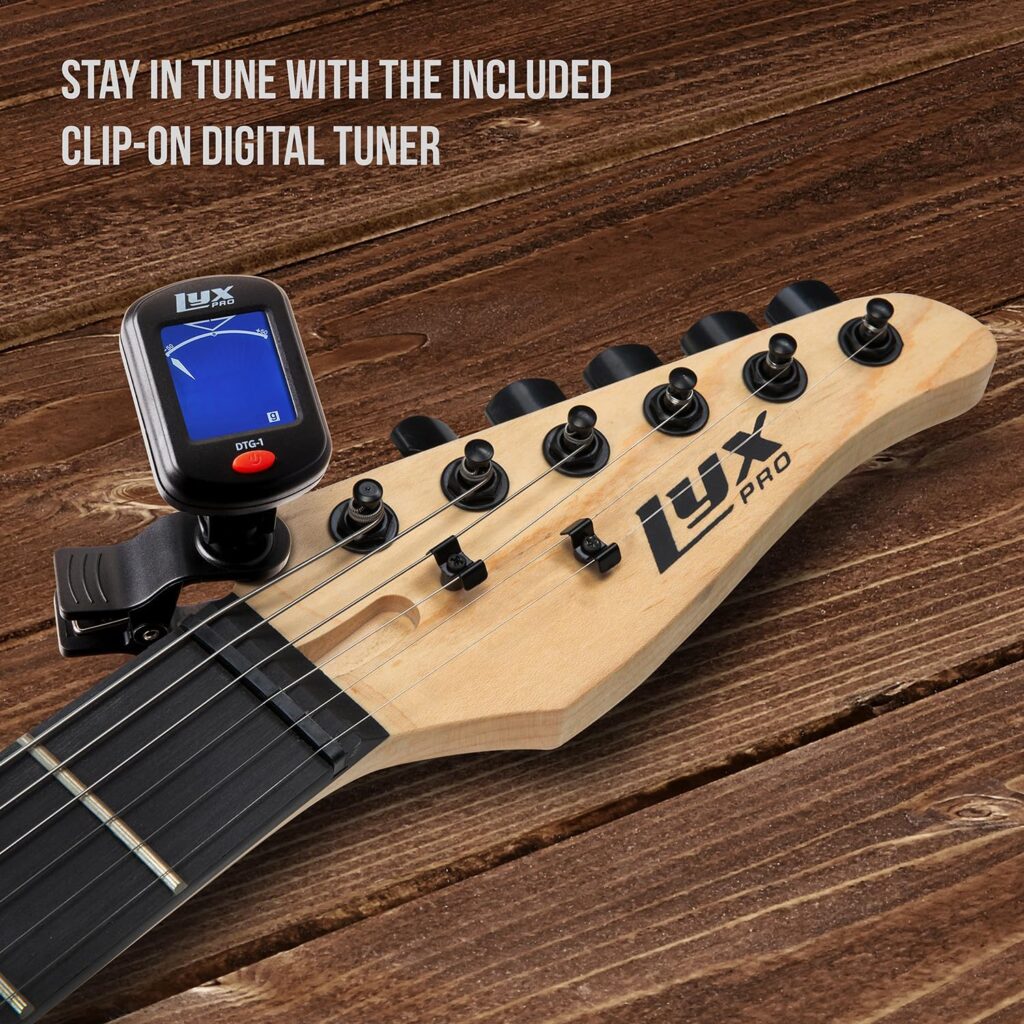
A tuner is one of the most important guitar accessories. If the guitar is not in tune, everything sounds wrong, even when you are playing the right notes.
A digital clip-on tuner is especially beginner-friendly because it attaches to the guitar and quickly shows whether each string is too high or too low. It takes the guesswork out of tuning.
Beginners should get into the habit of tuning before every practice session. It only takes a minute, and it trains your ear over time. Starting with a properly tuned guitar makes practice less frustrating and helps chords sound cleaner.
Stock Up on Picks and Strings
Guitar picks are small, inexpensive, and easy to lose. Every beginner should have a few extra picks nearby. Different thicknesses can feel different in the hand, but most beginners do well with medium picks because they are versatile.
Extra strings are also helpful. Strings can break, wear out, or lose brightness over time. Beginners may not replace strings often at first, but having a set available is useful.
Learning how to change strings is part of becoming comfortable with the instrument. It may seem intimidating the first time, but it is a basic skill that every guitarist eventually learns.
Use a Strap for Comfort
A shoulder strap is useful even if you mostly practice sitting down. It helps support the guitar and can make it easier to keep the instrument in a stable position.
If you plan to practice standing, a strap is essential. It lets you hold the guitar at a comfortable height and keeps your hands free to focus on playing.
Good posture makes learning easier. When the guitar keeps sliding around, beginners tend to tense up. A strap helps the guitar feel more secure.
Keep the Guitar Protected
A case bag is another practical item beginners should have. Even if the guitar mostly stays at home, a bag helps protect it from dust, scratches, and minor bumps.
It also makes the guitar easier to transport if you go to lessons, visit a friend, bring it to school, or take it somewhere to practice.
A beginner guitar does not need to be babied, but it should be cared for. Keeping it protected helps it last longer and makes the whole setup feel more organized.
Why a Starter Kit Can Make Learning Easier
Buying every piece separately can be confusing for beginners. You might get the guitar but forget the tuner. You might buy picks but not realize you need a strap. You might choose an amp that is too large, too expensive, or more complicated than you need.
That is why a beginner guitar kit can be a smart starting point. A kit gives you the main essentials in one purchase, so you can start playing right away instead of trying to build a setup piece by piece.
A starter kit is also a great gift because it feels complete. Instead of handing someone only a guitar, you are giving them the basic tools they need to actually begin learning.
A Beginner-Friendly Option From LyxPro
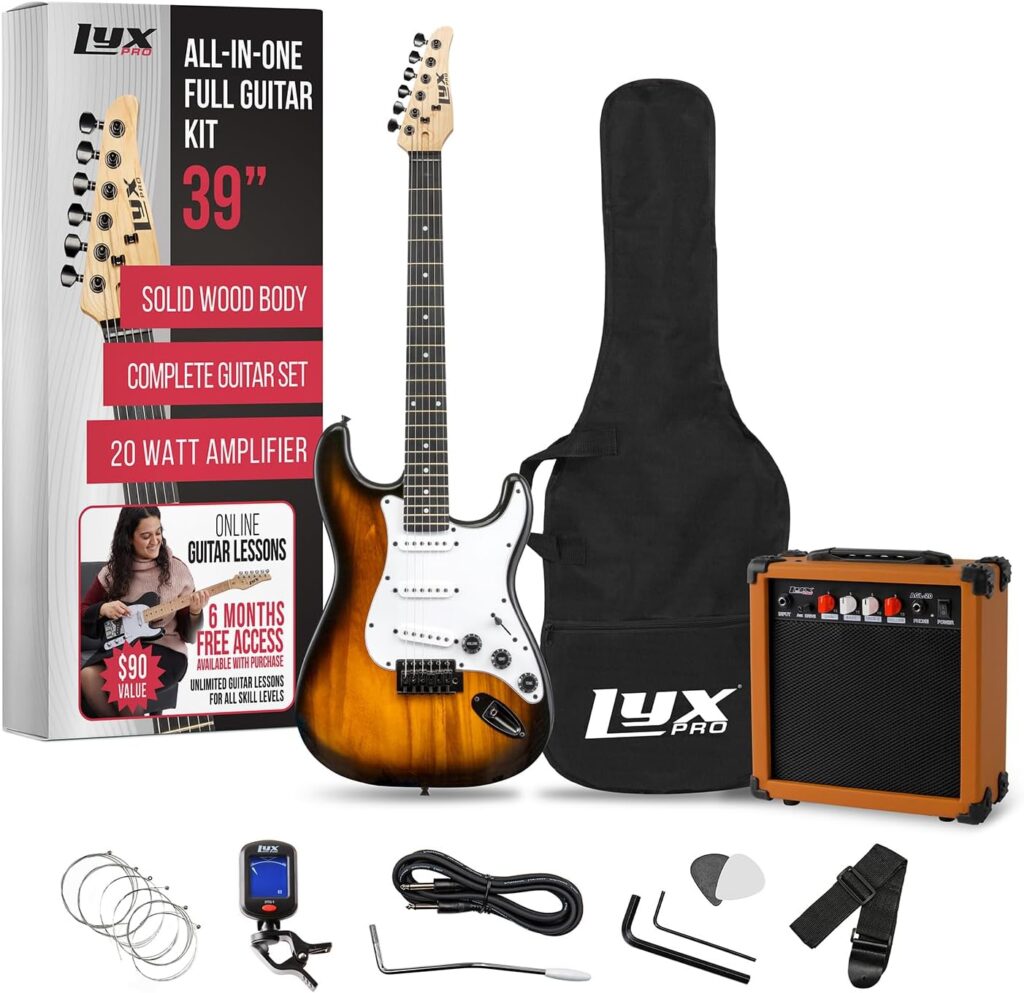
For anyone looking for a ready-to-go beginner setup on Amazon, LyxPro is worth considering. The brand offers beginner guitar kits that are designed to give new players the essentials in one bundle.
One option is the LyxPro 39 inch Electric Guitar Kit Bundle, which includes a full-size electric guitar, a 20w amplifier, accessories, a digital clip-on tuner, six strings, two picks, a tremolo bar, a shoulder strap, and a case bag.
That kind of bundle is helpful because it removes a lot of the confusion from getting started. Instead of trying to figure out which amp, tuner, strap, picks, and bag to buy separately, a beginner can get the core setup together.
The 39-inch full-size guitar gives teens or adults something that feels like a real instrument, while the included amp makes practice more enjoyable. The tuner helps keep the guitar sounding right, the picks and strings cover common basics, and the case bag makes storage and transportation easier.
For someone buying their first guitar, or for a parent choosing a gift for a beginner, a complete kit like this can make the first step feel much less intimidating.
Set Up a Simple Practice Space
Once you have the gear, the next step is creating a place to practice. It does not need to be a dedicated music room. A corner of a bedroom, living room, office, or garage can work.
The key is to keep everything easy to reach. If the guitar is packed away in a closet, you are less likely to practice. If it is nearby, tuned, and ready to play, picking it up for ten minutes feels easier.
Keep the guitar, amp, tuner, picks, and strap together. You can also keep a notebook nearby to track chords, songs, or practice goals.
A simple setup removes friction. The easier it is to start, the more often you will play.
Learn the Basics First
Beginners do not need to learn everything at once. Start with the fundamentals: how to hold the guitar, how to tune it, how to play a few basic chords, and how to strum evenly.
Chords like G, C, D, E minor, and A minor are common starting points because they appear in many beginner songs. Once you can switch between a few chords, the guitar starts to feel more useful.
It is also helpful to practice slowly. Speed comes later. Clean chord changes and steady rhythm matter more in the beginning.
Even ten to fifteen minutes a day can lead to progress if you are consistent.
Make Practice Fun
The best way to keep learning guitar is to make practice enjoyable. Do not only practice exercises. Learn parts of songs you actually like. Try simple riffs. Play around with different amp settings. Record yourself and listen back.
Beginners often quit when practice feels like homework. The goal is to build enough skill while still enjoying the instrument.
A good starter setup helps with that because it makes playing feel real from day one. When the guitar sounds good and everything you need is nearby, practice feels more rewarding.
Final Thoughts
Starting guitar does not have to be complicated. A beginner needs a comfortable guitar, an amp, a tuner, picks, strings, a strap, a case bag, and a simple place to practice.
The right setup can make learning feel more approachable and more fun. That is why beginner guitar kits are such a practical option. They give new players the core tools they need without forcing them to figure everything out separately.
For anyone ready to start learning at home, a complete option like the LyxPro 39 inch Electric Guitar Kit Bundle on Amazon can be a simple way to begin. With the guitar, amp, tuner, accessories, picks, strings, strap, and bag included, it gives beginners a strong starting point for building a hobby that can last for years.