How to Get the Most Bang for Your Buck When Buying Your Next TV
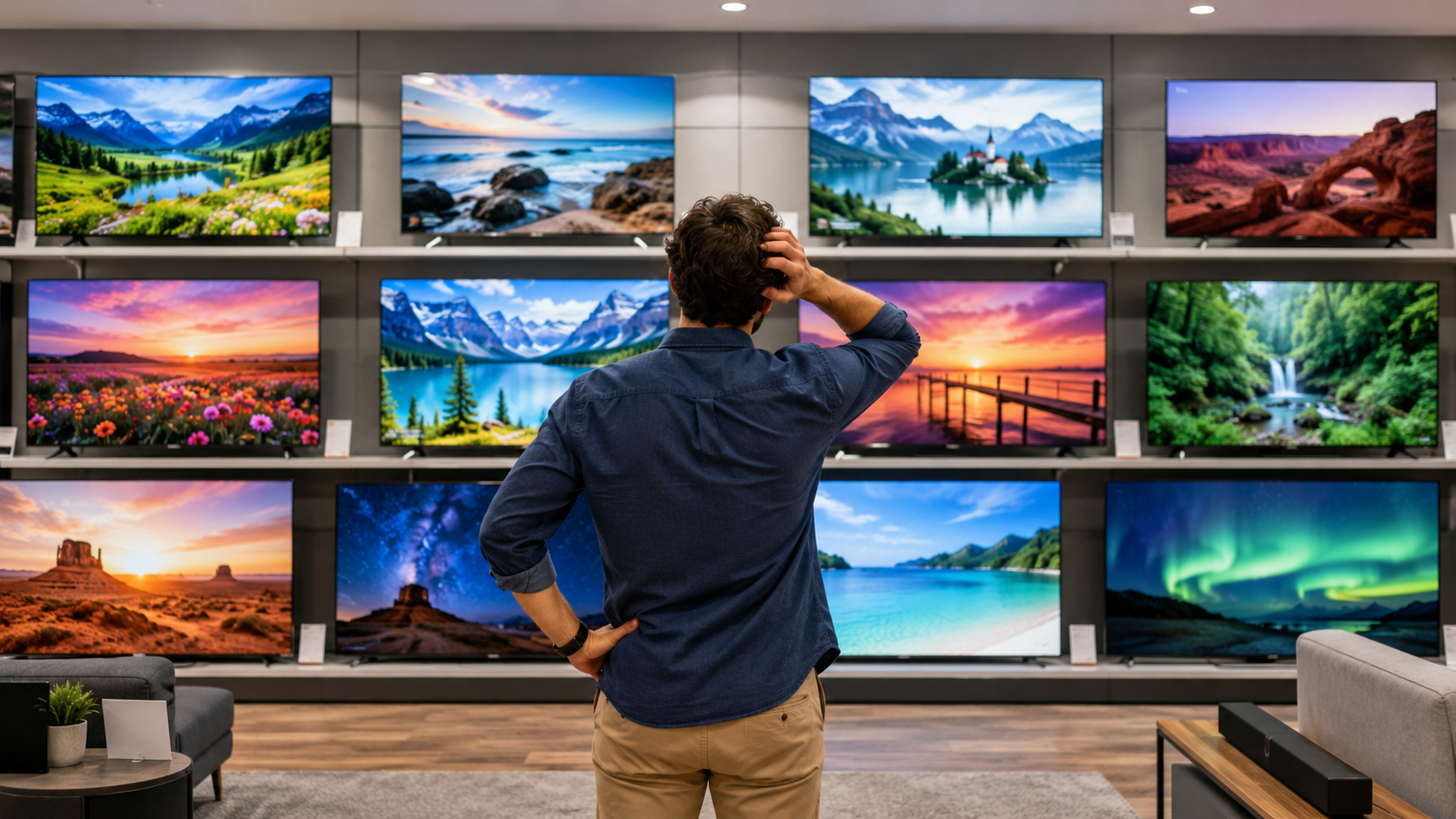
Buying a new TV can feel overwhelming fast. There are dozens of brands, screen sizes, display types, smart features, refresh rates, and price points all competing for your attention. One TV might look like a bargain until you realize it is missing important features. Another might look premium but cost more than you actually need to spend.
The good news is that getting a great TV does not always mean buying the most expensive one. If you know what features matter most, where you can save, and what to ignore, you can get a better viewing experience without overpaying.
Whether you are upgrading your living room, building a home theater setup, replacing an older TV, or shopping for a bedroom screen, here is how to get the most bang for your buck when buying your next TV.
Start With the Right Screen Size
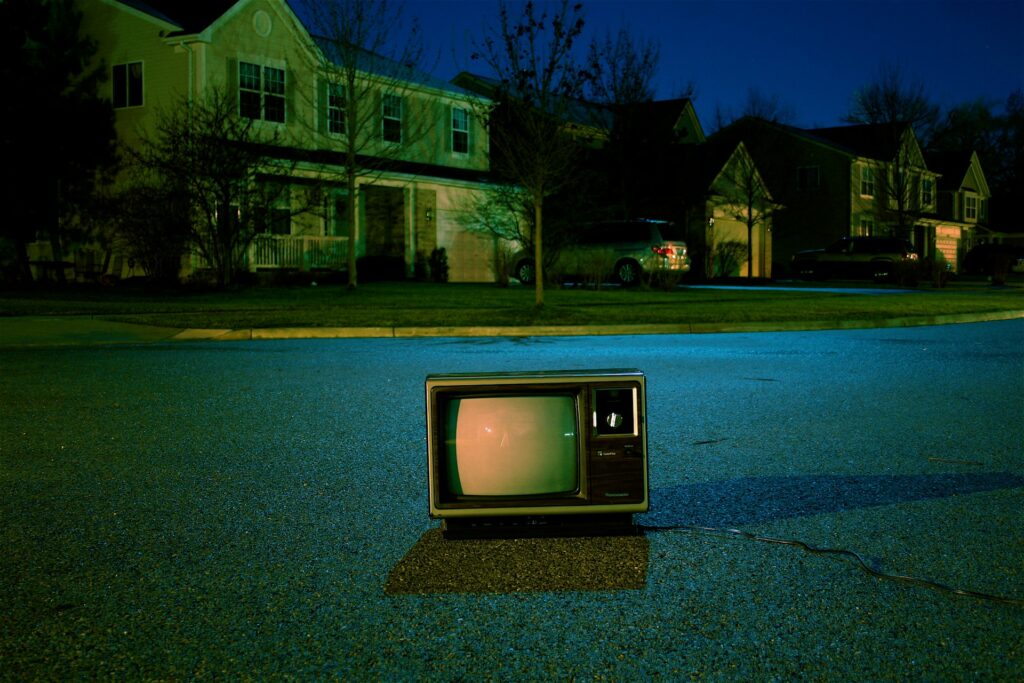
Screen size is one of the first things people think about when buying a TV, and for good reason. A bigger screen can make movies, sports, gaming, and streaming feel more immersive. But bigger is only better if it actually works for your room.
Before you buy, think about where the TV will go and how far away you usually sit. A large TV can feel amazing in a living room, but it may feel overwhelming in a small bedroom or apartment. On the other hand, buying too small can leave you wishing you had spent just a little more.
For most people, the best value is often in the middle-to-large range. A TV that feels noticeably bigger than your current one can make the upgrade feel worthwhile, even if you do not choose the largest size available.
The goal is not just to buy the biggest screen. The goal is to buy the right screen for the space you actually use.
Do Not Pay for Features You Will Never Use
One of the easiest ways to overspend is buying a TV based on impressive-sounding features you may never actually use. Some specs matter a lot. Others only matter for certain shoppers.
For example, a serious gamer may care about refresh rate, HDMI 2.1 ports, low input lag, and variable refresh rate. A movie lover may care more about contrast, brightness, color, and support for HDR formats. Someone who mostly watches casual streaming may not need the most advanced gaming features or the highest-end display technology.
Before shopping, ask yourself what you actually watch most. Is it Netflix, YouTube, sports, gaming, cable, movies, or background TV? Your answer should guide the features you prioritize.
The best TV for your money is not always the one with the longest spec sheet. It is the one that matches your real habits.
Pay Attention to Picture Quality, Not Just Brand Name
A well-known brand name can be reassuring, but it should not be the only reason you buy a TV. Two TVs from different brands can offer similar features at very different prices. Sometimes, you can get stronger value by focusing on the actual picture technology instead of only shopping by logo.
Look for features that directly affect everyday viewing. Brightness matters if your room gets a lot of natural light. Contrast matters if you watch movies at night. Color performance matters if you want shows and films to look more vivid. 4K resolution is now standard for many TVs, but the processing and upscaling can still make a difference when watching lower-resolution content.
A TV should look good in the way you actually use it. A screen that performs well in your room, with your lighting, and your favorite content is worth more than a famous badge on the box.
Think About Brightness If Your Room Has a Lot of Light
A TV can have great specs and still feel disappointing if it looks washed out during the day. If your living room has big windows, bright lighting, or glare, brightness becomes more important.
This is especially true for sports, daytime TV, and casual streaming. A brighter TV can make the picture easier to see and more enjoyable in rooms that are not perfectly dark.
If your TV will go in a bright living room, do not only compare screen size and price. Look for models known for strong brightness and good reflection handling. That can make a bigger difference than you might expect.
If your TV is mostly going in a dark bedroom or dedicated movie room, contrast and black levels may matter more than peak brightness. Matching the TV to the room is one of the smartest ways to get better value.
Make Sure the Smart TV Platform Works for You
Most TVs today come with built-in smart features, but not all smart TV experiences feel the same. Some are easier to navigate, some have more apps, and some feel faster than others.
If you already use a streaming device like Roku, Apple TV, Fire TV, or Chromecast, the built-in platform may not matter as much. But if you plan to use the TV’s built-in apps every day, make sure the interface feels simple and has the services you actually use.
A smart TV should make streaming easier, not more frustrating. Look for a layout that feels clean, responsive, and familiar. If the platform is slow or missing apps, you may end up buying a separate streaming device anyway, which adds to the real cost.
Do Not Forget About Sound
TV picture quality gets most of the attention, but sound matters too. Modern TVs are thinner than ever, which means built-in speakers are not always impressive. If you care about movie nights, sports, or music, you may want to budget for a soundbar.
That does not mean you need a full surround sound setup. Even a simple soundbar can make dialogue clearer, explosions fuller, and everyday TV more enjoyable.
When comparing TVs, remember that the best value may be a slightly less expensive TV paired with a decent soundbar instead of spending your entire budget on the screen alone. A balanced setup can feel more premium than a TV with great picture but weak sound.
Know When Premium Display Features Are Worth It
Display technology can get confusing. You may see terms like Mini-LED, QLED, OLED, local dimming, HDR, and 4K upscaling. Some of these features can genuinely improve the viewing experience, but they are not all equally important for every buyer.
Mini-LED can be useful because it can help with brightness and contrast. Local dimming can improve dark scenes by controlling lighting zones more precisely. HDR can make supported content look more dynamic when the TV is bright enough to show it well. Good 4K upscaling helps older shows, live TV, and lower-resolution content look cleaner on a 4K screen.
The trick is to look for features that improve the way you actually watch TV. Do not pay extra just because a feature sounds impressive. Pay extra when it makes your movies, sports, shows, or games look noticeably better.
Shoutout to Brands Like Hisense
This is where brands like Hisense are worth considering. Hisense has become a popular option for shoppers who want premium-style TV features without paying the highest prices from some of the biggest luxury-positioned names.
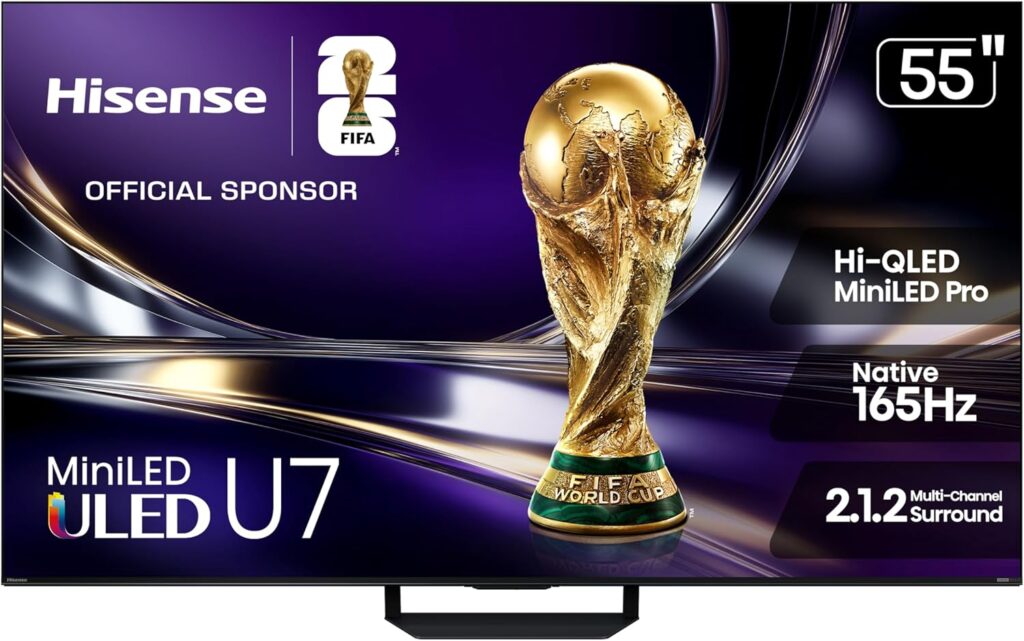
For value-conscious buyers, that matters. A lot of people want features like Mini-LED options, strong brightness, 4K upscaling, smart TV convenience, and a more cinematic viewing experience, but they do not necessarily want to spend top-tier prices to get them.
That is the sweet spot where Hisense often appeals to budget-minded home theater shoppers and tech enthusiasts who care about performance but still want a smart deal. The brand can be especially interesting if you want a larger screen or more advanced display features while still keeping the overall budget under control.
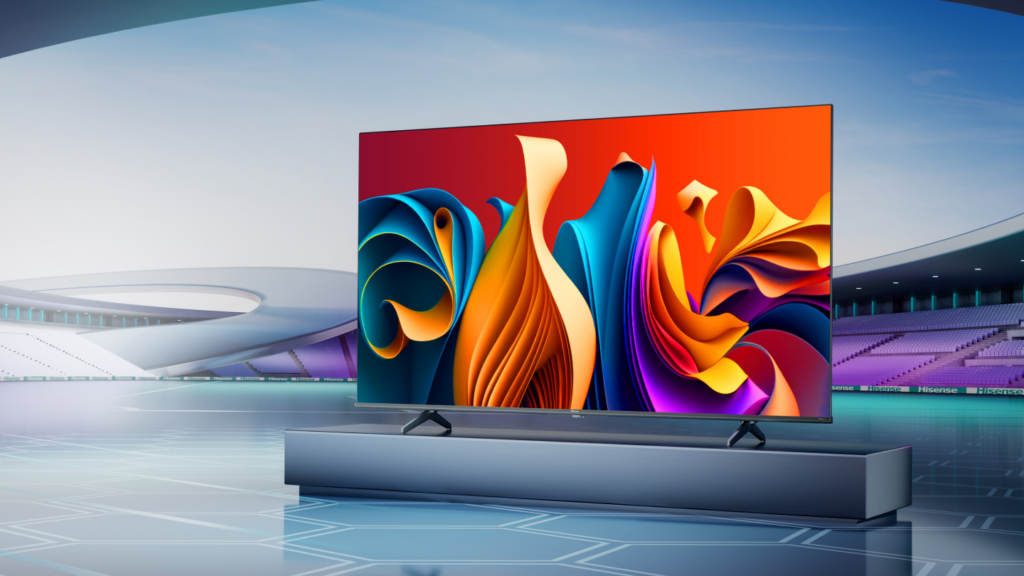
The main takeaway is not that you should only shop one brand. It is that you should compare value. If a TV gives you the screen size, brightness, picture quality, smart features, and performance you want at a better price, it deserves a spot on your shortlist.
Shop Sales, But Do Not Chase the Cheapest TV
Sales can be a great way to save money on a TV, but the cheapest option is not always the best deal. A low price only matters if the TV actually performs well for your needs.
Instead of simply buying whatever is marked down the most, compare the original price, sale price, features, screen size, and reviews. Sometimes, spending a little more gets you a much better picture, smoother smart features, or a larger screen that you will enjoy for years.
The best deal is the TV that still feels good after the excitement of the discount wears off.
Check Ports Before You Buy
Ports are easy to overlook, but they matter. Think about what you plan to connect to your TV: gaming consoles, streaming devices, soundbars, Blu-ray players, cable boxes, or speakers.
Make sure the TV has enough HDMI ports for your setup. If you are a gamer, look into whether the TV supports the features your console can use. If you plan to add a soundbar, check for HDMI ARC or eARC support.
A TV that saves you money upfront but forces you into annoying workarounds later may not be the best value.
Think Long Term
A TV is not something most people replace every year. That is why it makes sense to think beyond today’s price tag.
Will the screen size still feel right in a few years? Does the picture quality feel like a real upgrade? Does the TV have the features you need for streaming, gaming, and sound? Does the brand offer the value you are looking for?
Sometimes, the best bang for your buck means spending enough to get a TV you will be happy with for several years, not just grabbing the lowest-cost option available.
Final Thoughts
Getting the most bang for your buck when buying your next TV comes down to shopping smarter, not simply spending more. Start with the right screen size, focus on picture quality, think about your room lighting, compare useful features, and avoid paying for extras you do not need.
Brands like Hisense show why value matters in today’s TV market. Shoppers can now find TVs with impressive features, bright screens, 4K performance, and smart home theater appeal without automatically jumping to the most expensive names.
The best TV is the one that fits your space, your budget, and the way you actually watch. When you focus on real value instead of hype, your next TV upgrade can feel bigger, smarter, and much more worth the money.